The Seeds of Bitterness: A Cautionary Tale from Genesis 27:41
"¶ And Esau hated Jacob because of the blessing wherewith his father blessed him: and Esau said in his heart, The days of mourning for my father are at hand; then will I slay my brother Jacob." - Genesis 27:41
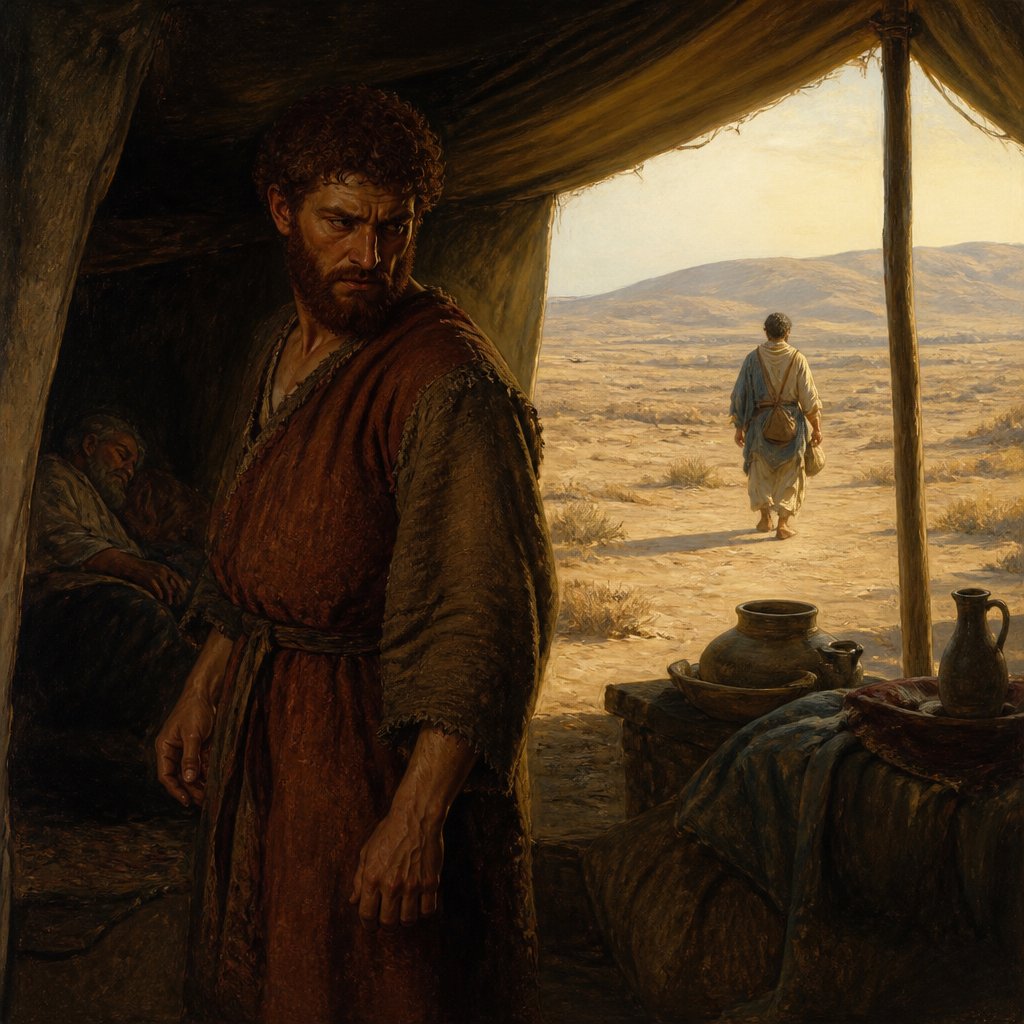
In Genesis 27:41, we come face to face with one of the most poignant and tragic moments in scripture: "And Esau hated Jacob because of the blessing wherewith his father blessed him: and Esau said in his heart, The days of mourning for my father are at hand; then will I slay my brother Jacob." This verse encapsulates the destructive nature of jealousy and hatred, leading to bitter outcomes that affect not just the individuals involved, but also their families and future generations.
At first glance, the story of Jacob and Esau might seem like a tale of sibling rivalry, and on one level it certainly is. However, the depths of their conflict reveal more about human nature, the consequences of our choices, and the importance of reconciliation.
Esau's response to Jacob's deception in securing their father Isaac's blessing is a manifestation of deep-seated emotions. It is vital to recognize what Esau is feeling—a grief that turns to hatred and thoughts of violence. He was wronged; his birthright was taken from him in a moment of irrationality and a moment where he disregarded its value. Now, Jacob, through deceit, has also taken the blessing intended for him, leading Esau's heart to boil over with bitterness.
As we reflect on Esau’s reaction, we must ask ourselves, how often do we allow negative emotions to dictate our actions? Rather than seeking a pathway to healing and forgiveness, we find ourselves dwelling on the hurt and allowing it to fester. In Esau's case, hatred leads to the contemplation of murder, a sin that would forever alter his life and possibly condemn his soul, as God values forgiveness profoundly over vengeance.
The gravity of Esau's hatred highlights another critical aspect of this narrative: the appropriate response to perceived injustice. Esau, in his moment of rage, chooses to harbor bitterness rather than seek clarity or restoration. Instead of confronting Jacob openly, he harbors thoughts of revenge in his heart, which not only darkens his soul but isolates him from the potential for peace. Many times in life, we might be tempted to mirror Esau's response, retreating inward with our grievances.
What Esau did not realize was the weight of his words, a tragic contemplation that when spoken or acted upon can lead to ruin. Hatred and vengeance seldom go unreturned; they spread like wildfire, igniting conflict that escalates into something unimaginable. The internal monologue of Esau serves as a warning for us: we must guard our hearts against thoughts that sow disregard for others. In Proverbs 4:23, we are reminded: "Keep thy heart with all diligence; for out of it are the issues of life."
Moreover, Esau’s journey to hatred is steeped in misunderstanding and manipulation. The complexities of family dynamics play a significant role—Isaac's favoritism towards Esau and Rebekah’s towards Jacob create a rift that catalyzes betrayal. Many of us can relate to family strife—favoritism, betrayal, misunderstandings—which, if left unexamined, can lead to long-lasting rifts and bitterness between loved ones. This story compels us to examine our conduct within our families and circles of influence, advocating for openness and honesty.
As we ponder on this narrative, let us strive to be more like the peacemakers Jesus lauds in Matthew 5:9: "Blessed are the peacemakers: for they shall be called the children of God." Instead of harboring bitterness, let us seek reconciliation wherever possible, just as Jacob and Esau ultimately did later in their lives. Their reunion, fraught with tension but ripe for healing, ultimately shows that no matter how deep the wounds, there is potential for restoration.
In conclusion, Genesis 27:41 serves as a stark reminder of the self-destructive path of hatred and the importance of guarding our hearts. May we learn from Esau's plight to cultivate forgiveness, understanding, and love in the face of conflict. Rather than letting anger dwell in our hearts, may we seek first to reconcile and restore, reflecting the character of Christ in our relationships.
Want to reflect more on Genesis 27:41?
Continue your spiritual journey with Bible Chat — an AI-powered tool for exploring God's Word through conversation. Ask questions, discover connections, and deepen your understanding.
Get Our Apps


Genesis 27:41 Artwork

Genesis 27:41 - "¶ And Esau hated Jacob because of the blessing wherewith his father blessed him: and Esau said in his heart, The days of mourning for my father are at hand; then will I slay my brother Jacob."

Genesis 27:41 KJV And Esau hated Jacob because of the blessing wherewith his father blessed him: and Esau said in his heart, The days of mourning for my father are at hand; then will I slay my brother Jacob.
"¶ And Esau hated Jacob because of the blessing wherewith his father blessed him: and Esau said in his heart, The days of mourning for my father are at hand; then will I slay my brother Jacob." - Genesis 27:41

Genesis 41:27 - "And the seven thin and ill favoured kine that came up after them are seven years; and the seven empty ears blasted with the east wind shall be seven years of famine."

Genesis 41:41 and make pharaoh black

Genesis 24-41

Genesis 41:41-42 focus on signet ring

Job 41:27 - "He esteemeth iron as straw, and brass as rotten wood."

Genesis 41:41 - "And Pharaoh said unto Joseph, See, I have set thee over all the land of Egypt."

Matthew 27:41 - "Likewise also the chief priests mocking him, with the scribes and elders, said,"

Genesis 41:47 - "And in the seven plenteous years the earth brought forth by handfuls."

Genesis 36:41 - "Duke Aholibamah, duke Elah, duke Pinon,"

Genesis 41:53 - "¶ And the seven years of plenteousness, that was in the land of Egypt, were ended."

Genesis 41:37 - "¶ And the thing was good in the eyes of Pharaoh, and in the eyes of all his servants."

Isaiah 41:27 - "The first shall say to Zion, Behold, behold them: and I will give to Jerusalem one that bringeth good tidings."

Genesis 41:31 - "And the plenty shall not be known in the land by reason of that famine following; for it shall be very grievous."

Genesis 41:29 - "Behold, there come seven years of great plenty throughout all the land of Egypt:"

Genesis 41:6 - "And, behold, seven thin ears and blasted with the east wind sprung up after them."
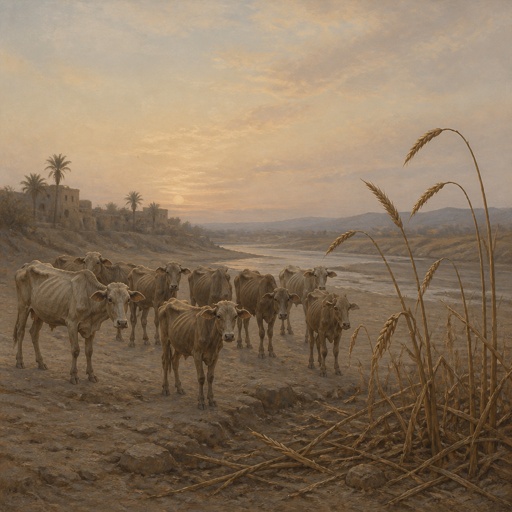
"And the seven thin and ill favoured kine that came up after them are seven years; and the seven empty ears blasted with the east wind shall be seven years of famine." - Genesis 41:27

"He esteemeth iron as straw, and brass as rotten wood." - Job 41:27

Genesis 41:2 - "And, behold, there came up out of the river seven well favoured kine and fatfleshed; and they fed in a meadow."

Genesis 41:26 - "The seven good kine are seven years; and the seven good ears are seven years: the dream is one."

Genesis 41:23 - "And, behold, seven ears, withered, thin, and blasted with the east wind, sprung up after them:"

Genesis 27:5

Genesis 27:32

Genesis 25-27

Genesis 41:20 - "And the lean and the ill favoured kine did eat up the first seven fat kine:"

Genesis 41:16 - "And Joseph answered Pharaoh, saying, It is not in me: God shall give Pharaoh an answer of peace."

Genesis 17-27

Genesis 18-27