Restoring the Wells: A Journey of Faith and Legacy
"And Isaac digged again the wells of water, which they had digged in the days of Abraham his father; for the Philistines had stopped them after the death of Abraham: and he called their names after the names by which his father had called them." - Genesis 26:18
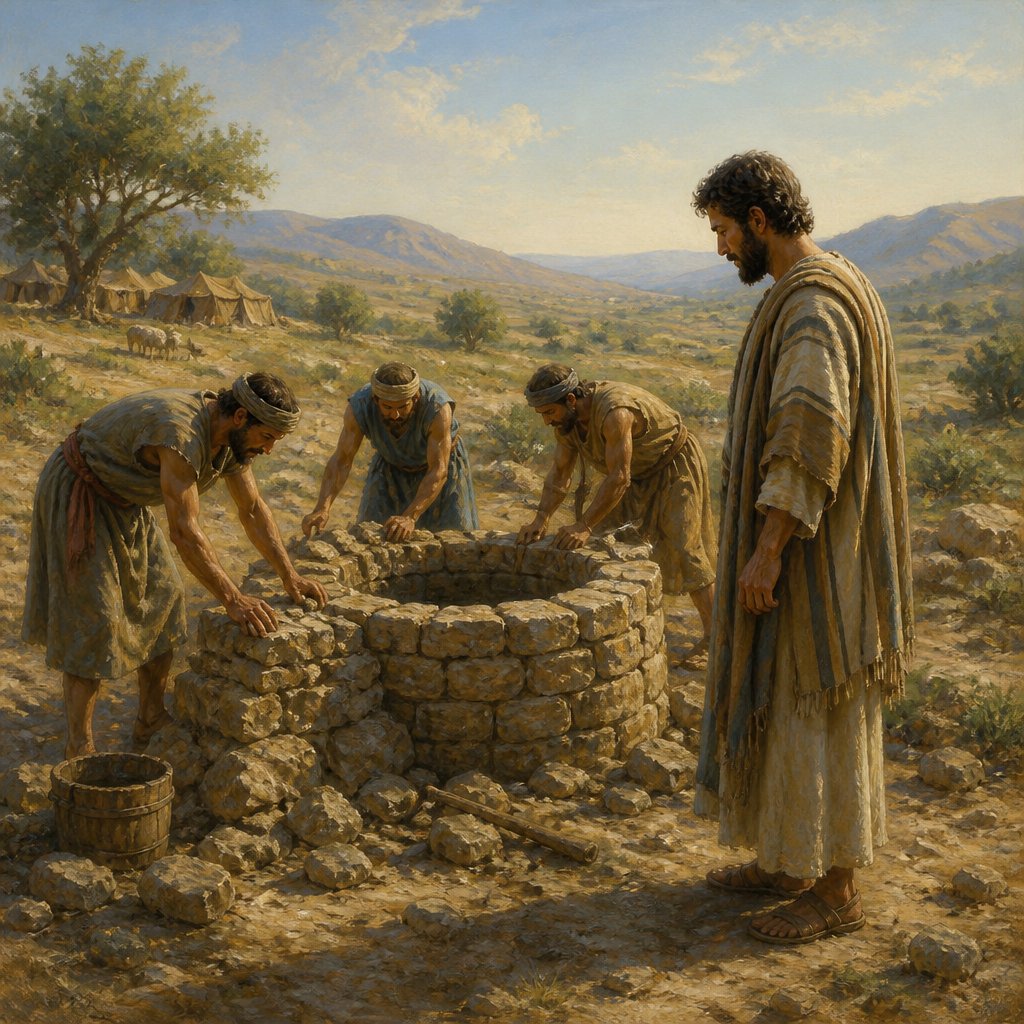
Genesis 26:18 tells us, "And Isaac digged again the wells of water, which they had digged in the days of Abraham his father; for the Philistines had stopped them after the death of Abraham: and he called their names after the names by which his father had called them." This verse encapsulates a profound act of revival and reclamation, signifying not only a physical endeavor but also a spiritual journey of restoration, legacy, and identity.
As we delve into the contextual backdrop of this scripture, we see Isaac, the son of Abraham, standing amidst the remnants of faith established by his father. Abraham, known as the father of faith, had dug wells of water in a land fraught with challenges. These wells were more than mere sources of hydration; they symbolized God’s providence, covenant, and the sustenance needed for life. The Philistines, representing opposition and conflict, filled those wells, disrupting the flow of life and sustenance that was a blessing from God to Abraham's lineage.
Isaac's act of re-digging these wells speaks volumes of his character and faith. After Abraham’s passing, rather than yielding to despair or the actions of his adversaries, he took initiative. This tells us something powerful about our Christian walk: we are often called not merely to maintain what has been given to us but to restore and revive the works of our spiritual fathers and mothers. We live in a society filled with distractions and opposition—which can often cause the spiritual wells in our lives to be filled with debris and neglect. We face Philistines in the form of doubt, worldly pressures, and cultural shifts that seek to diminish our faith. However, like Isaac, we are encouraged to dig again.
Isaac could have easily accepted the state of the wells and moved on. The act of digging again required effort, determination, and faith. It’s similar to our spiritual lives, where the actions of past generations and our own spiritual heritage can sometimes feel buried under the weight of contemporary issues. But in re-establishing these wells, Isaac demonstrated the importance of remembering and honoring his father’s legacy. He diligently worked to call the wells by the same name, reaffirming his connection to Abraham’s heritage. In our journey of faith, we must not forget the spiritual wells that have been dug for us—through the prayers, sacrifices, and teachings of those who have gone before us.
The name of each well represents an aspect of our faith—the lessons learned, struggles overcome, and blessings received. When Isaac called the wells by their original names, he was declaring continuity within his family’s spiritual journey. This is crucial for us today: we must acknowledge and honor our spiritual roots as we cultivate our own relationship with God. We should not shy away from the past but embrace it as part of our growth.
Moreover, re-digging the wells also speaks to restoration—there is something profoundly fulfilling and renewing about going back to the source of life. In our busy lives, we can easily become thirsty for spiritual nourishment. The wells of prayer, study of the Word, and fellowship with other believers may get stopped up by the routine of life or by the noise of culture.
As we dig into these wells, we find fresh waters of grace, hope, and strength to face life's challenges. We can renew our faith by returning to the scriptures that nurtured our spiritual growth or by embracing prayer practices that have practical roots in those who have walked this journey before us.
In conclusion, let us take to heart the lessons from Genesis 26:18. May we find the courage to re-dig the wells that feed our faith and ensure that the living waters of God’s love continue to flow through our lives and the lives of future generations. As we restore these wells, we not only reclaim the blessings of the past but also ensure that they bear fruit for those who will come after us.
Want to reflect more on Genesis 26:18?
Continue your spiritual journey with Bible Chat — an AI-powered tool for exploring God's Word through conversation. Ask questions, discover connections, and deepen your understanding.
Get Our Apps


Genesis 26:18 Artwork

Genesis 26:18

Genesis 26:18 - "And Isaac digged again the wells of water, which they had digged in the days of Abraham his father; for the Philistines had stopped them after the death of Abraham: and he called their names after the names by which his father had called them."
"And Isaac digged again the wells of water, which they had digged in the days of Abraham his father; for the Philistines had stopped them after the death of Abraham: and he called their names after the names by which his father had called them." - Genesis 26:18

Genesis 18-26

Genesis 18:26 - "And the LORD said, If I find in Sodom fifty righteous within the city, then I will spare all the place for their sakes."

Genesis 1:26

Genesis 1:26

Genesis 1:26

Genesis 1:26

"And the LORD said, If I find in Sodom fifty righteous within the city, then I will spare all the place for their sakes." - Genesis 18:26
Genesis 18-18

Genesis 24-26

Genesis 26:35

Genesis 50:26

Genesis 26:25

Genesis 25-26

Genesis 21-26

Genesis 50:26

Genesis 50:26

Genesis 26:29

Genesis 19-26

Genesis 50:26

Genesis 26:9

Genesis 17-26

Joshua 18:26 - "And Mizpeh, and Chephirah, and Mozah,"

Genesis 26 1 famine

Genesis 26:6 - "¶ And Isaac dwelt in Gerar:"

genesis 26:1-35

Genesis 26:26 - "¶ Then Abimelech went to him from Gerar, and Ahuzzath one of his friends, and Phichol the chief captain of his army."

Genesis 42:26 - "And they laded their asses with the corn, and departed thence."