Divine Preference: A Journey from Favoritism to Fulfillment
"And Isaac loved Esau, because he did eat of his venison: but Rebekah loved Jacob." - Genesis 25:28
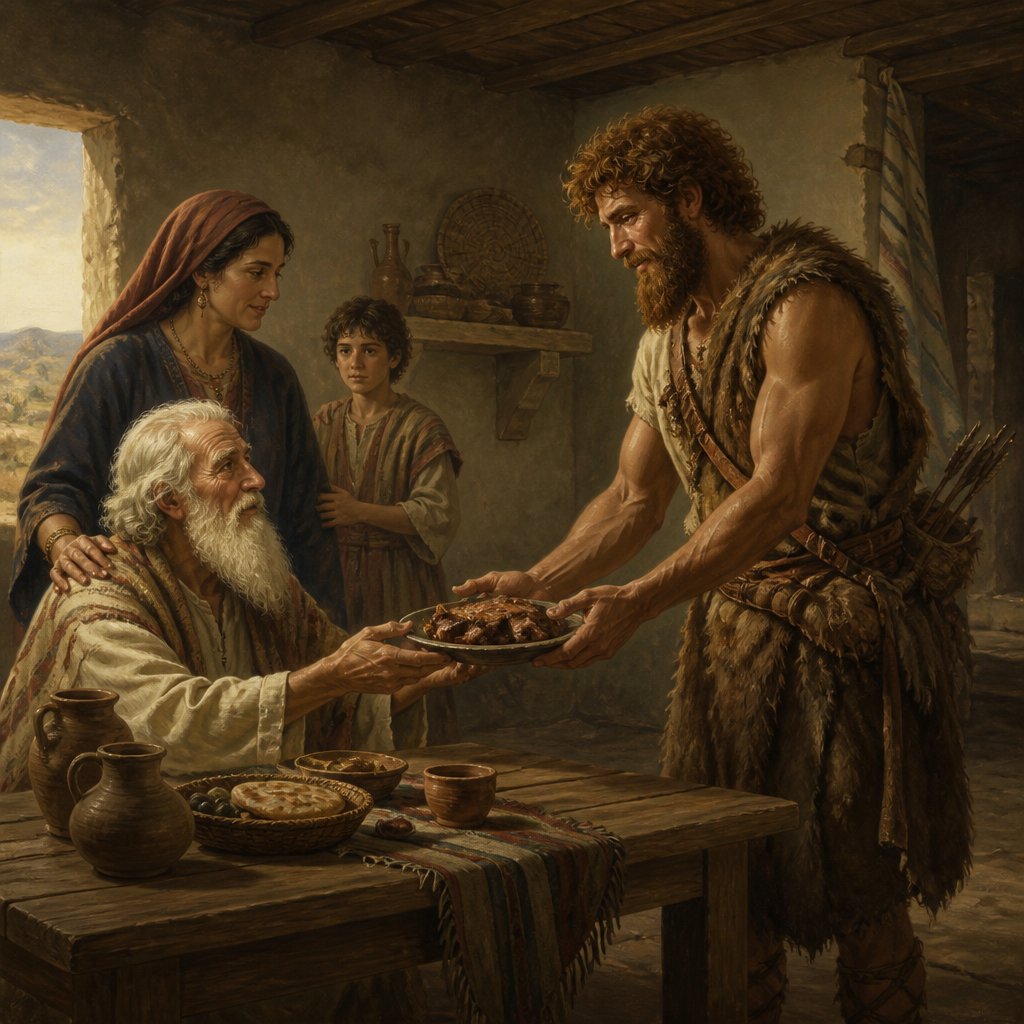
In Genesis 25:28, we encounter a poignant snapshot of a family dynamic that would echo through generations: "And Isaac loved Esau, because he did eat of his venison: but Rebekah loved Jacob." This verse contains profound truths about human affections, divine purposes, and the complexities of familial love that we must grapple with as we seek to understand our place in God's redemptive story.
At first glance, this verse introduces us to a tale of favoritism within a family—a theme that resonates widely in our own lives. Isaac, the father, exhibits a clear preference for his son Esau, drawn to him not only as his firstborn but also because of the sustenance he provides through hunting. In contrast, Rebekah’s affection tilts toward Jacob, who, conversely, embodies the quieter, more introspective demeanor of a homebody. The text suggests that each parent’s love is defined by their distinct inclinations and the traits they value in their sons.
However, this favoritism is not merely a relatable anecdote; rather, it serves as a precursor to larger themes of divine selection and purpose that figures prominently throughout the narrative of God's chosen people. The love Isaac has for Esau is founded on what he can offer: the delicious venison, a reflection of earthly pleasures and perhaps even superficial values. On the other hand, Rebekah’s affection for Jacob signifies a deeper understanding of God’s covenantal promises, which become pivotal as Jacob ultimately plays a vital role in the lineage that would lead to Israel's twelve tribes.
In this family tension, we see that human love can often be myopic—limited by our immediate preferences and perceptions. We are guilty of allowing our emotions to cloud our understanding of God’s greater purpose. Just as Isaac's preference for Esau stems from a basic enjoyment of physical provision, how often do we find ourselves favoring those who bring us immediate comfort or pleasure, forgetting the intricate tapestry God is weaving in our lives?
Furthermore, we must explore the implications of parental favoritism. Parents often model the Father’s love; however, Isaac and Rebekah's bias towards their sons sets the stage for subsequent turmoil. Jacob’s deception to steal Esau’s birthright and blessing, rooted in this favoritism, leads to animosity, division, and ultimately separation. This illustrates how our choices, grounded in earthly affections, can unravel relationships, and bifurcate families, pushing us away from God’s intended unity and peace.
Yet, here arises the profound grace of God. Even within the tensions of favoritism and strife, God’s plan prevails. Romans 9:13 reminds us, "As it is written, Jacob have I loved, but Esau have I hated." This stark dichotomy in God’s emotional stance toward the two men reveals a divine purpose that transcends our human tendencies toward partiality. God chose Jacob, not based on merit or family dynamics, but to fulfill His divine agenda—to bring forth the lineage from which the Messiah would come.
In contemplating Genesis 25:28, let’s be reminded that God's love and plans are not confined to human limitations. While we may allow our earthly affections to dictate our relationships, God calls us to elevate our understanding of love to that which is unconditional and rooted in purpose. He invites us into His grand narrative, where even our failures can be transformed into instruments of His peace and reconciliation if we yield to His Spirit.
In your own walk with God, reflect on areas where favoritism, whether it be towards others or towards the experiences that bring you momentary satisfaction, may be leading you away from recognizing God's overarching plan. Seek to embrace the fullness of God’s love—a love that goes beyond the surface, uniting us in His purpose, fulfilling His promises, and guiding us lovingly despite our human imperfections. May we learn to love as He loves and trust in His perfect will, even amidst life's complexities.
Want to reflect more on Genesis 25:28?
Continue your spiritual journey with Bible Chat — an AI-powered tool for exploring God's Word through conversation. Ask questions, discover connections, and deepen your understanding.
Get Our Apps


Genesis 25:28 Artwork

Genesis 25:28 - "And Isaac loved Esau, because he did eat of his venison: but Rebekah loved Jacob."
"And Isaac loved Esau, because he did eat of his venison: but Rebekah loved Jacob." - Genesis 25:28

Genesis 25:25

Genesis 28-15

Genesis 28-22

Genesis 28-12

Genesis 28-21

Genesis 28-16

Genesis 28-17

Genesis 28:18

Genesis 24:28

Genesis 28:18

Genesis 21:28

Genesis 28-20

Genesis 28-19

Genesis 28-11

Genesis 28-14

Genesis 28-13

Genesis 19-28

Genesis 28:10

Genesis 18-28

Genesis 1:1-25

Genesis 1:1-25

Genesis 1:1-25

Genesis 25-2

Genesis 25-18

Genesis 25-24

Genesis 25-7

Genesis 25-23

Genesis 25-14