The Legacy of Tribes: Finding Identity and Purpose in God's Plan
"And Mishma, and Dumah, and Massa," - Genesis 25:14
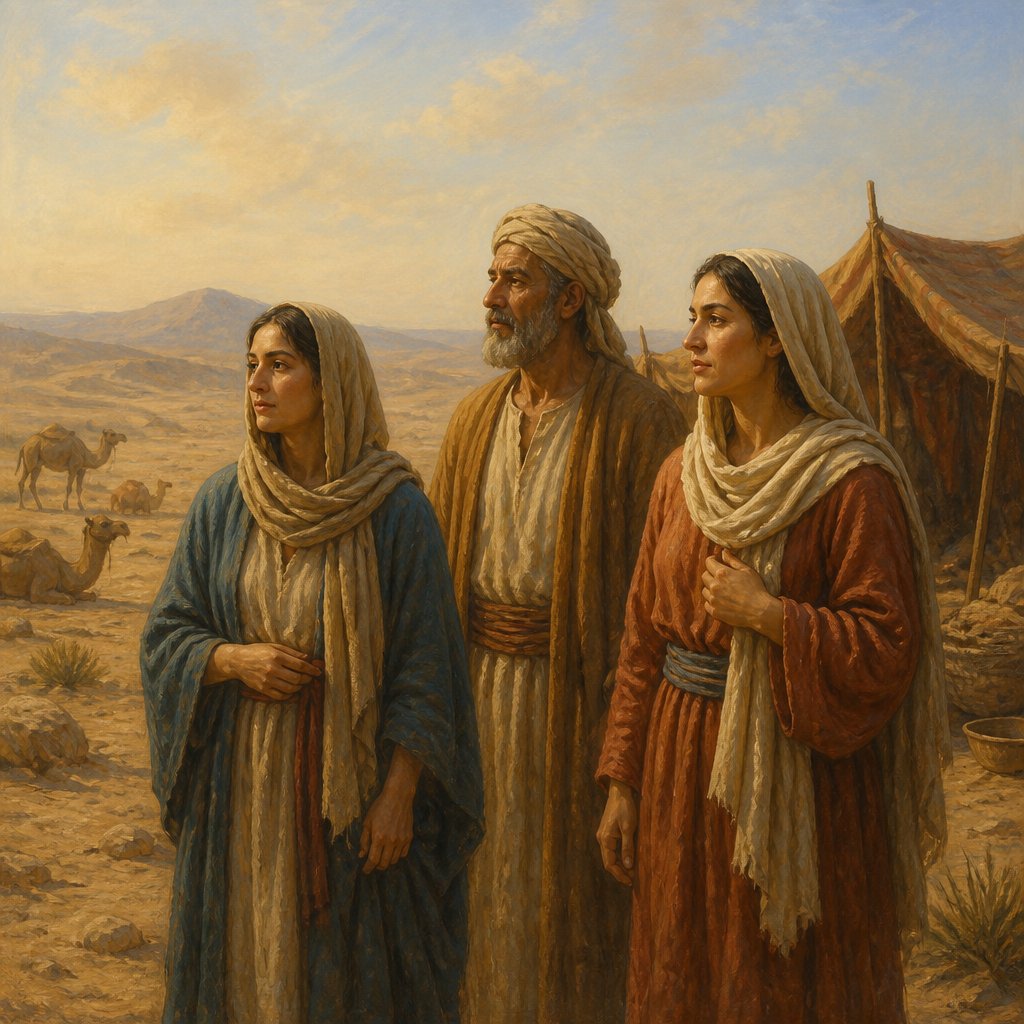
Genesis 25:14 states, "And Mishma, and Dumah, and Massa." At first glance, this verse containing a list of names may seem mundane, but upon closer reflection, it provides an opportunity to delve into the deeper meanings of identity, purpose, and heritage through the lens of divine providence.
The context of this verse is critical. It falls within the genealogical narratives of Abraham's descendants, specifically the children of Ishmael. Each name mentioned is not just a label but a marker of identity and significance within God's unfolding plan. In the biblical narrative, names often carry profound meanings that reflect character traits, prophetic destinies, or align with the circumstances surrounding the individual's life. Therefore, to examine the names Mishma, Dumah, and Massa is to uncover a deeper spiritual insight.
**Mishma**: The name Mishma means "hearing" or "to be heard." In a world filled with noise and distractions, how often do we find ourselves longing to be heard? God assures us in Psalms 34:17, "The righteous cry, and the Lord heareth, and delivereth them out of all their troubles." Mishma encourages us to be confident that our cries for help and our prayers resonate with God. It reminds us of the importance of listening too—listening to God's voice among all the clamor of life. We find assurance that our voice matters, and it is a call to restore our hearing of God's words so we can discern His will for us.
**Dumah**: The name Dumah carries the meaning of "silence" or "stillness." Silence can have a dual nature. It can represent a time of waiting, reflection, and preparation, or it can feel ominous, a void waiting to be filled. In our spiritual journeys, there may be seasons of Dumah where God calls us to pause and be still, as articulated in Psalms 46:10, "Be still, and know that I am God." These moments can be challenging, especially in our fast-paced world, but they are essential for spiritual growth and alignment with God's plans. In silence, we can hear God's whispers and feel His peace wash over us, recalibrating our hearts and minds.
**Massa**: The name Massa means "burden" or "to lift up." This name speaks volumes about the nature of our burdens. It reminds us that God does not leave us to carry our loads alone. In Matthew 11:28-30, Jesus invites us, "Come unto me, all ye that labour and are heavy laden, and I will give you rest." Massa equips us with the truth that our burdens become lighter when we entrust them to the Lord. It represents the promise that in our times of weariness, God is there to lift us, support us, and carry us through.
As we reflect on these names—Mishma, Dumah, and Massa—we uncover a rich tapestry of identity and purpose. Each name underlines the varied dimensions of our spiritual walk. In the midst of our cries, the call for stillness, and the weight of our burdens, we are reminded that, like the descendants of Ishmael, we each have a place in God’s story.
Moreover, these names serve as a reminder of our legacy. Our understanding of who we are in Christ is crucial. We are not only part of a long lineage of faith but carry with us the essence of our identity as beloved children of God. Just as the descendants of Ishmael were included in God’s plans, we too are woven into His narrative.
In closing, let us embrace the lessons found in Genesis 25:14. In our crying, waiting, and burden-bearing, may we continually engage with God’s purpose for our lives, ensuring that we listen keenly, rest deeply, and lean wholly on Him. God has a plan for each of us, and even the smallest of names in the genealogy of our faith holds tremendous significance.
Want to reflect more on Genesis 25:14?
Continue your spiritual journey with Bible Chat — an AI-powered tool for exploring God's Word through conversation. Ask questions, discover connections, and deepen your understanding.
Get Our Apps


Genesis 25:14 Artwork

Genesis 25:14 - "And Mishma, and Dumah, and Massa,"

Genesis 25-14
"And Mishma, and Dumah, and Massa," - Genesis 25:14

Genesis 25:25

Matthew 25: 14-25

Genesis 1:1-25

Genesis 1:1-25

Genesis 1:1-25

Genesis 25-2

Genesis 25-18

Genesis 25-24

Genesis 25-7

Genesis 25-23

Genesis 26:25

Genesis 50:25

Genesis 25:1

Genesis 21:25

Genesis 25-15

Genesis 25-26

Genesis 25-13

Genesis 50:25

Genesis 25-32

Genesis 25-6

Genesis 18-25

Genesis 25-16

Genesis 2:25

Genesis 18:25

Genesis 25-8

Genesis 25-10

Genesis 25-4