A Veil of Reverence: Encountering the Divine Call
"For she had said unto the servant, What man is this that walketh in the field to meet us? And the servant had said, It is my master: therefore she took a vail, and covered herself." - Genesis 24:65
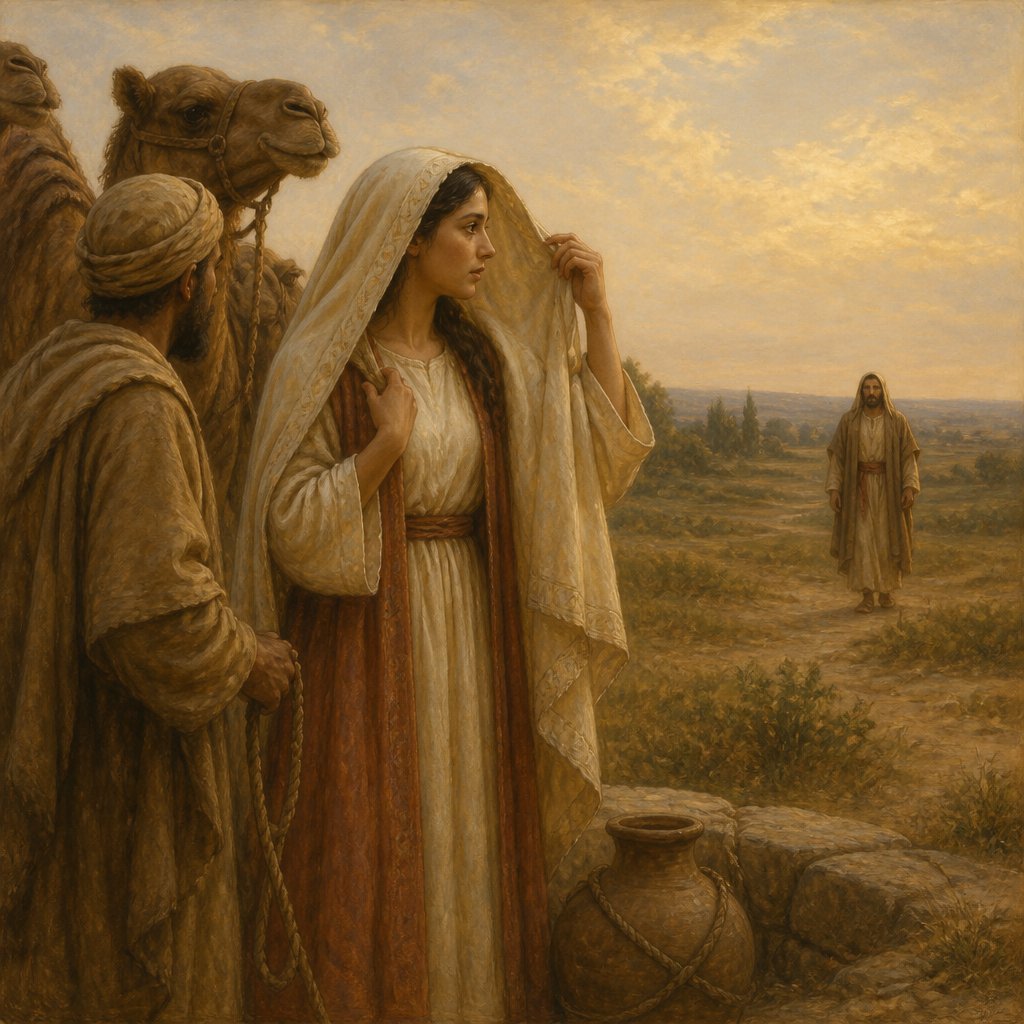
In the story of Genesis 24, we find one of the most beautiful accounts of divine guidance and the unfolding of God’s plan through the life of a young woman named Rebekah. The verse that encapsulates this moment is Genesis 24:65, which reads: "For she had said unto the servant, What man is this that walketh in the field to meet us? And the servant had said, It is my master: therefore she took a vail, and covered herself" (KJV).
To truly appreciate the weight of this verse, we must first delve into the context of the narrative. Abraham, the patriarch, had sent his servant on a monumental mission to find a bride for his son Isaac. This mission was steeped in deep cultural significance, yet above all, it was rooted in the faithfulness of God’s promise to Abraham. As the servant approached the town of Nahor, he sought the Lord for guidance, asking for a sign to identify the right woman.
Upon the arrival of Rebekah, we witness a remarkable intersection of human obedience and divine orchestration. When she encounters the servant, she is unaware of the importance of this meeting; however, her actions would trace a divine lineage that leads to the blessings of Israel. The moment she sees the servant and questions, "What man is this that walketh in the field to meet us?" not only demonstrates her curiosity but her discernment as well. It highlights a theme we often encounter in Scripture – the call to understand the presence of God in unexpected forms.
The response of the servant is equally significant. He did not simply say, "It’s Isaac," but he identified Isaac with the term of respect, "my master." This acknowledgment of authority reveals the depth of commitment the servant had not only to his earthly master Isaac but also to the heavenly Master who orchestrated this mission. In recognizing Isaac as his master, the servant implicitly affirmed the work of God in guiding him. This layered understanding invites us to consider our attitudes towards those whom God places in authority over us. Are we respecting and honoring them as representatives of God’s will in our lives?
Rebekah's reaction is what makes this story profound. Upon learning that she is in the presence of her Master, she takes a veil and covers herself. This action holds rich biblical symbolism that goes beyond mere cultural practice. A veil signifies modesty, reverence, and readiness. In a moment of encountering greatness, she dresses appropriately, acknowledging the weight of the encounter. This illustrates the beautiful humility that should accompany our interactions with God and His plans. Every time we respond to God’s calling, it is like donning a veil of reverence, preparing ourselves for the seriousness and holiness of the task ahead.
As modern believers, we often face moments that call for a similar response. When we sense the Lord leading us or calling us to a new season in our lives, we must approach these moments with the intent to honor Him. Are we eager to veil our hearts and minds in humility before embarking on journeys He sets before us?
Moreover, this verse beckons us to consider the nature of how we encounter those sent by God into our lives. The servant returned with God’s direction, and as Rebekah learned the authority and identity of the man who approached her, she recognized an invitation to partake in something greater than herself. Likewise, the people God sends our way carry messages rooted in divine purpose, and it is essential to approach these individuals with respect and open-heartedness.
In conclusion, Genesis 24:65 is not merely a historical reference; it is a profound lesson on humility, reverence, and readiness for divine encounters. As we journey forward, let us cover ourselves in the veils of humility, acknowledging the weight of our encounters with God and His plan. May we always honor those in authority over us, treasure the divine moments provided, and remain ever sensitive to the movements of the Lord in our lives.
Want to reflect more on Genesis 24:65?
Continue your spiritual journey with Bible Chat — an AI-powered tool for exploring God's Word through conversation. Ask questions, discover connections, and deepen your understanding.
Get Our Apps


Genesis 24:65 Artwork

Genesis 24-65

Genesis 24:65 - "For she had said unto the servant, What man is this that walketh in the field to meet us? And the servant had said, It is my master: therefore she took a vail, and covered herself."
"For she had said unto the servant, What man is this that walketh in the field to meet us? And the servant had said, It is my master: therefore she took a vail, and covered herself." - Genesis 24:65

Isaiah 65:24 - "And it shall come to pass, that before they call, I will answer; and while they are yet speaking, I will hear."
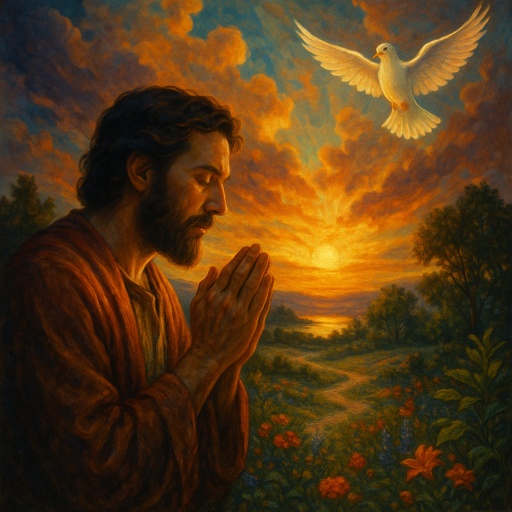
"And it shall come to pass, that before they call, I will answer; and while they are yet speaking, I will hear." - Isaiah 65:24
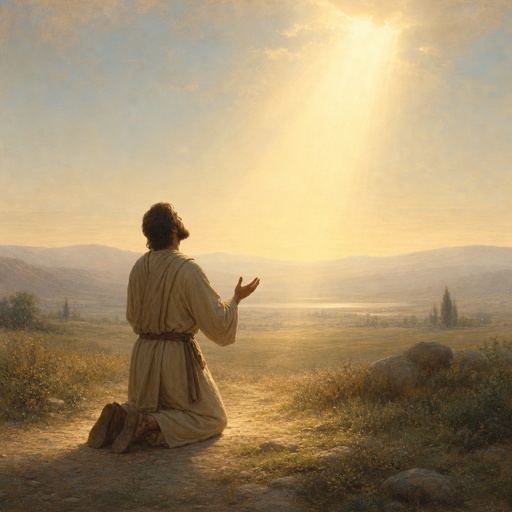
"And it shall come to pass, that before they call, I will answer; and while they are yet speaking, I will hear." - Isaiah 65:24

Genesis 24:24

Genesis 24-21

Genesis 25-24

Genesis 24-41

Genesis 24-61

Genesis 24:36

Genesis 24-54

Genesis 24-50

Genesis 24:60

Genesis 24-62

Genesis 24-7

Genesis 24-26

Genesis 24-55

Genesis 24-59

Genesis 24-56

Genesis 3:24

Genesis 24-53

Genesis 24-63

Genesis 24-66

Genesis 21-24

Genesis 24-15

Genesis 24-48

Genesis 24-43

Genesis 24-16