The Power of Communication and Revelation in Relationships
"And Abimelech said, I wot not who hath done this thing: neither didst thou tell me, neither yet heard I of it, but to day." - Genesis 21:26
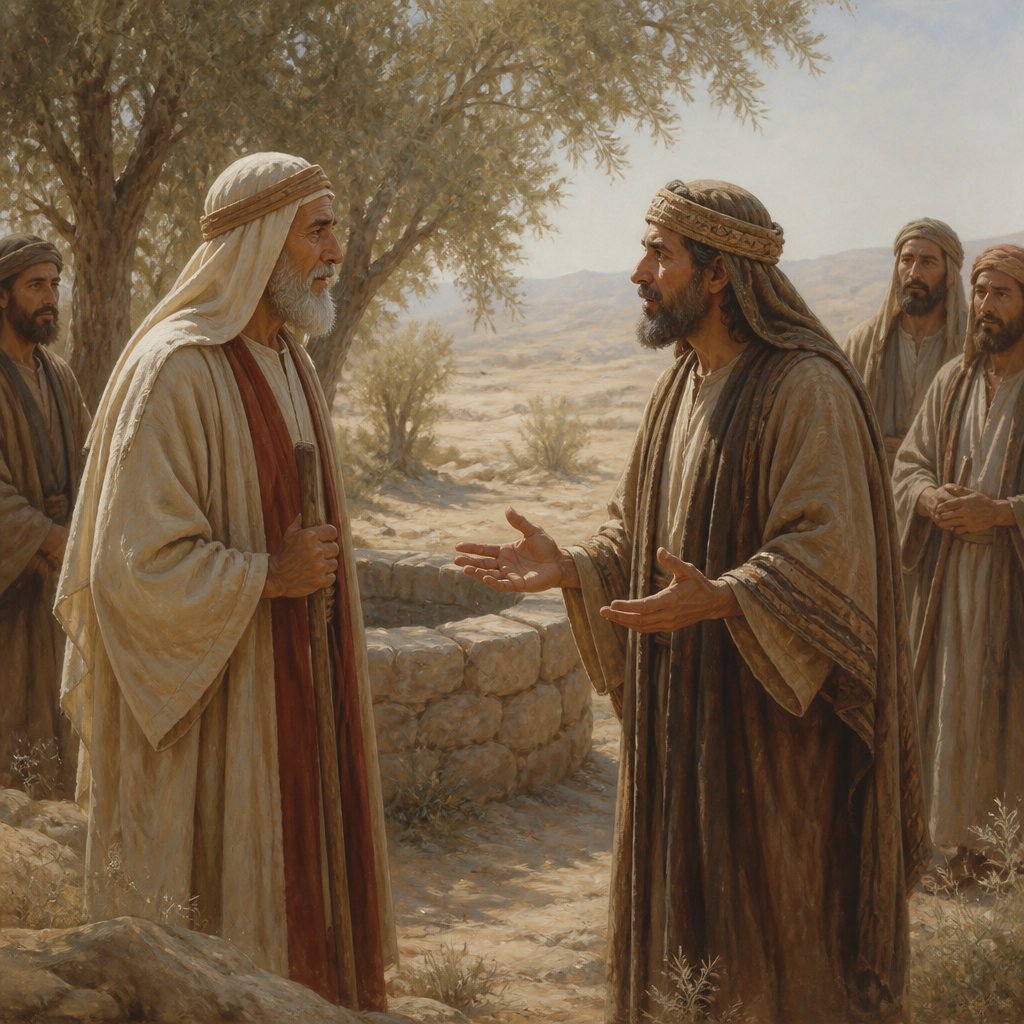
Genesis 21:26 states, "And Abimelech said, I wot not who hath done this thing: neither didst thou tell me, neither yet heard I of it, but today.” This verse encapsulates a moment of revelation and communication, highlighting the power of transparency in our relationships with one another and with God.
To understand the context, we must look back at the relationship between Abraham and Abimelech. The story unfolds when Abraham sojourned in Gerar and out of fear for his safety, deceived Abimelech into thinking that Sarah was his sister rather than his wife. This was a grave misrepresentation that led Abimelech to take Sarah into his household, believing he was acting innocently in accordance with Abraham's words. However, God intervened by bringing a plague upon Abimelech's house, which prompted divine communication about the truth of Sarah's identity and God’s protection over her.
When Abimelech confronts Abraham with the words, "I wot not who hath done this thing," he reflects a sincere ignorance regarding the deception that unfolded. Herein lies a lesson focused on responsibility and accountability. Abimelech, as a leader, was blindsided by information that could have been presented more transparently by Abraham. He had acted in good faith based on the information at hand, revealing how critical it is for us to communicate openly in our dealings with others.
In the context of our lives, we often find ourselves in scenarios where miscommunication can lead to confusion and distrust. Abraham’s silence on the true nature of his relationship with Sarah not only placed her in jeopardy but also cast a shadow over his integrity. In a world where honesty can be overshadowed by fear, we are reminded that our actions have wide-reaching consequences. As Proverbs 12:22 says in the KJV, "Lying lips are abomination to the LORD: but they that deal truly are his delight." This principle resonates throughout Scripture, emphasizing that God values truth and transparency over deceptive actions.
As we ponder Abimelech’s words, we must also reflect on our response to information. His statement, "neither didst thou tell me, neither yet heard I of it," reveals a powerful truth about communication. God requires us to disclose our realities to Him and to one another. Concealing truth breeds darkness; however, revealing the truth, as painful as it might seem, ushers in healing and restoration. Just as in relationships with friends, family, and even in our relationship with God, clear communication fosters deeper connections and builds trust.
Furthermore, the phrase "but today" demonstrates a moment of awakening. Abimelech may not have known before, but upon hearing the truth, he is faced with a choice: to remain in a state of ignorance or to act righteously moving forward. Similarly, each day presents us with opportunities to choose awareness and understanding over ignorance. Psalms 119:105 tells us, "Thy word is a lamp unto my feet, and a light unto my path," encouraging us to seek revelation, not only from the scriptures but also through the wise counsel of those we can trust.
In practical application, let us challenge ourselves this day. Are there areas in our lives where we need to communicate more clearly? Are there truths we are withholding from God or others because of fear or shame? May we remember that just as Abimelech had a moment of revelation, so can we. God calls us into the light of His truth, invites us to share our burdens, and encourages us to live transparently. When we walk in truth, we reflect the nature of Christ who is "the way, the truth, and the life" (John 14:6 KJV).
As we navigate our daily lives, let us lean into open communication, recognizing its power to transform our relationships and ultimately help us live in alignment with God’s purpose.
Want to reflect more on Genesis 21:26?
Continue your spiritual journey with Bible Chat — an AI-powered tool for exploring God's Word through conversation. Ask questions, discover connections, and deepen your understanding.
Get Our Apps


Genesis 21:26 Artwork

Genesis 21-26
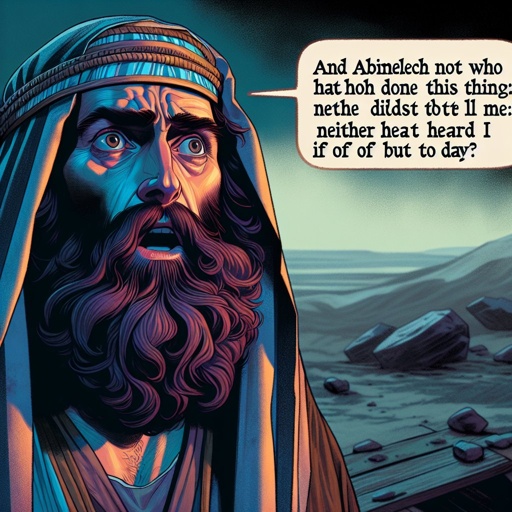
Genesis 21:26 - "And Abimelech said, I wot not who hath done this thing: neither didst thou tell me, neither yet heard I of it, but to day."
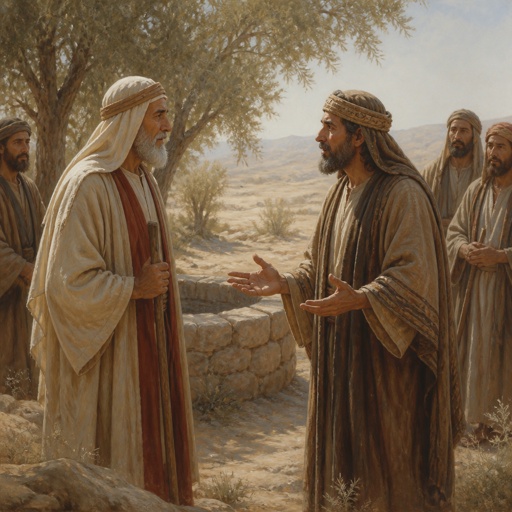
"And Abimelech said, I wot not who hath done this thing: neither didst thou tell me, neither yet heard I of it, but to day." - Genesis 21:26

Genesis 26:21 - "And they digged another well, and strove for that also: and he called the name of it Sitnah."
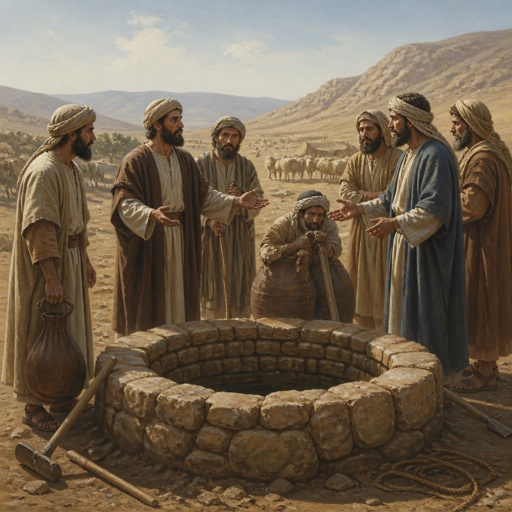
"And they digged another well, and strove for that also: and he called the name of it Sitnah." - Genesis 26:21

Genesis 1:26

Genesis 1:26

Genesis 1:26

Genesis 21-21

Genesis 1:26

Genesis 24-26

Genesis 26:35

Genesis 50:26

Genesis 26:25

Genesis 25-26

Genesis 50:26

Genesis 50:26

Genesis 26:29

Genesis 18-26

Genesis 19-26

Genesis 26:18

Genesis 50:26

Genesis 26:9

Genesis 17-26

Luke 6:21-26

Genesis 1:21

Luke 6:21-26

Genesis 1:21

Genesis 26 1 famine

Genesis 26:6 - "¶ And Isaac dwelt in Gerar:"