The Communion of Abraham: A Model for Our Dialogue with God
"And the LORD went his way, as soon as he had left communing with Abraham: and Abraham returned unto his place." - Genesis 18:33
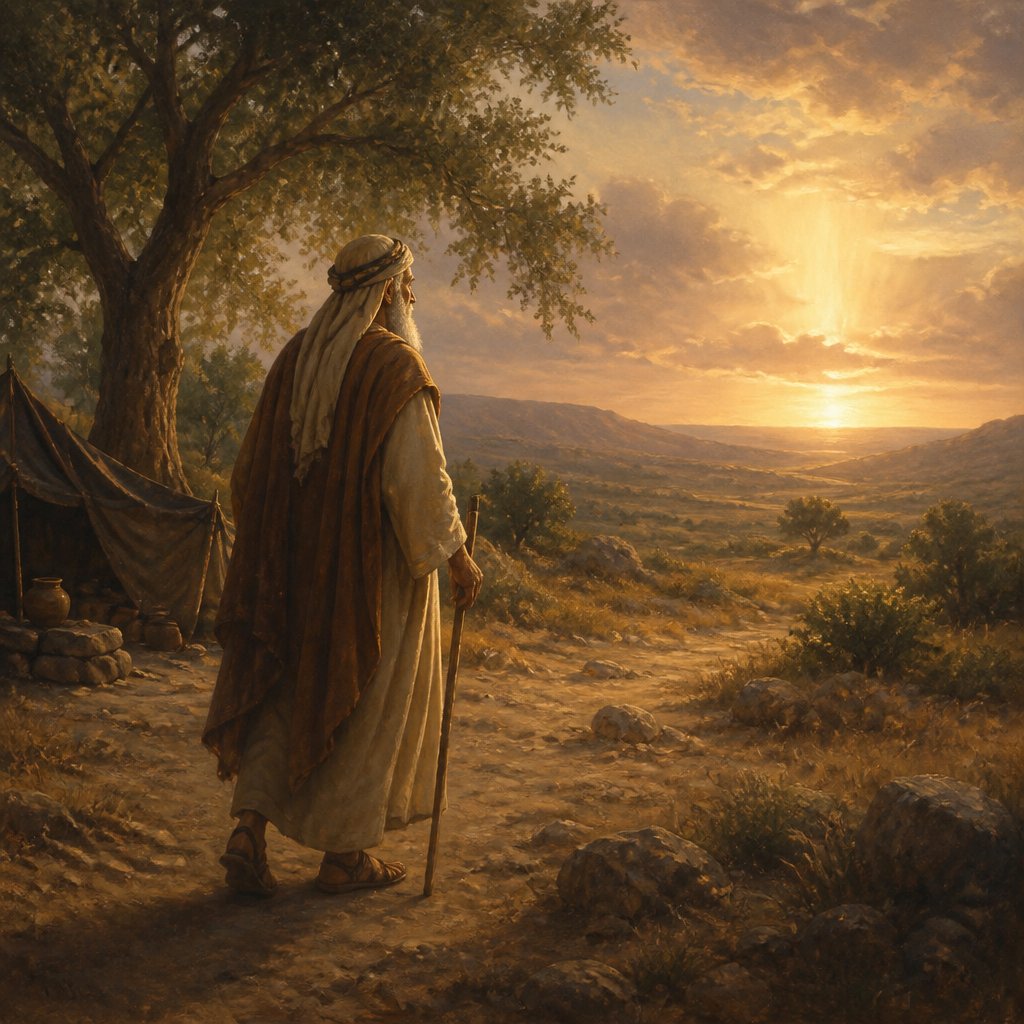
Genesis 18:33 (KJV) states, "And the LORD went his way, as soon as he had left communing with Abraham: and Abraham returned unto his place." This verse is rich with meaning and can transform our understanding of prayer, dialogue with God, and the intimacy we are invited to experience in our relationship with our Creator.
In the chapters leading up to this verse, we witness a profound interaction between Abraham and God. God had come to Abraham in the form of three visitors, one of whom was the Lord. This moment of communion is remarkable, as it illustrates a model of prayer and intercession that is both intimate and bold. Abraham stands before the Lord, engaging in a conversation, not merely offering rote prayers or requests, but dialoguing about the fate of Sodom and Gomorrah. His exchange is not one of mere supplication; it is a negotiation rooted in compassion for the righteous who might be found in the wicked cities.
This passage reveals that prayer is more than a one-way street. It is meant to be a dynamic conversation where both parties—God and man—engage deeply. Abraham’s boldness to challenge God’s impending judgment demonstrates a faith that seeks understanding. "Peradventure there be fifty righteous within the city: wilt thou also destroy and not spare the place for the fifty righteous that are therein?" he pleads (Genesis 18:24). It is this confidence and willingness to approach God with the burdens on his heart that should inspire us every time we pray.
As God leaves this encounter, we see a pivotal shift. The KJV phrase, "the LORD went his way," signifies the completion of this divine communion. God’s departure is not a dismissal but an acknowledgment of their interaction. Abraham, following this moment, returns to his place—not merely a physical return home, but perhaps a return to his state of reflection and responsibility. When we commune with God, it often leaves us back where we started, yet transformed by the very process of prayer itself.
Through Abraham’s example, we are called to approach God with our concerns, doubts, and desires. Our prayers can be a blend of reverence and candidness. Just as Abraham pleaded, we too can intercede for others, bringing their names and situations before God. Our prayers might lead us to confront difficult truths, wrestling with questions such as, "How can a good God allow suffering?" or "What is the purpose behind this challenge I face?" We shouldn't shy away from these dialogues; rather, we should embrace them as pathways to deeper understanding and communion with our Creator.
Moreover, the conclusion of this interaction highlights a profound truth: the divine plan continues whether or not we partake in it. God moves on from His conversation with Abraham, signifying that while He values our dialogue, His purpose will be fulfilled in accordance to His will. This serves as a reminder of our role; we participate in God's story, but the author of this tale is ultimately the Lord.
Upon returning to his place, Abraham likely reflected on the weight of the dialogue he had just shared with God. It is in this space of contemplation that we, too, are called to live—between our conversations with God and our daily lives. Each time we commune with Him, we gain insights that can shape our character and actions. This is where transformation occurs—when we carry the heart of God into our daily dealings.
In conclusion, let us embrace the model of prayer exhibited by Abraham. We are invited into a relational dialogue with God, where we can voice our concerns with authenticity and engage with Divine wisdom. As we prepare to return to our places after prayer, may we do so with renewed purpose, shaped by the love and guidance we receive in communion with the Almighty.
Want to reflect more on Genesis 18:33?
Continue your spiritual journey with Bible Chat — an AI-powered tool for exploring God's Word through conversation. Ask questions, discover connections, and deepen your understanding.
Get Our Apps


Genesis 18:33 Artwork

Genesis 18-33

Genesis 18:33 - "And the LORD went his way, as soon as he had left communing with Abraham: and Abraham returned unto his place."
"And the LORD went his way, as soon as he had left communing with Abraham: and Abraham returned unto his place." - Genesis 18:33

Genesis 33:18 - "¶ And Jacob came to Shalem, a city of Shechem, which is in the land of Canaan, when he came from Padan-aram; and pitched his tent before the city."

Genesis 19-33

Genesis 21-33

Genesis 24-33

Genesis 25-33

Numbers 33:18 - "And they departed from Hazeroth, and pitched in Rithmah."

Genesis 33:6 - "Then the handmaidens came near, they and their children, and they bowed themselves."
Genesis 18-18

Genesis 33:20 - "And he erected there an altar, and called it El-elohe-Israel."

Genesis 33:16 - "¶ So Esau returned that day on his way unto Seir."

Genesis 36:33 - "And Bela died, and Jobab the son of Zerah of Bozrah reigned in his stead."

Exodus 33:18 - "And he said, I beseech thee, shew me thy glory."

Genesis 21:33 - "¶ And Abraham planted a grove in Beer-sheba, and called there on the name of the LORD, the everlasting God."
"¶ And Jacob came to Shalem, a city of Shechem, which is in the land of Canaan, when he came from Padan-aram; and pitched his tent before the city." - Genesis 33:18

Genesis 26:33 - "And he called it Shebah: therefore the name of the city is Beer-sheba unto this day."

Deuteronomy 33:18 - "¶ And of Zebulun he said, Rejoice, Zebulun, in thy going out; and, Issachar, in thy tents."

"And they departed from Hazeroth, and pitched in Rithmah." - Numbers 33:18

Psalms 33:18 - "Behold, the eye of the LORD is upon them that fear him, upon them that hope in his mercy;"

Luke 18:33 - "And they shall scourge him, and put him to death: and the third day he shall rise again."

Job 33:18 - "He keepeth back his soul from the pit, and his life from perishing by the sword."

Genesis 33:9 - "And Esau said, I have enough, my brother; keep that thou hast unto thyself."
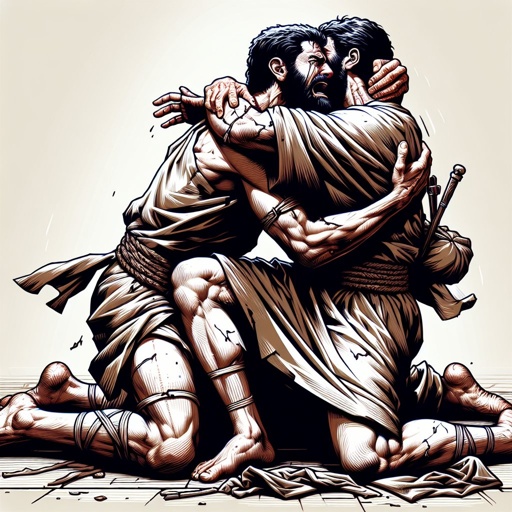
Genesis 33:4 - "And Esau ran to meet him, and embraced him, and fell on his neck, and kissed him: and they wept."

Genesis 33:2 - "And he put the handmaids and their children foremost, and Leah and her children after, and Rachel and Joseph hindermost."

Matthew 18:33 - "Shouldest not thou also have had compassion on thy fellowservant, even as I had pity on thee?"

2 Kings 18:33 - "Hath any of the gods of the nations delivered at all his land out of the hand of the king of Assyria?"

Ezekiel 33:18 - "When the righteous turneth from his righteousness, and committeth iniquity, he shall even die thereby."

Psalms 18:33 - "He maketh my feet like hinds' feet, and setteth me upon my high places."