The Complex Nature of Relationships: Finding Grace in Hagar's Story
"¶ And he went in unto Hagar, and she conceived: and when she saw that she had conceived, her mistress was despised in her eyes." - Genesis 16:4
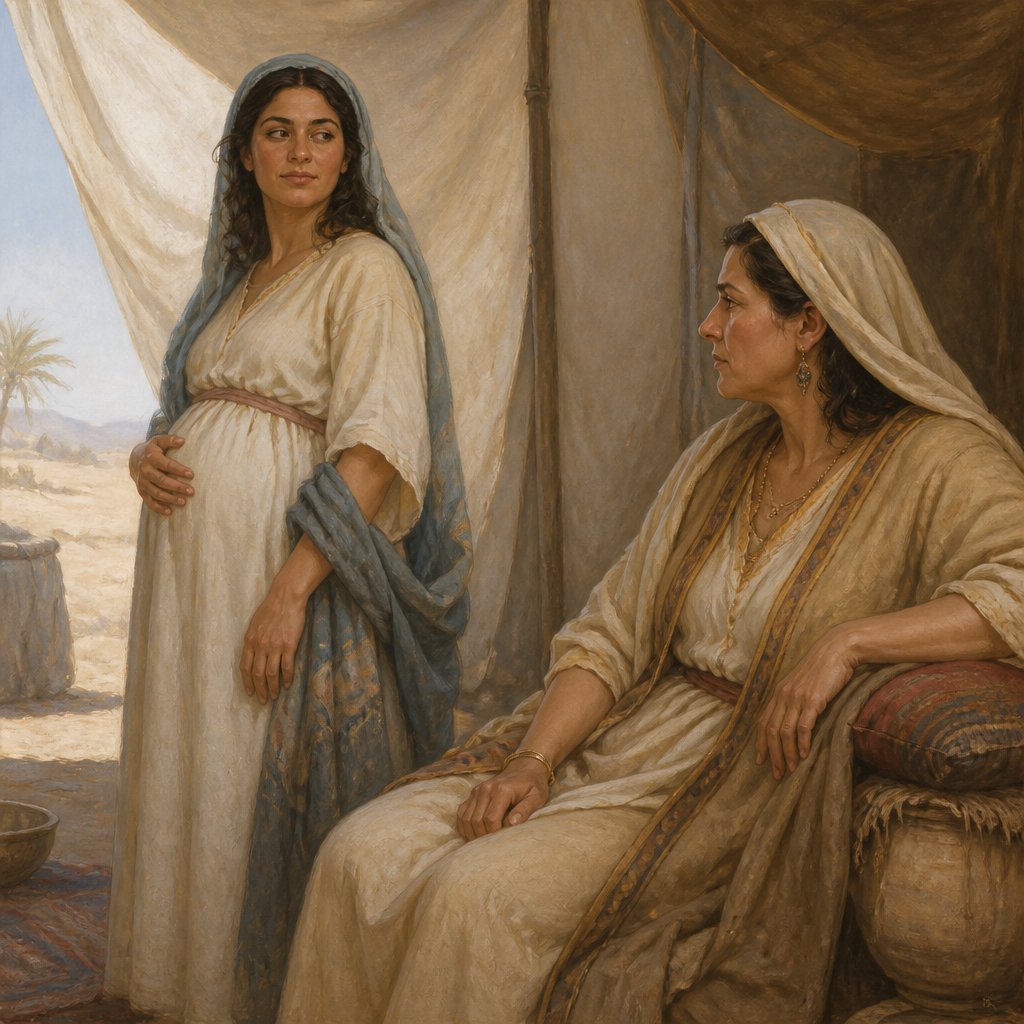
The story of Hagar in Genesis 16:4 is a profound narrative that unveils the complexity of human relationships, the consequences of our decisions, and the grace of God that transcends our darkest moments. The verse reads, "And he went in unto Hagar, and she conceived: and when she saw that she had conceived, her mistress was despised in her eyes" (KJV). This passage may seem straightforward, yet it opens a window into the deep-seated emotions, struggles, and the societal norms of the time, ultimately leading us to a reflection on grace, mercy, and God's unwavering presence.
To understand this verse fully, we must revisit the context. Abraham and Sarah, who were promised descendants akin to the stars in the sky, found themselves waiting for years without a child. The pressure of unmet expectations and societal norms gnawed at Sarah's spirit as she grew older. In her desperation, Sarah offered her maidservant Hagar to Abraham to bear him a child, an arrangement not uncommon in ancient times but fraught with emotional turmoil and moral implications.
When Hagar conceived, her status shifted dramatically. She transformed from a servant to a bearer of the next generation, and as the verse indicates, her perception of Sarah changed. The text states that she "despised" her mistress, highlighting a shift from inferiority to perceived superiority based on her ability to conceive. This dynamic illustrates the fragility of human pride and the ease with which relationships can become strained under the weight of jealousy and comparison. The narrative reminds us that our desires, when placed in human hands rather than God’s, can lead to painful outcomes.
Hagar's experience points toward broader themes of conflict and identity. As the bearer of a child, her worth was momentarily elevated, and yet, it bred animosity. In our lives, we may find ourselves in similar situations where the very blessings we receive can become sources of division and strife. Perhaps promotions at work create rifts among colleagues, or personal achievements evoke jealousy. These scenarios remind us of the fragile foundations upon which our human relationships often rest.
However, the greater narrative of Hagar extends beyond her initial conflict with Sarah. As tension escalated, Sarah mistreated Hagar, who ultimately fled into the wilderness. There, it was God who met her; He saw her affliction and spoke to her directly. "The Angel of the Lord found her by a fountain of water in the wilderness" (Genesis 16:7, KJV). This encounter signifies something profound: in our lowest points, God sees us, hears us, and provides direction. Hagar, a woman often overlooked and marginalized, becomes significant in God's plan, symbolizing how God values the marginalized and the despised.
Hagar's name means "flight" and signifies a new beginning to her life. Despite her painful circumstances, God offered her hope and a promise concerning her son, Ishmael, indicating that he too would be the father of a great nation. This divine interaction illustrates God's ability to redeem even the most difficult situations. As Hagar returned to Abraham and Sarah, she did so not just as a servant but as a mother bearing a purpose and promise bestowed by God.
Inflected in Hagar's story is the message of hope and reconciliation. We are reminded that grace is available to those who feel cast aside or undeserving. Amidst the chaos of our choices—whether born from fear, impatience, or societal pressures—God desires to work within our narratives to foster His purpose and bring restoration.
As we reflect on Genesis 16:4, let us remember to check our hearts when we feel pride swelling within us. Instead of despising those who seem to have what we desire, may we extend grace and seek God’s direction. In our struggles, like those of Hagar, may we find solace in knowing that our stories are woven into God's grand tapestry of love, redemption, and purpose.
Want to reflect more on Genesis 16:4?
Continue your spiritual journey with Bible Chat — an AI-powered tool for exploring God's Word through conversation. Ask questions, discover connections, and deepen your understanding.
Get Our Apps


Genesis 16:4 Artwork

Genesis 16:4

Genesis 16:4 - "¶ And he went in unto Hagar, and she conceived: and when she saw that she had conceived, her mistress was despised in her eyes."
"¶ And he went in unto Hagar, and she conceived: and when she saw that she had conceived, her mistress was despised in her eyes." - Genesis 16:4

Genesis 4:16 - "¶ And Cain went out from the presence of the LORD, and dwelt in the land of Nod, on the east of Eden."

Genesis 16:16
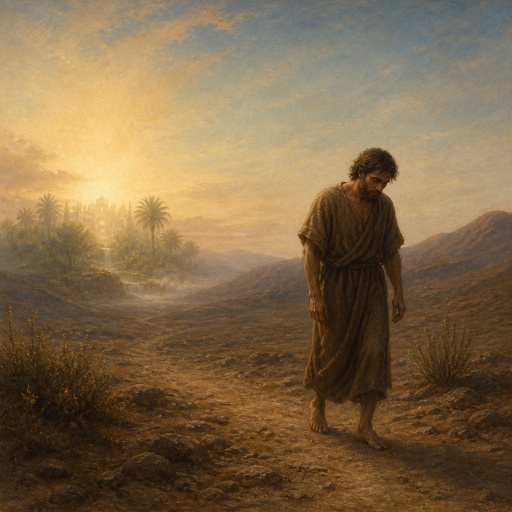
"¶ And Cain went out from the presence of the LORD, and dwelt in the land of Nod, on the east of Eden." - Genesis 4:16

Genesis 16:3

Genesis 16:14

Genesis 16:6

Genesis 16:2

Genesis 1:16

Genesis 15:16

Genesis 16:1

Genesis 18-16

Genesis 25-16

Genesis 16:8

Genesis 16:12

Genesis 17-16

Genesis 3:16

Genesis 16:11

Genesis 16:7

Genesis 20-16

Genesis 28-16

Genesis 16:5

Genesis 16:9

Genesis 23-16

Genesis 22-16

Genesis 16:15

Genesis 16:3

Genesis 24-16