The Legacy of Ishmael: Embracing Divine Purpose in the Midst of Trial
"¶ And Hagar bare Abram a son: and Abram called his son's name, which Hagar bare, Ishmael." - Genesis 16:15
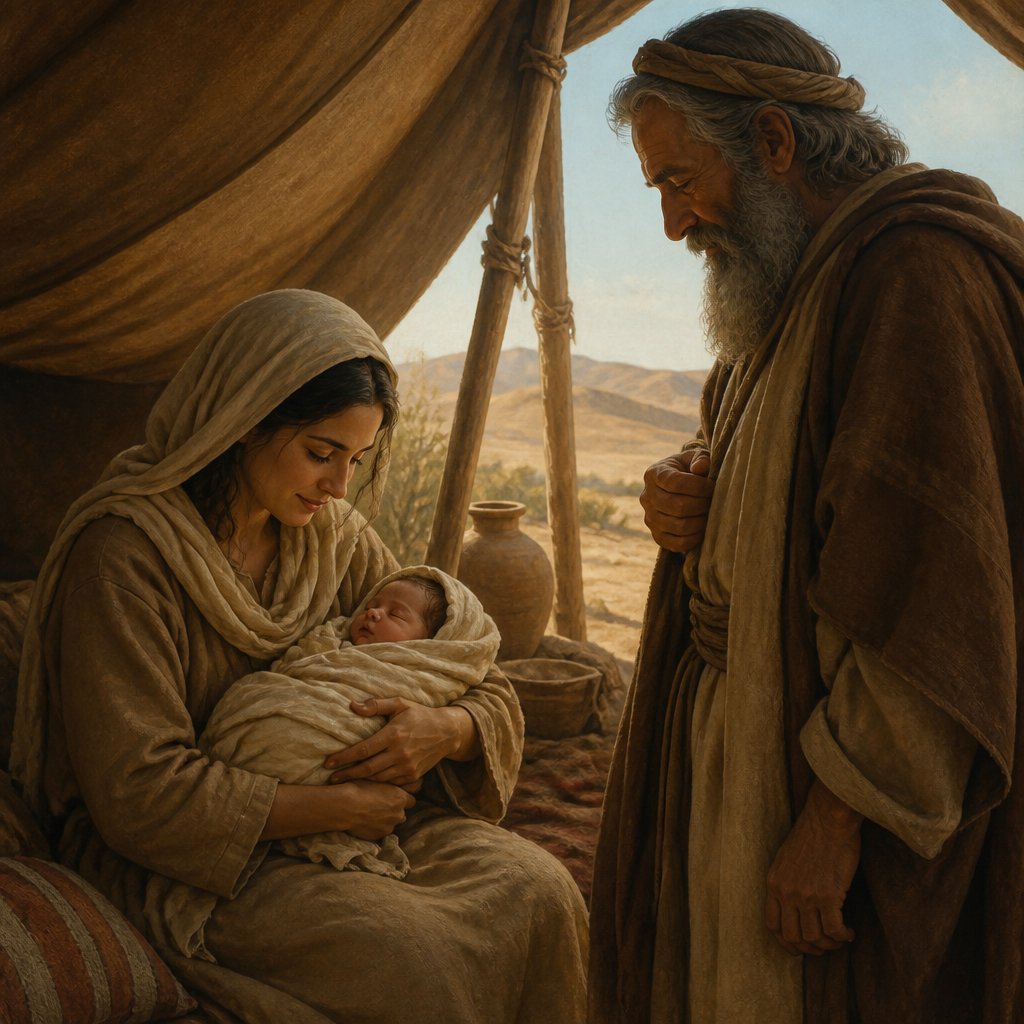
When we delve into the story of Hagar and the birth of Ishmael, as chronicled in Genesis 16:15, we encounter a narrative steeped in complexity, human frailty, and divine sovereignty. The King James Version captures the pivotal moment with simplicity: "And Hagar bare Abram a son: and Abram called his son's name, which Hagar bare, Ishmael."
This verse, although brief, holds a wealth of meaning that invites us to reflect upon the circumstances surrounding Hagar, Abram, and the significance of a name.
Hagar, an Egyptian maidservant, found herself in a challenging position. She was brought into the picture as Sarai (later Sarah) struggled with the pain of barrenness. In her desperation to fulfill God's promise of descendants, Sarai suggested that her husband Abram bear a child with Hagar, leading to the birth of Ishmael. Hagar's situation is a poignant reminder of how often we might find ourselves in the midst of plans and decisions that are made out of human desperation rather than divine direction. How frequently do we, despite our best intentions, step outside of God's timing and methods in search of a solution?
In Hagar's story, we see a reflection of the struggles faced by many in their faith journey. Hagar was caught in the middle of a promise that was not hers but impacted her deeply. She had no power over her situation, and one could imagine her feelings of confusion, anger, and doubts. Yet, through Hagar, God granted a legacy of hope and promise. The name "Ishmael" means "God hears," which is deeply significant. It reflects God's recognition of Hagar's plight, affirming that He sees and hears the cries of the marginalized and the oppressed.
Ishmael's birth introduces us to the concept of divine purpose fulfilled even in the midst of circumstances that appear chaotic or misguided. God’s perspective is not limited to our understanding of time and situation. Hagar’s experiences remind us that even when our lives veer off the expected path, God’s purposes can still emerge triumphantly. When we feel invisible, isolated, or in desperate need, we must remember that God hears us. In our despair, we are not abandoned; instead, we may be stepping into a chapter of God's plan that we could never have anticipated.
As the narrative unfolds, we realize that Ishmael and his descendants, despite not being the fulfillment of God’s covenant with Abram, are still the recipients of God’s promise. In Genesis 21:18, we see God's care for Ishmael: "Arise, lift up the lad, and hold him in thine hand; for I will make him a great nation." Both Ishmael and Isaac, the rightful heir of the covenant, moved forward with God's blessing. This illustrates the depth of God's grace and His ability to weave together stories that seem disparate into a grand design.
Furthermore, Ishmael's story challenges how we view success, purpose, and blessing. Sometimes, blessings come in forms we don’t expect. Ishmael's life did not mirror that of Isaac's, but he was still blessed and destined for greatness. God’s mercy extends beyond human frailty, and His plans will accomplish their purpose regardless of our mistakes.
As we meditate on Genesis 16:15, we are invited to recognize our roles in God’s unfolding narrative. When faced with trials, let us call upon the name of the Lord, who sees us in our struggles, who hears our cries, and who is more than capable of turning our pain into purpose. May we learn from Hagar the importance of trusting God's plan, even when the path is unclear, and remember that every life bears significance in God’s eyes.
Want to reflect more on Genesis 16:15?
Continue your spiritual journey with Bible Chat — an AI-powered tool for exploring God's Word through conversation. Ask questions, discover connections, and deepen your understanding.
Get Our Apps


Genesis 16:15 Artwork

Genesis 16:15

Genesis 16:15 - "¶ And Hagar bare Abram a son: and Abram called his son's name, which Hagar bare, Ishmael."
"¶ And Hagar bare Abram a son: and Abram called his son's name, which Hagar bare, Ishmael." - Genesis 16:15

Genesis 15:16

Genesis 15:16 - "But in the fourth generation they shall come hither again: for the iniquity of the Amorites is not yet full."
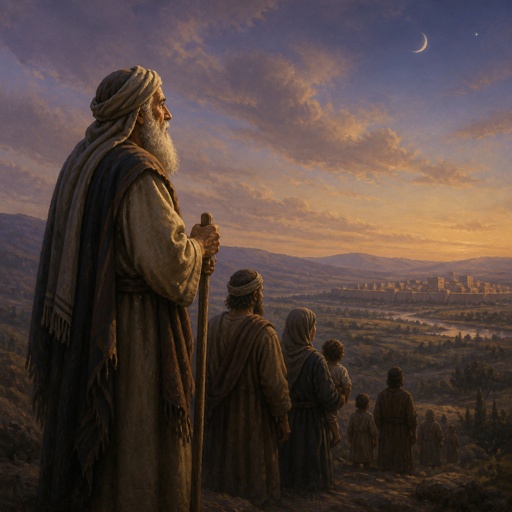
"But in the fourth generation they shall come hither again: for the iniquity of the Amorites is not yet full." - Genesis 15:16

Genesis 16:16

Genesis 15:15

Genesis 16:3

Genesis 16:14

Genesis 16:6

Genesis 16:2

Genesis 1:16

Genesis 16:1

Genesis 18-16

Genesis 25-16

Genesis 16:8

Genesis 16:12

Genesis 17-16

Genesis 3:16

Genesis 16:11

Genesis 16:4

Genesis 16:7

Genesis 28-15

Genesis 17-15

Genesis 15:20

Genesis 15:10

Genesis 22:15

Genesis 15:11

Genesis 20-15