Altar of Worship: Finding God in Our Journeys
"And he removed from thence unto a mountain on the east of Beth-el, and pitched his tent, having Beth-el on the west, and Hai on the east: and there he builded an altar unto the LORD, and called upon the name of the LORD." - Genesis 12:8
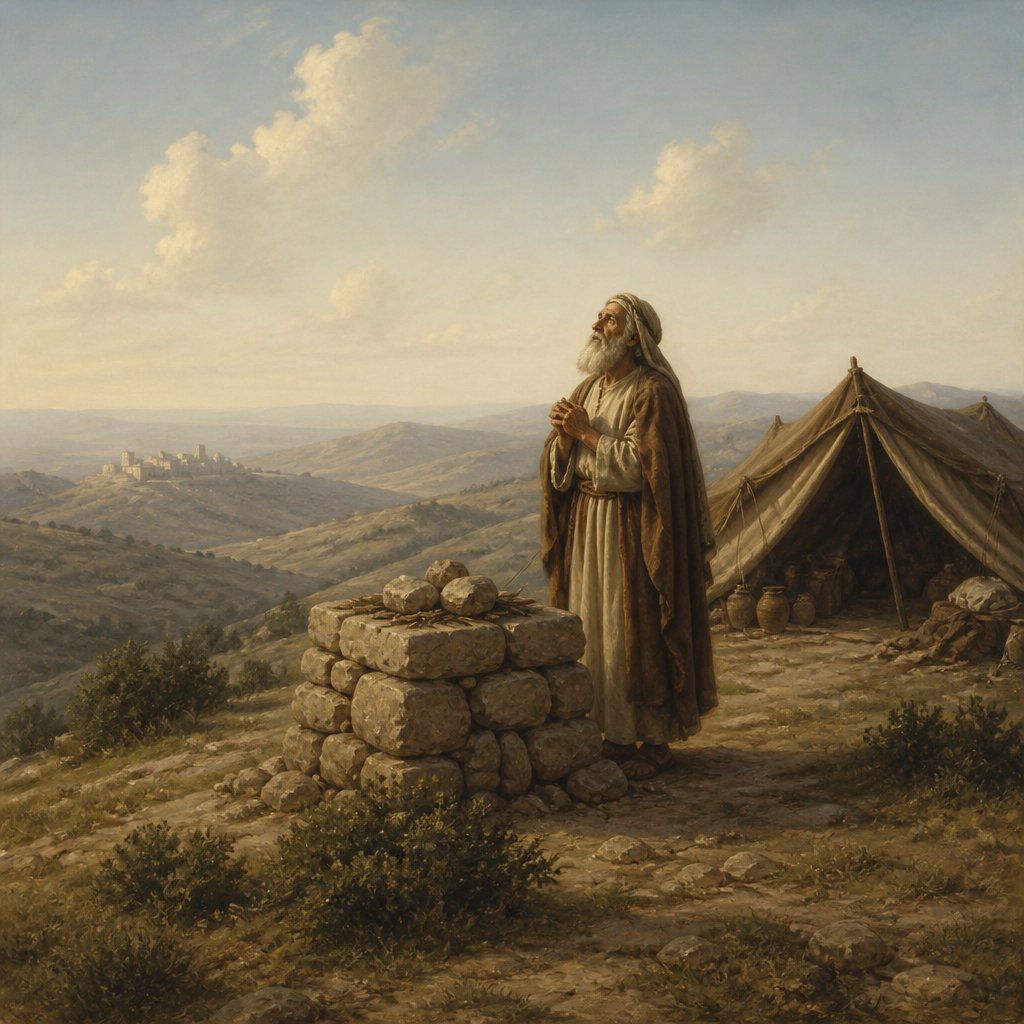
In Genesis 12:8, we find a profound moment in the journey of Abraham, who at that time was still known as Abram. The verse states, "And he removed from thence unto a mountain on the east of Beth-el, and pitched his tent, having Beth-el on the west, and Hai on the east: and there he builded an altar unto the LORD, and called upon the name of the LORD." This passage provides an essential insight into the nature of faith and worship, and it prompts us to consider how we respond to God in our own lives.
First, let's reflect on the geographical significance of the locations mentioned: Beth-el and Hai. Beth-el, meaning 'House of God,' became a pivotal site in Abraham's spiritual journey. It signifies a place of communion with the Divine. In contrast, Hai represents a more complex narrative; it was a city that brought about defeat for the Israelites later in their journey. The positioning of Abraham between these two places—one that signifies God's promise and one that alludes to human failure—underscores the balance of faith we often navigate in our lives.
Abraham's act of moving "from thence unto a mountain" illustrates a recurring theme in Scripture: the importance of altars in drawing near to God. In biblical terms, an altar is not merely a physical structure; rather, it symbolizes a heartfelt commitment and an acknowledgment of God's sovereignty. Each time we come before God, we create a space, whether literal or metaphorical, to encounter Him. Abraham's journey illustrates the need for intentionality in worship, guiding us to cultivate settings in our lives that honor God and allow for communion.
Furthermore, after pitching his tent, Abraham built an altar and "called upon the name of the LORD." This action signifies a deliberate choice to engage with God. Calling upon the name of the LORD indicates seeking His presence, interceding in prayer, and expressing dependency on Him. It reminds us that worshiping God is not a passive act but rather an active pursuit, an ongoing dialogue with the Almighty.
As modern-day disciples, we often find ourselves in a spiritual metaphorical wilderness, torn between our 'Beth-el' and 'Hai.' Like Abraham, we should seek to build our altars—spiritual corners in our lives where we can retreat for prayer, reflection, and connection with our God. This can happen in our homes, churches, or even in nature where we find solitude. The building of an altar does not require grand physical structures; perhaps it is as simple as setting aside time each day to read Scripture, to pray, or to praise Him for His goodness.
The beauty of worship is that it's deeply personal but also collectively bound as a community of believers. Abraham’s journey from one place to another, paving the way through uncertainty and claiming spaces for God, echoes our modern calls to faithfully worship amidst life's changing landscapes. It calls us to foster an awareness of God's presence wherever we may be, constructing our altars of memory and testimony.
In life, we will undoubtedly face our moments of 'Hai'—situations that challenge our faith and lead us into valleys of despair or defeat. However, like Abraham, we have the option to build altars that serve as markers of where God has met us, leading us back to His faithfulness and prompting us to lift our voices in worship.
Are we being diligent like Abraham, regularly calling upon the name of the Lord in our day-to-day lives? Let us be encouraged to remove ourselves from distractions and to seek out the mountains in our lives where we can construct our own altars; places where we can meet God, reflect upon His promises to us, and declare His goodness aloud. May we each find our Beth-el, and build an altar of worship dedicated to the LORD, inviting Him into every aspect of our journey.
Want to reflect more on Genesis 12:8?
Continue your spiritual journey with Bible Chat — an AI-powered tool for exploring God's Word through conversation. Ask questions, discover connections, and deepen your understanding.
Get Our Apps


Genesis 12:8 Artwork

Genesis 12:8 - "And he removed from thence unto a mountain on the east of Beth-el, and pitched his tent, having Beth-el on the west, and Hai on the east: and there he builded an altar unto the LORD, and called upon the name of the LORD."

Genesis 12:8 And he removed from thence unto a mountain on the east of Beth–el, and pitched his tent, having Beth–el on the west, and Hai on the east: and there he builded an altar unto the LORD, and called upon the name of the LORD.
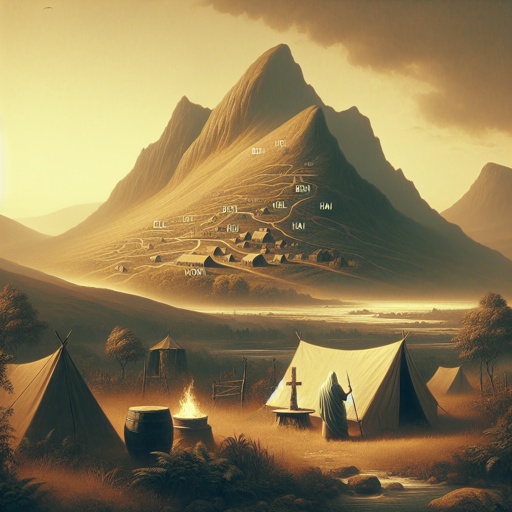
Genesis 12:8 And he removed from thence unto a mountain on the east of Beth–el, and pitched his tent, having Beth–el on the west, and Hai on the east: and there he builded an altar unto the LORD, and called upon the name of the LORD.
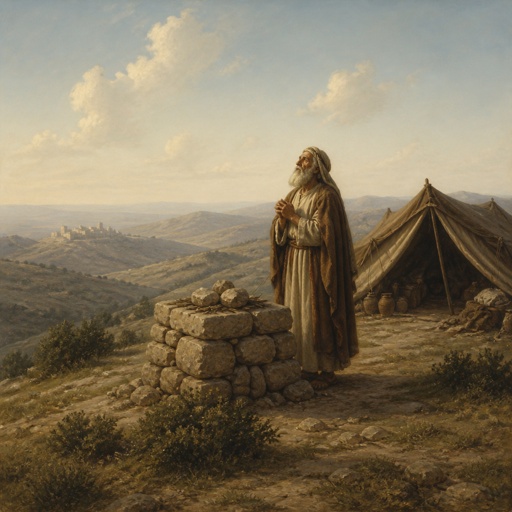
"And he removed from thence unto a mountain on the east of Beth-el, and pitched his tent, having Beth-el on the west, and Hai on the east: and there he builded an altar unto the LORD, and called upon the name of the LORD." - Genesis 12:8
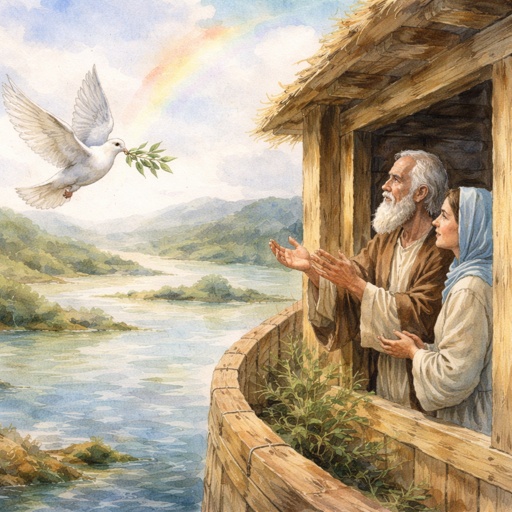
genesis 8:10-12

Genesis 8:12 - "And he stayed yet other seven days; and sent forth the dove; which returned not again unto him any more."

Genesis 12

Genesis 1:6-8

Genesis 1:6-8

Genesis 28-12

Genesis 22-12

Genesis 17-12

Genesis 21-12

Genesis 20-12

Genesis 18-12

Genesis 16:12

Genesis 39:12

Genesis 25:12

Genesis 15:12

Genesis 19-12

Genesis 23-12

Genesis 24-12

Genesis 3:8

genesis 8:11

Genesis 22-8

Genesis 8:11

genesis 8:11

Genesis 3:8

genesis 8:11

Genesis 23-8