Generations of Grace: Lessons from Mizraim's Lineage
"And Mizraim begat Ludim, and Anamim, and Lehabim, and Naphtuhim," - Genesis 10:13
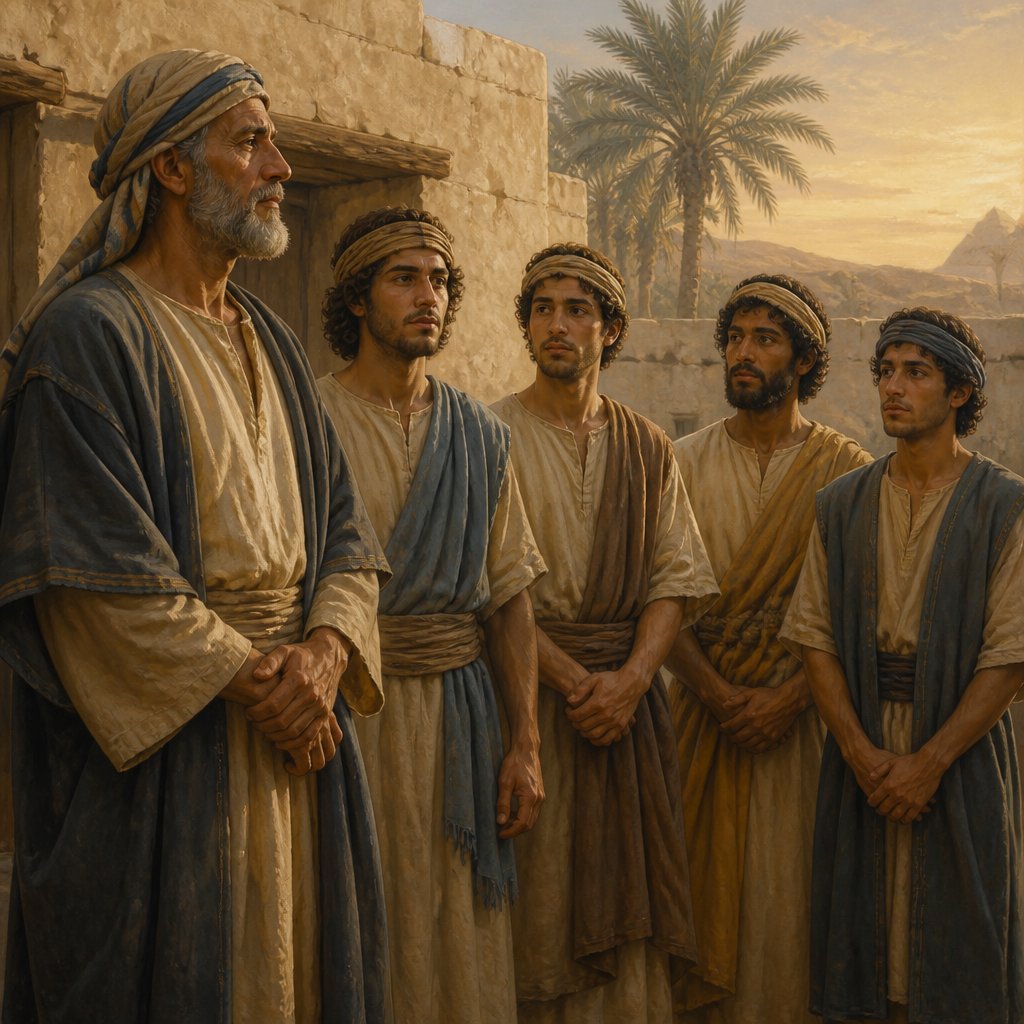
Genesis 10:13 reads: "And Mizraim begat Ludim, and Anamim, and Lehabim, and Naphtuhim (KJV)."
As we traverse the intricate tapestry of God's Word, we often find ourselves drawn to the grand narratives of faith, courage, and divine intervention. Yet, nestled within what may seem like mere genealogies lie profound lessons and historical significance. The lineage of Mizraim, often recognized as the ancestral figure of Egypt, invites us to delve deeper into the significance of family, legacy, and the unfolding of God's plan through the generations.
Mizraim, one of the sons of Ham, represents not only the geographical region of Egypt but also a complex historical context. Egypt would later emerge as a mighty nation central to the biblical narrative, particularly in the story of the Israelites. Yet, here in Genesis 10, we see Mizraim's children listed: Ludim, Anamim, Lehabim, and Naphtuhim. Each of these names signifies more than just descendants; they symbolize the tribes and nations that would stem from Mizraim, contributing to the rich cultural and ethnic diversity of the ancient world.
Every name mentioned can evoke thoughts about family legacy. The immediate question that arises is: What legacy do we leave for our descendants? In the Bible, names often carry meanings that reflect character or destiny—each child bearing Mizraim’s name reflects a continuation of his influence, yet each also signifies individual paths. This prompts reflection on how we shape the lives of those who come after us. Are we cultivating a legacy grounded in faith, integrity, and love?
Consider the climate of the world today, filled with confusion about identity and purpose. Just as Mizraim's lineage contributed to forming nations, our actions and choices today can pave the way for future generations. Each choice we make—whether as a parent, mentor, or community member—has a ripple effect. In a world often swayed by materialism and secularism, our dedication to God’s teachings can stand out, creating a strong foundation for those we influence.
Furthermore, while Mizraim’s descendants were significant in the timeline of human history, their ultimate fate rests in God's hands. God’s overarching narrative always weaves through human history, reinforcing that He is Sovereign over all nations. The descendants of Mizraim, like all humanity, were woven into God's divine plan—even when they strayed from Him. This leads us to a crucial reflection on grace: despite our flawed paths, grace offers redemption. This assurance should embolden us to not despair, no matter how distant family members may feel from God’s love today.
As we explore Mizraim's descendants, we can also reflect on what it meant for ancient nations to be formed. They weren't just descendants but were also bearers of cultures, traditions, and histories that would influence the world stage. Our spiritual legacies, too, contribute to the narrative of our communities and families. We are called to be active participants in God’s plan, nurturing environments where love, faith, and truth can flourish.
So, the next time we skim over a genealogy in Scripture, let’s pause. Let’s consider Mizraim's legacy and the legacies we’re creating. Let us ask God to help us build a life that reflects His love—one that echoes in the lives of the generations that follow. Ultimately, every name—be it Ludim, Anamim, Lehabim, or Naphtuhim, is a testament to the powerful way God uses families and individuals to fulfill His divine purpose. May we strive to be instruments of His grace in our lives, leaving behind a legacy of faith, kindness, and hope.
Want to reflect more on Genesis 10:13?
Continue your spiritual journey with Bible Chat — an AI-powered tool for exploring God's Word through conversation. Ask questions, discover connections, and deepen your understanding.
Get Our Apps


Genesis 10:13 Artwork

Genesis 10:13 - "And Mizraim begat Ludim, and Anamim, and Lehabim, and Naphtuhim,"
"And Mizraim begat Ludim, and Anamim, and Lehabim, and Naphtuhim," - Genesis 10:13

Genesis 13:10

Genesis 13:10 - "And Lot lifted up his eyes, and beheld all the plain of Jordan, that it was well watered every where, before the LORD destroyed Sodom and Gomorrah, even as the garden of the LORD, like the land of Egypt, as thou comest unto Zoar."

Genesis 13:13 - "But the men of Sodom were wicked and sinners before the LORD exceedingly."

Genesis 19-13

Genesis 21-13

Genesis 23-13

Genesis 28-13

Genesis 17-13
Genesis 24-13

Genesis 22-13

Genesis 20-13

Genesis 15:13
Genesis 18-13

Genesis 25-13

Genesis 9:13

Genesis 16:13

Genesis 15:10

Genesis 23-10

Genesis 22-10

Genesis 16:10

Genesis 17:10

Genesis 19-10

Genesis 20-10

Genesis 22:10

Genesis 21-10

Genesis 18-10

Genesis 24:10

Genesis 25-10