Building a Legacy of Faith: Reflections on Genesis 10:11
"Out of that land went forth Asshur, and builded Nineveh, and the city Rehoboth, and Calah," - Genesis 10:11
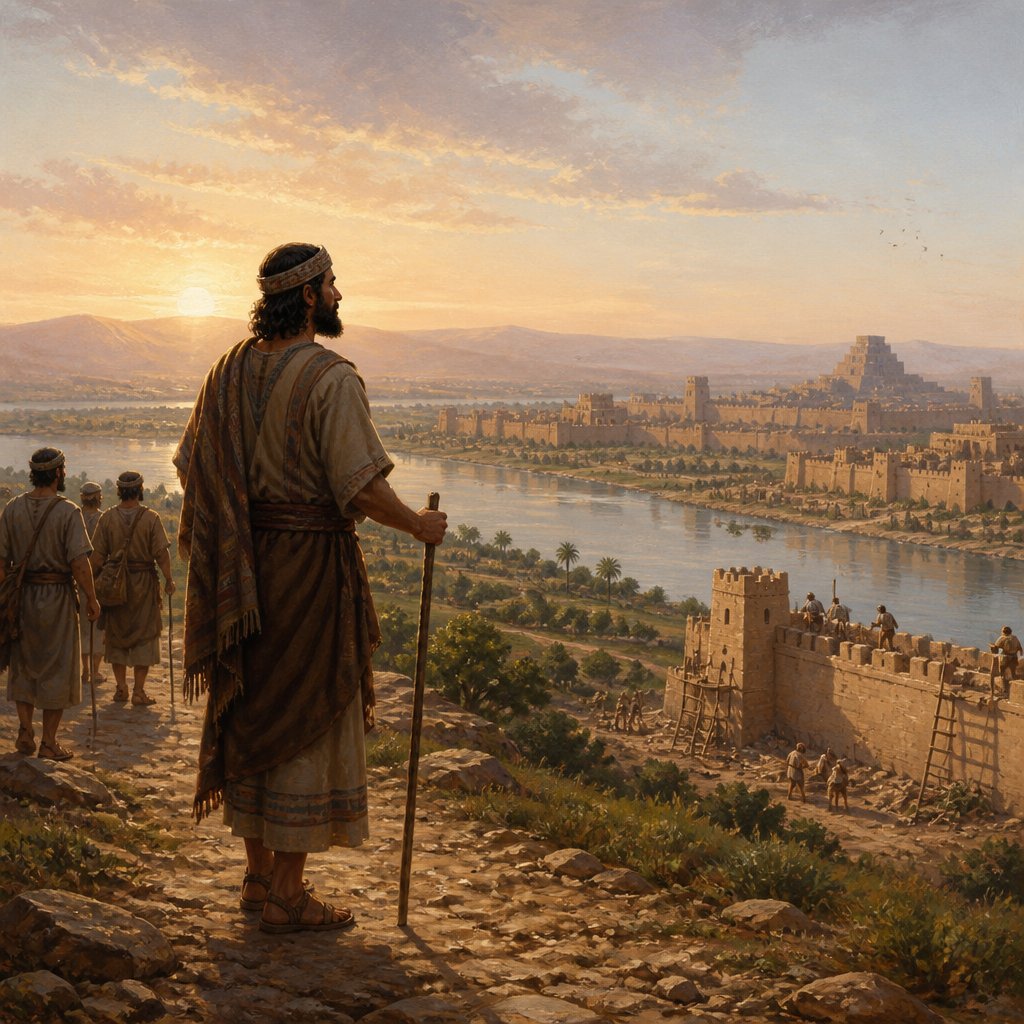
Genesis 10:11 states, "Out of that land went forth Asshur, and builded Nineveh, and the city Rehoboth, and Calah." This verse comes from a lineage that unfolds in the early chapters of Genesis, revealing the beginnings of nations and the movements of people in the aftermath of the flood. It documents the foundational acts of construction and establishment, particularly of cities that would play a significant role in human history.
As we look into this passage, we observe Asshur as a figure not only of physical construction but also of significant spiritual implications. The cities he built — Nineveh, Rehoboth, and Calah — represent more than just geographical locations; they symbolize the aspirations, dreams, and legacies that we choose to build in our own lives. Each name carries with it a hint of purpose and intention.
Nineveh, perhaps the most famous of these cities, is known for its eventual prominence in the Biblical narrative as a center of sin and, subsequently, as a city of repentance. This exemplifies one of the fundamental truths of the Gospel: no matter how far we stray or how deep our sin runs, there lies within us the capacity for redemption and change. Nineveh's story reminds us that transformation is possible, that cities can shift from places of rebellion to havens of grace.
Rehoboth signifies a broader perspective; the name means "wide spaces" or "room for growth." This idea of spaciousness is notable because it speaks to the heart of God’s intention for humanity. In spiritual terms, God desires for us not to be cramped by our limitations or our circumstances but to experience the fullness of life He offers. In our own lives, how often do we feel restricted? How often do we carry burdens that weigh us down, hindering our ability to grow and flourish? God is inviting us into Rehoboth, a place where we can breathe, expand, and live out our God-given potential. Asshur’s role in cultivating this space invites us to consider what we might need to relinquish in order to welcome God’s wide expanses into our lives.
Calah’s name, though less frequently discussed, is often interpreted as “a fortress.” It speaks of protection and strength. As Asshur built Calah, we recognize the importance of establishing fortresses in our lives — not just as defenses against the evils of the world but as structures for community and fellowship, places where we can come together to seek God’s will and purpose. Building a fortress of faith in our hearts allows us to have a place to which we can retreat when the storms of life arise. Likewise, the people we surround ourselves with help to fortify our spirits and encourage our spiritual journey.
As we meditate on Genesis 10:11, let us reflect on the legacies we are building. Are we constructing places of refuge, wide spaces for growth, and fortresses of faith? Whether in our families, communities, or personal lives, the call to build is clear. We are invited not just to make structures, but to invest in relationships, pass down our faith, and shape environments that foster an awareness of God’s presence. Each act of kindness, every moment of teaching, and every stitch of love is a brick in the cities we are building.
Ultimately, may we learn from Asshur’s legacy, recognizing that the paths we forge today will echo through generations. Just as Nineveh, Rehoboth, and Calah were birthed from a singular point of obedience and vision, so too can our lives be transformed into cities of light, hope, and refuge for those who follow after us. Let us pray for wisdom and strength to build wisely, living out our faith as a testament to God’s love and grace.
Want to reflect more on Genesis 10:11?
Continue your spiritual journey with Bible Chat — an AI-powered tool for exploring God's Word through conversation. Ask questions, discover connections, and deepen your understanding.
Get Our Apps


Genesis 10:11 Artwork

Genesis 10:11 - "Out of that land went forth Asshur, and builded Nineveh, and the city Rehoboth, and Calah,"
"Out of that land went forth Asshur, and builded Nineveh, and the city Rehoboth, and Calah," - Genesis 10:11

Genesis 30:10-11

Genesis 11:10 - "¶ These are the generations of Shem: Shem was an hundred years old, and begat Arphaxad two years after the flood:"
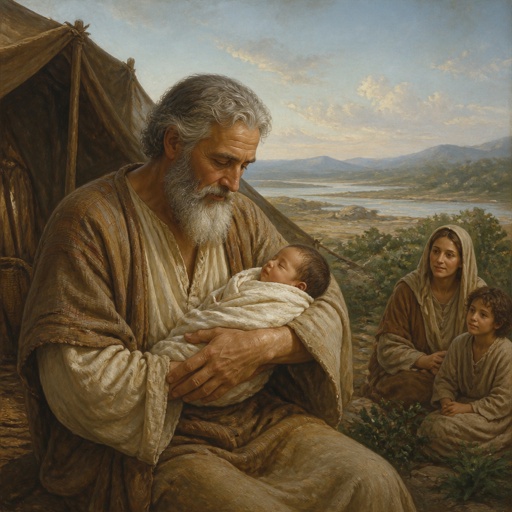
"¶ These are the generations of Shem: Shem was an hundred years old, and begat Arphaxad two years after the flood:" - Genesis 11:10

Genesis 11:5

genesis 8:11

genesis 8:11

Genesis 8:11

genesis 8:11

Genesis 8:11

Genesis 15:11

Genesis 21-11

genesis 8:11

Genesis 11:5

Genesis 18-11
Genesis 20-11

Genesis 28-11

Genesis 11:5

Genesis 8:11

Genesis 23:11

Genesis 22:11

genesis 8:11

Genesis 24-11

Genesis 16:11

Genesis 11:5

genesis 8:11

Genesis 11:5

Genesis 17-11

genesis 8:11