The Echoes of Babel: A Reflection on Human Ambition and Divine Purpose
"And the beginning of his kingdom was Babel, and Erech, and Accad, and Calneh, in the land of Shinar." - Genesis 10:10
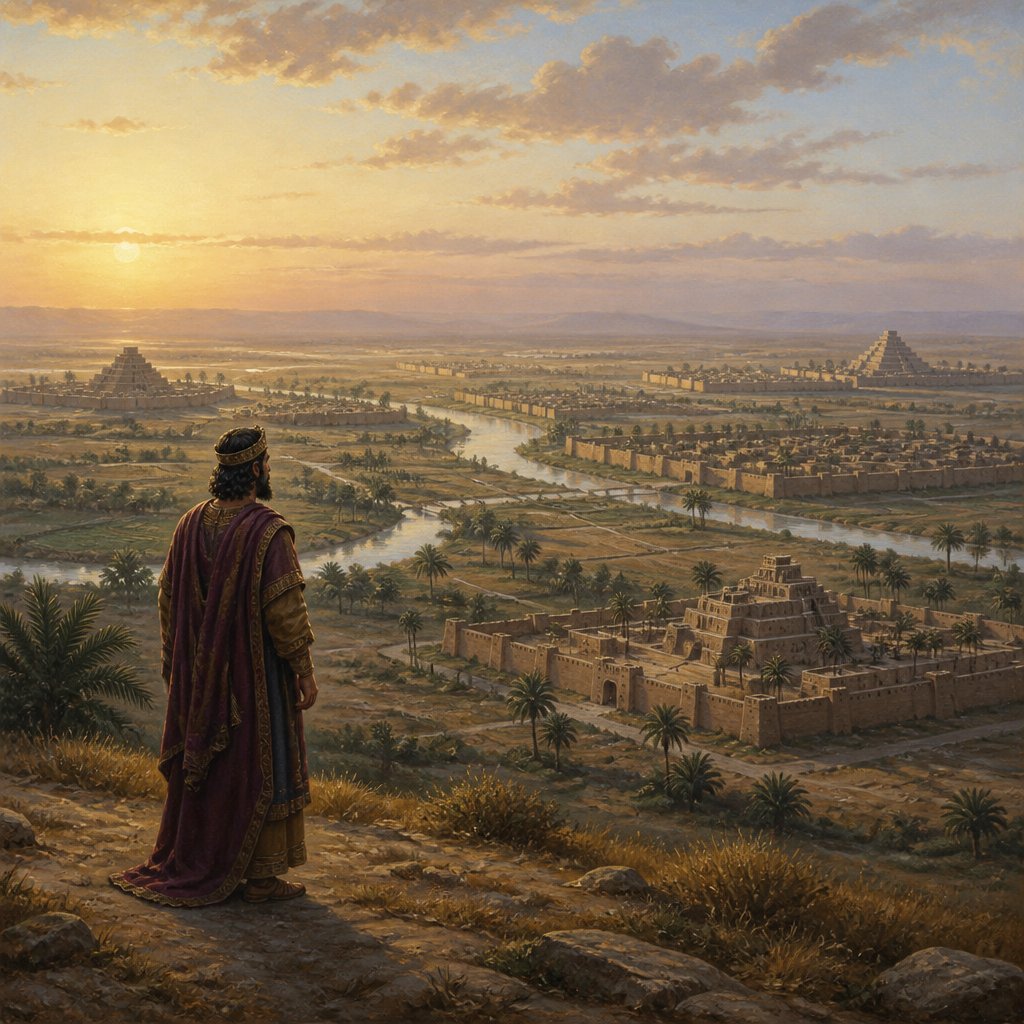
In the pages of Genesis, we encounter a rich tapestry of history, heritage, and divine providence. Genesis 10:10 states, "And the beginning of his kingdom was Babel, and Erech, and Accad, and Calneh, in the land of Shinar." At first glance, this verse may seem merely a listing of ancient cities, part of a genealogical record, but nestled within is a profound lesson about human ambition, divine sovereignty, and the unfolding of God's plans in the midst of our endeavors.
**The Significance of Babel**
The name Babel has become synonymous with confusion and upheaval, referencing not only the city but the very nature of humanity's attempts to reach greatness apart from God. The construction of the Tower of Babel (Genesis 11) speaks to our inherent desire to unify and elevate ourselves, and therein lies a cautionary tale. Babel was the launching point for the world’s ambitions—a culmination of human ingenuity. Yet, this ambition did not stem from a desire to honor God but rather a need to make a name for themselves.
As Christians, it is vital to reflect on our motivations. What drives our pursuits? Are we, like the builders of Babel, seeking to establish our kingdoms, or do we align our ambitions with God’s purposes? In our careers, relationships, and even ministries, we must pause and ask—are we building towers or nurturing foundations anchored in Christ?
**The Cities of Human Glory**
The interconnected names—Erech, Accad, Calneh—reveal cities steeped in human dignity and legacy. They were vibrant hubs of culture and power. Yet, the context of these cities highlights a deeper narrative of transience. No matter how grand or impressive they were, they coexisted in a world that was ultimately under God’s sovereignty. The ambitions of humankind are fleeting when separated from divine guidance.
As believers, we must challenge the illusion of permanence that worldly success presents. In our quest for significance, we can easily overlook the enduring value found only in our relationship with God. How often do we chase achievements, accolades, or recognition only to realize they do not satisfy the deepest longings of our hearts? Instead, we are called to construct our lives on the solid rock of Jesus Christ, allowing Him to shape our identity and purpose.
**The Land of Shinar**
The phrase "in the land of Shinar" holds particular weight because it was an area marked by both richness and rebellion against God. Shinar, often interpreted as a place of the East, serves as a metaphor for human wisdom and understanding that is often at odds with God’s kingdom. It reminds us that while we may strive to achieve our goals, it is God who ultimately determines the landscape of our lives.
The land of Shinar also signifies the breadth of human ambition—our collective efforts can create magnificent structures. However, if those efforts yield disunity and pride, they will inevitably lead to confusion and chaos, as demonstrated by the aftermath of Babel. The resultant scattering of people gave birth to nations that, while diverse, stood apart from the singular purpose of glorifying God.
**A Call to Unity in the Spirit**
As believers, we must learn from Babel what not to pursue. Our ambitions should not lead us to build towers but to build bridges of love and grace, echoing the unifying message of the Gospel. Acts 2 provides a touching contrast to Babel's scattering, demonstrating the power of the Holy Spirit to unite people across cultures for God’s glory. When we center our ambitions around serving God and loving others, we experience a true community forged not by human effort but by divine grace.
In conclusion, let us reflect on Genesis 10:10 with a prayerful heart. May we discern those areas where our ambitions may risk leading us to a 'Babel' experience. Let us seek to align our goals with God’s vision, using our energies not for self-glorification but to advance His kingdom, echoing Paul's encouragement in Philippians 2:3–4, reminding us to value others above ourselves. May we build our lives as true servants in the land of our calling while being mindful of the one true Kingdom that stands above all—God’s everlasting kingdom.
Want to reflect more on Genesis 10:10?
Continue your spiritual journey with Bible Chat — an AI-powered tool for exploring God's Word through conversation. Ask questions, discover connections, and deepen your understanding.
Get Our Apps


Genesis 10:10 Artwork

Genesis 10:10 - "And the beginning of his kingdom was Babel, and Erech, and Accad, and Calneh, in the land of Shinar."
"And the beginning of his kingdom was Babel, and Erech, and Accad, and Calneh, in the land of Shinar." - Genesis 10:10

Genesis 15:10

Genesis 23-10

Genesis 22-10

Genesis 17:10

Genesis 16:10

Genesis 13:10

Genesis 19-10

Genesis 20-10

Genesis 18-10

Genesis 22:10

Genesis 21-10

Genesis 25-10

Genesis 24:10

Genesis 28:10

Genesis 10:28 - "And Obal, and Abimael, and Sheba,"

Genesis 1:10-14

Genesis 30:10-11

Genesis 10:16 - "And the Jebusite, and the Amorite, and the Girgasite,"

Genesis 10:27 - "And Hadoram, and Uzal, and Diklah,"

Genesis 10:17 - "And the Hivite, and the Arkite, and the Sinite,"
genesis 8:10-12

Genesis 27:10 KJV

Genesis 10:3 - "And the sons of Gomer; Ashkenaz, and Riphath, and Togarmah."

Genesis 10:4 - "And the sons of Javan; Elishah, and Tarshish, Kittim, and Dodanim."

Genesis 10:24 - "And Arphaxad begat Salah; and Salah begat Eber."

Genesis 10:6 - "¶ And the sons of Ham; Cush, and Mizraim, and Phut, and Canaan."

Genesis 10:26 - "And Joktan begat Almodad, and Sheleph, and Hazarmaveth, and Jerah,"

Genesis 10:15 - "¶ And Canaan begat Sidon his firstborn, and Heth,"