The Weight of Transgression: A Call to Holy Reverence
"Then were assembled unto me every one that trembled at the words of the God of Israel, because of the transgression of those that had been carried away; and I sat astonied until the evening sacrifice." - Ezra 9:4
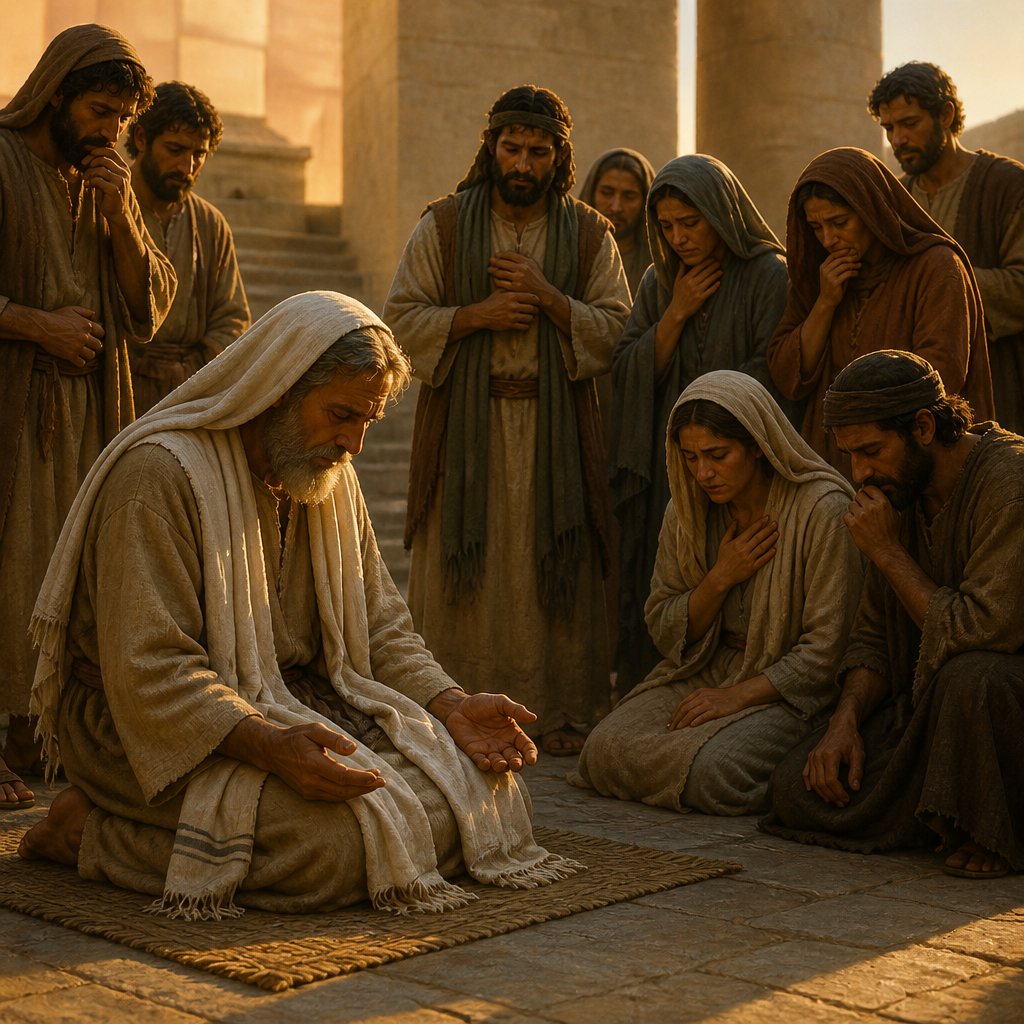
In Ezra 9:4, we encounter a profound moment of spiritual awakening and communal repentance, a narrative that speaks to the heart of our relationship with God and our response to sin. The verse reads, "Then were assembled unto me every one that trembled at the words of the God of Israel, because of the transgression of those that had been carried away; and I sat astonished until the evening sacrifice" (KJV). Here, Ezra, a priest and scribe, finds himself at a critical juncture in Israel’s post-exilic history, a moment that invites deep reflection on our own lives and the spiritual condition of our communities.
### Trembling at the Word
The phrase "trembled at the words of the God of Israel" encapsulates a heart that recognizes the gravity and authority of God's Word. To tremble signifies a profound respect and a deep understanding of the holiness of God and the seriousness of sin. In our contemporary context, it is vital to reflect upon what it means for us to stand in awe of God's Word. Are we, like the individuals who joined Ezra, coming together with a sense of reverence? Do we approach Scripture with humility, fully aware of its power to convict, guide, and transform?
### The Weight of Collective Sin
Ezra’s astonishment came in light of the collective transgression of the people. The Israelites, who had returned from Babylonian captivity, were not only rebuilding their physical city but also restoring their identity as God's chosen people. Yet, they faced the reality of their unfaithfulness. They had assimilated into the surrounding cultures, compromising their values and identity, thereby incurring God's displeasure once again. This notion of corporate sin is crucial; it challenges us to consider how our personal actions affect our communities and relationships. The transgressions of one can bring about consequences that bring astonishment and despair upon the many.
### Sitting Astonished
Ezra's decision to sit astonished until the evening sacrifice portrays a beautiful image of contemplation and mourning. It symbolizes a pause—a sacred moment of reflection that invites repentance. In our fast-paced world, how often do we take time to sit, reflect, and internalize the weight of our sins? It is a moment of silent confrontation with the reality of our transgressions. When we sit in astonishment before the Lord, we allow ourselves to be vulnerable before Him and recognize the depth of our failure to uphold His commandments.
### The Evening Sacrifice
The reference to the evening sacrifice is significant. It evokes the importance of atonement and the desire for reconciliation with God. In a time when we have access to the ultimate sacrifice, Jesus Christ, we engage in the process of confession and repentance with the assurance that forgiveness is readily available. The evening sacrifice reflects our need for restoration and our proactive steps toward renewing our covenant with God. Each evening can be a moment for us to return our hearts to Him, to seek forgiveness, and to receive the grace that was demonstrated on Calvary.
### A Call to Action
As we meditate upon Ezra 9:4, let it serve as a reminder of our responsibility not just as individuals, but as a collective body of believers. Let us assemble ourselves with those who tremble at the Word, recognizing our collective need for revival and renewal. Let us not shy away from the hard truths about our situations, but embrace them as catalysts for transformation.
In closing, take a moment today to meditate on your own life and the state of your community. Ask yourself: What are the areas of transgression that I need to confess? Who do I need to assemble with in humility to seek healing and restoration? Let our hearts tremble at the weight of our collective and personal battles with sin and let us approach our holy God, seated in astonishment but ready for sacrifice, confident in His mercy.
Want to reflect more on Ezra 9:4?
Continue your spiritual journey with Bible Chat — an AI-powered tool for exploring God's Word through conversation. Ask questions, discover connections, and deepen your understanding.
Get Our Apps


Ezra 9:4 Artwork

Ezra 9:4 - "Then were assembled unto me every one that trembled at the words of the God of Israel, because of the transgression of those that had been carried away; and I sat astonied until the evening sacrifice."
"Then were assembled unto me every one that trembled at the words of the God of Israel, because of the transgression of those that had been carried away; and I sat astonied until the evening sacrifice." - Ezra 9:4

Ezra 4:9 - "Then wrote Rehum the chancellor, and Shimshai the scribe, and the rest of their companions; the Dinaites, the Apharsathchites, the Tarpelites, the Apharsites, the Archevites, the Babylonians, the Susanchites, the Dehavites, and the Elamites,"

Ezra 4:4

Ezra 4:4

Ezra 9:6

Ezra 3:9

Ezra 9:3

Ezra 9:1

Ezra 9:1

Ezra 9:1

Ezra 9:1-2

Ezra 9:13-15

Ezra 9:1-2

Ezra 2:9 - "The children of Zaccai, seven hundred and threescore."

Zerubbabel in Ezra chapter 4

Zerubbabel in Ezra chapter 4

Ezra 4:4 - "Then the people of the land weakened the hands of the people of Judah, and troubled them in building,"

Letter to the king in Ezra chapter 4

Ezra 7:4 - "The son of Zerahiah, the son of Uzzi, the son of Bukki,"

Ezra 2:4 - "The children of Shephatiah, three hundred seventy and two."
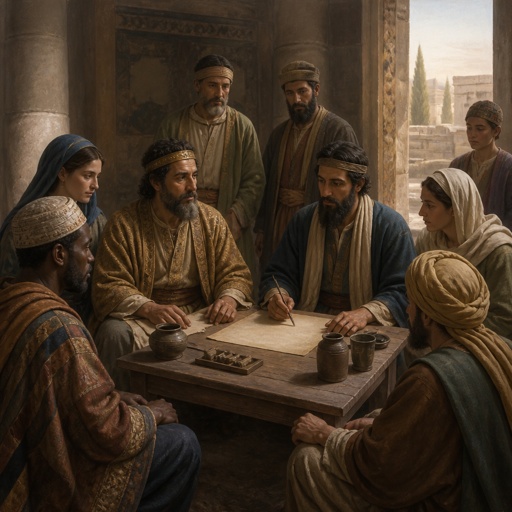
"Then wrote Rehum the chancellor, and Shimshai the scribe, and the rest of their companions; the Dinaites, the Apharsathchites, the Tarpelites, the Apharsites, the Archevites, the Babylonians, the Susanchites, the Dehavites, and the Elamites," - Ezra 4:9

Ezra 8:9 - "Of the sons of Joab; Obadiah the son of Jehiel, and with him two hundred and eighteen males."

Ezra 1:9 - "And this is the number of them: thirty chargers of gold, a thousand chargers of silver, nine and twenty knives,"

Ezra 8:4 - "Of the sons of Pahath-moab; Elihoenai the son of Zerahiah, and with him two hundred males."

"The children of Zaccai, seven hundred and threescore." - Ezra 2:9

Ezra 9:10 - "And now, O our God, what shall we say after this? for we have forsaken thy commandments,"

Ezra 4:22 - "Take heed now that ye fail not to do this: why should damage grow to the hurt of the kings?"

Ezra 5:4 - "Then said we unto them after this manner, What are the names of the men that make this building?"

Ezra 4:8 - "Rehum the chancellor and Shimshai the scribe wrote a letter against Jerusalem to Artaxerxes the king in this sort:"