The Cost of Rebuilding: A Lesson from Ezra 4:13
"Be it known now unto the king, that, if this city be builded, and the walls set up again, then will they not pay toll, tribute, and custom, and so thou shalt endamage the revenue of the kings." - Ezra 4:13
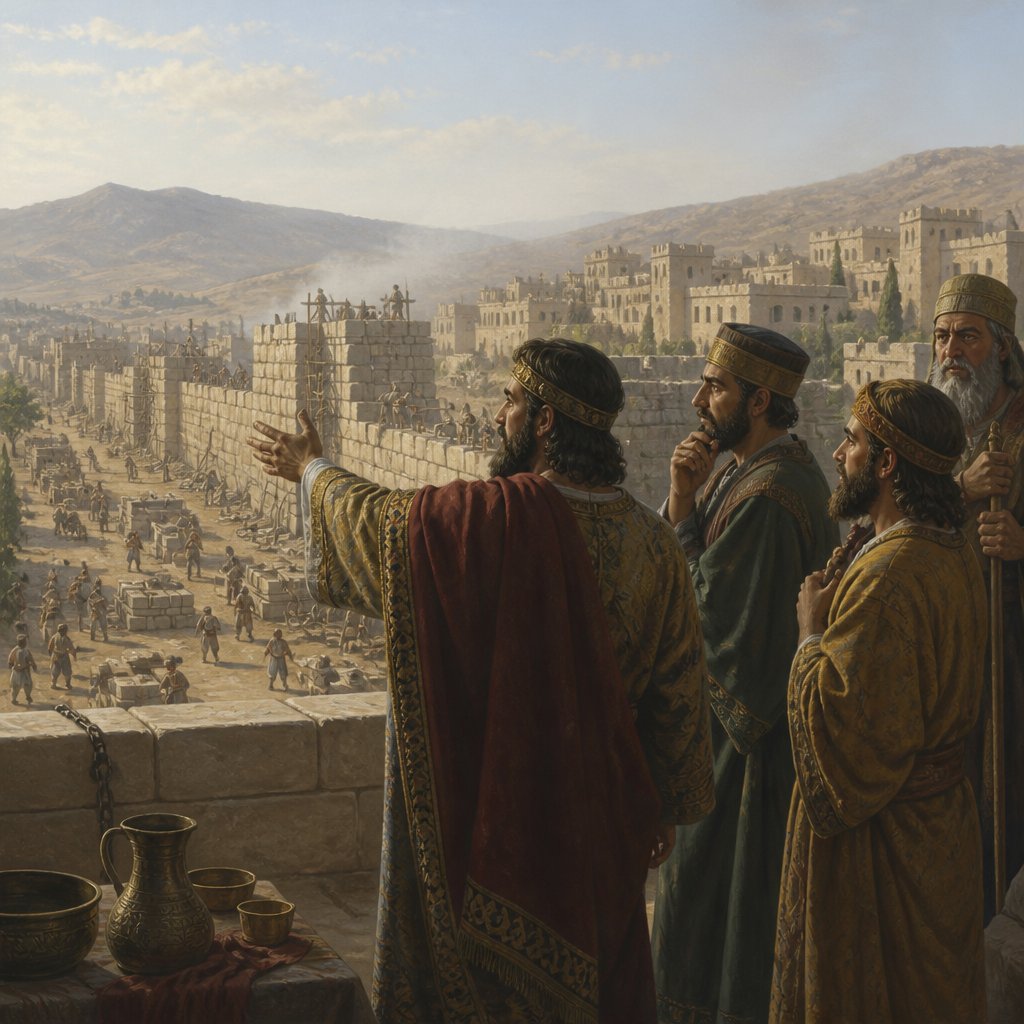
The book of Ezra stands as a powerful testament to God's faithfulness and the diligent efforts of His people to restore both their homeland and their worship. In the midst of this narrative, we come across Ezra 4:13, where we find a bold declaration from the adversaries of the Jewish people: "Be it known now unto the king, that if this city be builded, and the walls set up again, then will they not pay toll, tribute, and custom; and so thou shalt endamage the revenue of the kings" (KJV).
This verse encapsulates the tension that arises when God's people attempt to follow His calling to restoration. The adversaries of the nation of Judah recognize the significance of Jerusalem's rebuilding not just spiritually, but also politically and economically. They understood that a fortified Jerusalem would not only be a center of worship but also a city that could thrive independently, reducing its reliance on the authority of the Persian Empire. Their accusations reflect a fear of losing control, which manifested in their efforts to thwart the rebuilding process.
Knowing this context sheds light on the broader struggle of rebuilding hope and faith. Each day, in our personal lives and within our communities, we may feel the weight of adverse circumstances weighing down our aspirations. Perhaps like the Jews in Ezra's time, we are striving to restore things that have been broken – our health, our relationships, our hopes. However, just as we feel the pull towards renewal, we may also encounter those who seek to undermine our efforts. This often manifests as discouragement, opposition, or fear of what could be lost.
Consider the implications of this verse, where the enemies sought to present rebuilding as an act of rebellion. The suggestion that such an action would harm the king’s revenues could resonate with today’s fears of political and financial upheaval in our own lives. When we engage in meaningful change, when we rebuild our walls, we may feel that we risk threatening the status quo or the comfort of those around us. Yet here lies the challenge of faith: the journey towards restoration is often intertwined with risk. Often, God calls us to begin anew despite the stakes or opposition.
Ezra 4:13 serves as a reminder that rebuilding often brings opposition. When one's heart is set on a purpose that aligns with God’s will, the enemy will do whatever possible—through whispers of doubt or the discouragement of others—to detract from that mission. Jesus tells us in John 10:10, "The thief cometh not, but for to steal, and to kill, and to destroy: I am come that they might have life, and that they might have it more abundantly.” The thief, in our lives, may appear as external voices of dissent or internal anxieties, sowing seeds of fear regarding the consequences of stepping out in faith.
In light of these challenges, we must turn to the God of restoration. He is a fortress in times of trouble (Psalm 46:1), and He promises to strengthen us as we labor for His glory. The effort to rebuild—whether it’s our spiritual lives, our families, or our communities—should be rooted in a trust that God has dominion over every obstacle we face. Recognizing the potential threat we pose to the enemy when we seek renewal should not deter us; rather, it should affirm our purpose.
Let us embrace the truth of Ezra 4:13 and remember that though opposition may come, God’s promises to sustain us are far greater. When we endeavor to rebuild, let us do so with fortitude, assured that the walls we reconstruct will be met with opposition—but also with the divine protection and support that accompanies God’s faithful servants. Trust in His provision for the resources we need and the courage to face any obstacle that arises. In every act of rebuilding, let us proclaim the life-giving, transformative work of our Lord.
Want to reflect more on Ezra 4:13?
Continue your spiritual journey with Bible Chat — an AI-powered tool for exploring God's Word through conversation. Ask questions, discover connections, and deepen your understanding.
Get Our Apps


Ezra 4:13 Artwork

Ezra 4:13 - "Be it known now unto the king, that, if this city be builded, and the walls set up again, then will they not pay toll, tribute, and custom, and so thou shalt endamage the revenue of the kings."
"Be it known now unto the king, that, if this city be builded, and the walls set up again, then will they not pay toll, tribute, and custom, and so thou shalt endamage the revenue of the kings." - Ezra 4:13

Ezra 4:4

Ezra 4:4

Ezra 9:13-15

Nehemiah 12:13 - "Of Ezra, Meshullam; of Amariah, Jehohanan;"

Zerubbabel in Ezra chapter 4

Zerubbabel in Ezra chapter 4

Ezra 4:4 - "Then the people of the land weakened the hands of the people of Judah, and troubled them in building,"
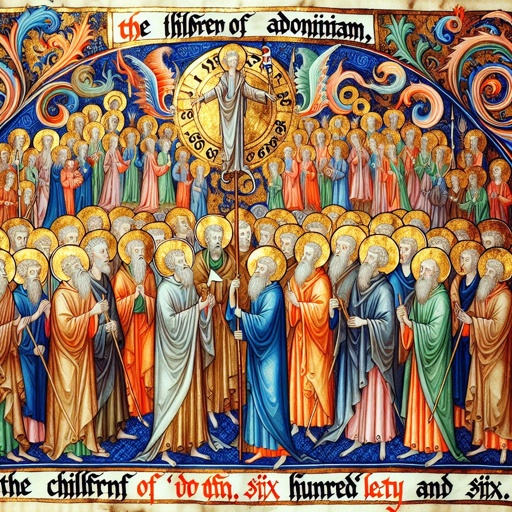
Ezra 2:13 - "The children of Adonikam, six hundred sixty and six."

Letter to the king in Ezra chapter 4

Ezra 7:4 - "The son of Zerahiah, the son of Uzzi, the son of Bukki,"

"Of Ezra, Meshullam; of Amariah, Jehohanan;" - Nehemiah 12:13

Ezra 2:4 - "The children of Shephatiah, three hundred seventy and two."

Ezra 8:13 - "And of the last sons of Adonikam, whose names are these, Eliphelet, Jeiel, and Shemaiah, and with them threescore males."

Ezra 5:13 - "But in the first year of Cyrus the king of Babylon the same king Cyrus made a decree to build this house of God."

Ezra 8:4 - "Of the sons of Pahath-moab; Elihoenai the son of Zerahiah, and with him two hundred males."
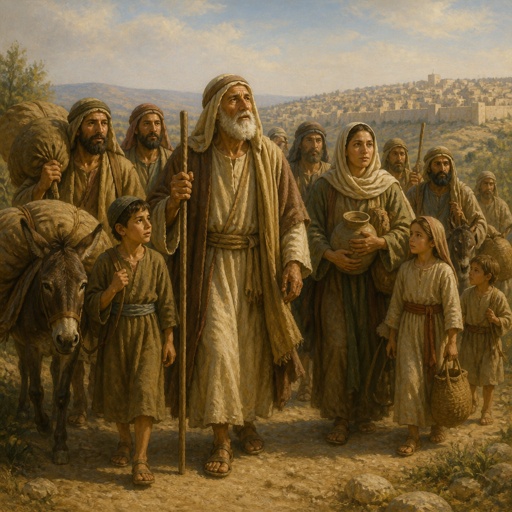
"The children of Adonikam, six hundred sixty and six." - Ezra 2:13

Ezra 4:22 - "Take heed now that ye fail not to do this: why should damage grow to the hurt of the kings?"

Ezra 5:4 - "Then said we unto them after this manner, What are the names of the men that make this building?"

Ezra 4:8 - "Rehum the chancellor and Shimshai the scribe wrote a letter against Jerusalem to Artaxerxes the king in this sort:"

Ezra 10:4 - "Arise; for this matter belongeth unto thee: we also will be with thee: be of good courage, and do it."

"Then the people of the land weakened the hands of the people of Judah, and troubled them in building," - Ezra 4:4

Ezra 4:18 - "The letter which ye sent unto us hath been plainly read before me."

Ezra 6:13 - "¶ Then Tatnai, governor on this side the river, Shethar-boznai, and their companions, according to that which Darius the king had sent, so they did speedily."

"The son of Zerahiah, the son of Uzzi, the son of Bukki," - Ezra 7:4

Ezra 4:6 - "And in the reign of Ahasuerus, in the beginning of his reign, wrote they unto him an accusation against the inhabitants of Judah and Jerusalem."

Ezra 6:4 - "With three rows of great stones, and a row of new timber: and let the expenses be given out of the king's house:"

Ezra 4:10 - "And the rest of the nations whom the great and noble Asnappar brought over, and set in the cities of Samaria, and the rest that are on this side the river, and at such a time."

Ezra 4:24 - "Then ceased the work of the house of God which is at Jerusalem. So it ceased unto the second year of the reign of Darius king of Persia."