Rebuilding the Altar of Our Hearts
"Then stood up Jeshua the son of Jozadak, and his brethren the priests, and Zerubbabel the son of Shealtiel, and his brethren, and builded the altar of the God of Israel, to offer burnt offerings thereon, as it is written in the law of Moses the man of God." - Ezra 3:2

In the book of Ezra, particularly Ezra 3:2, we are presented with a powerful image of renewal and dedication amidst the rubble of a decimated city. The verse reads: "Then stood up Jeshua the son of Jozadak, and his brethren the priests, and Zerubbabel the son of Shealtiel, and his brethren, and builded the altar of the God of Israel, to offer burnt offerings thereon, as it is written in the law of Moses the man of God."
This passage comes during a critical time in Jewish history, as the people of Israel have returned from Babylonian exile and are seeking to reestablish their identity as God’s chosen people. The temple had been destroyed, and now they stand among the ruins, yet the first action they take is not to rebuild the temple itself but rather to erect the altar. This moment holds rich significance for us as we reflect on our own spiritual lives.
### The Altar as a Symbol of Commitment
The altar represents a place of sacrifice, worship, and communion with God. Jeshua and Zerubbabel recognized that before anything else could be restored, their relationship with God needed priority. The altar was not merely a physical construct; it was a crucial element of their covenant with God, embodying their commitment to worship and obedience according to the law of Moses.
In our own lives, we often focus on the external aspects of our faith—our church attendance, our Bible study routine, and our community involvement—while neglecting the internal altar of our hearts. Just as the Israelites rebuilt the altar first, we too are called to examine and rebuild the sanctity of our worship and our personal devotion to God. Are we offering up the "burnt offerings" of our hearts, our time, our resources, and our service?
### Returning to Worship
In a world filled with distractions and trials, returning to worship becomes an intentional act of our faith. The act of building the altar signifies the reestablishment of God as the center of their community. Likewise, we must return to worship as a declaration that God reigns in our lives, despite whatever distraction or disarray we face. Are we willing to stand up in faith like Jeshua and Zerubbabel?
### As It is Written
The final words of the verse, "as it is written in the law of Moses the man of God," remind us of the importance of adhering to God’s commandments. In everything we do—whether in worship, service, or daily living—we should be guided by His Word. It invites us into a life anchored in scripture, where our understanding of the law isn’t just about following rules but about cultivating a relationship with the God who loves us beyond measure.
This call to action compels us to integrate scripture into our daily practices. When we immerse ourselves in the truth of God, we create an environment conducive for His Spirit to thrive within us. We can ask ourselves: Are we actively engaging with the Bible? Are we allowing it to transform our thoughts and actions?
### Building Together
Moreover, note that Jeshua and Zerubbabel didn’t act alone. They were supported by their brethren—the priests and fellow Israelites. This underscores the value of community in worship and restoration. In our journeys of faith, we are not intended to walk alone. We need each other in the building process, encouraging one another, praying for one another, and celebrating the triumphs of faith together.
### Conclusion
As we meditate on Ezra 3:2, let us take the opportunity to examine our own hearts and determine whether we need to rebuild our personal altars. In the rubble of daily challenges, let us prioritize worship and our relationship with God. Let us also engage with Scripture and be active participants in our faith communities. Through these acts, we too can rise and build upon the altar of our hearts, dedicating ourselves anew to the God of Israel.
Want to reflect more on Ezra 3:2?
Continue your spiritual journey with Bible Chat — an AI-powered tool for exploring God's Word through conversation. Ask questions, discover connections, and deepen your understanding.
Get Our Apps


Ezra 3:2 Artwork

Ezra 3:2

Ezra 3:2

Ezra 3:2

Ezra 3:2

Ezra 3:2

Ezra 3:2 - "Then stood up Jeshua the son of Jozadak, and his brethren the priests, and Zerubbabel the son of Shealtiel, and his brethren, and builded the altar of the God of Israel, to offer burnt offerings thereon, as it is written in the law of Moses the man of God."

"Then stood up Jeshua the son of Jozadak, and his brethren the priests, and Zerubbabel the son of Shealtiel, and his brethren, and builded the altar of the God of Israel, to offer burnt offerings thereon, as it is written in the law of Moses the man of God." - Ezra 3:2

Ezra 2:3 - "The children of Parosh, two thousand an hundred seventy and two."

"The children of Parosh, two thousand an hundred seventy and two." - Ezra 2:3

Ezra 10:3

Ezra 3:10

Ezra 3:9

Ezra 9:3

Ezra 10:3

Zerubbabel in Ezra chapter 3

Altar rebuilt in Jerusalem. Ezra 3:1-3

Ezra 7:3 - "The son of Amariah, the son of Azariah, the son of Meraioth,"

Ezra 9:1-2

Zerubbabel in Ezra chapter 2

Pagan women leave with their children ezra 10:3

Ezra 2:22 - "The men of Netophah, fifty and six."
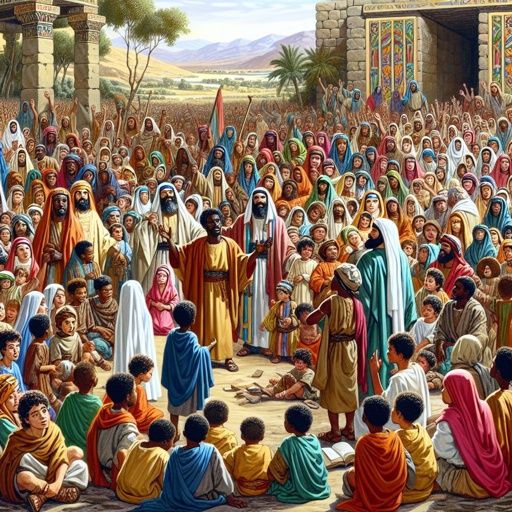
Ezra 2:18 - "The children of Jorah, an hundred and twelve."

Ezra 2:54 - "The children of Neziah, the children of Hatipha."

Ezra 2:20 - "The children of Gibbar, ninety and five."

Ezra 2:24 - "The children of Azmaveth, forty and two."

Ezra 2:39 - "The children of Harim, a thousand and seventeen."

Pagan women leave with their children ezra 10:3

Ezra 9:1-2

Ezra 2:9 - "The children of Zaccai, seven hundred and threescore."

Ezra 2:27 - "The men of Michmas, an hundred twenty and two."