Restoration and Remembering: The Faithful Legacy of God's People
"The children of Uzza, the children of Paseah, the children of Besai," - Ezra 2:49
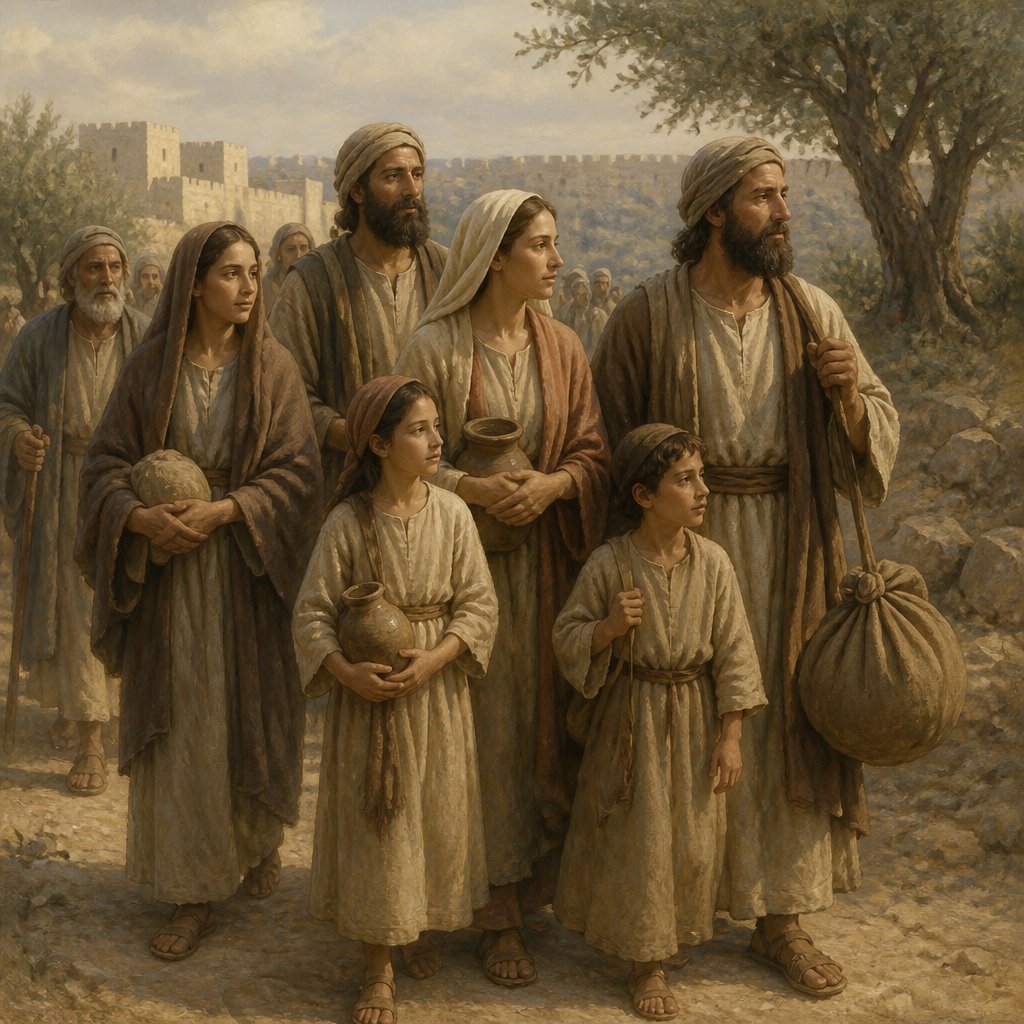
The scripture from Ezra 2:49—"The children of Uzza, the children of Paseah, the children of Besai"—may seem like just names on a page, but within these words lies a powerful testament to the faithfulness of God’s people and their journey towards restoration. This chapter of Ezra recounts the return of the exiled Israelites from Babylon, a monumental event characterized by the rekindling of hope, identity, and community.
**Understanding the Context**
The book of Ezra is set during a pivotal moment in Israelite history. After decades of exile, the people were poised to return to their homeland, Jerusalem. They were tasked not only with rebuilding the temple but also with reinstating their cultural and religious identity. In this return, we find lists of names, genealogies, and familial connections—each individual counted and remembered.
The names we encounter, like Uzza, Paseah, and Besai, may not carry their significance to the casual reader, yet they symbolize the richness of family and the divine promise fulfilled. God had not forgotten His people. Every name represents a story, a legacy of devotion, struggle, and resilience. Each child, descendant, and family member had a role in the larger narrative of God's faithfulness, which invites us to reflect on our own stories.
**The Importance of Remembrance**
When we consider the listing of names, we are reminded of the value of remembering. In a world where people often feel lost in anonymity, the act of remembering serves as an anchor, connecting us to our past and grounding us in our identity. God’s commitment to remembering His people is echoed throughout Scripture, assuring us that we are never forgotten. The act of recording these names in the annals of history speaks of the importance of community and family in the Kingdom of God.
Each name signifies a generation that played a part in the redemptive history of Israel—a vital reminder that God's work is done through individuals and communities alike. Just as the children of Uzza, Paseah, and Besai came together to rebuild their homeland, we too are called to be a living testament of faith, hope, and love in our communities.
**Parallels in Our Lives**
As we delve deeper into our own walks of faith, we might find parallels in our lives with those who returned to Jerusalem. We each carry our own burdens and pasts, but through Christ, we are given the opportunity for restoration. The Israelites returned not just to a physical place but to a spiritual renewal—a chance to reclaim what had been lost. This is a profound reminder for us: every setback can lead to a setup for a comeback, where we can rebuild, restore, and renew our faith.
Let us be encouraged to examine our own lives and ask ourselves, who are the ‘Uzzas, Paseahs, and Besais’ in our community? Whose legacy are we contributing to? Just as these families were part of the reestablishment of Jerusalem, we too can be part of the restoration of faith and community in our time.
**A Call to Action**
As we reflect on Ezra 2:49, let us also consider how we can actively participate in the restoration of our communities. This might include stepping out to be involved in church activities, community service, or simply reaching out to those around us. The recovery from exile is a powerful narrative of hope and action—each one of us has a part to play. Let us be mindful that faith is not merely an individual pursuit; it encompasses the collective journey we share as the body of Christ.
May the names etched in history inspire us, and may we never forget that we are integral parts of God's ongoing story of redemption. As we move forward, let's carry the names of our community in our hearts, working diligently to renew hope and faith wherever we go.
Want to reflect more on Ezra 2:49?
Continue your spiritual journey with Bible Chat — an AI-powered tool for exploring God's Word through conversation. Ask questions, discover connections, and deepen your understanding.
Get Our Apps


Ezra 2:49 Artwork

Ezra 2:49 - "The children of Uzza, the children of Paseah, the children of Besai,"
"The children of Uzza, the children of Paseah, the children of Besai," - Ezra 2:49

Luk 2:46-49

Ezra 3:2

Ezra 3:2

Ezra 3:2

Ezra 3:2

Ezra 3:2

Psalms 49:2 - "Both low and high, rich and poor, together."

Ezra 9:1-2

Zerubbabel in Ezra chapter 2

Ezra 2:22 - "The men of Netophah, fifty and six."
Ezra 2:18 - "The children of Jorah, an hundred and twelve."

Ezra 2:54 - "The children of Neziah, the children of Hatipha."

Ezra 2:20 - "The children of Gibbar, ninety and five."

Ezra 2:24 - "The children of Azmaveth, forty and two."

Ezra 2:39 - "The children of Harim, a thousand and seventeen."

Ezra 9:1-2

Ezra 2:9 - "The children of Zaccai, seven hundred and threescore."

Ezra 2:27 - "The men of Michmas, an hundred twenty and two."

Ezra 2:29 - "The children of Nebo, fifty and two."

Ezra 2:56 - "The children of Jaalah, the children of Darkon, the children of Giddel,"

Ezra 2:11 - "The children of Bebai, six hundred twenty and three."

Ezra 2:53 - "The children of Barkos, the children of Sisera, the children of Thamah,"

Ezra 2:48 - "The children of Rezin, the children of Nekoda, the children of Gazzam,"

Ezra 2:15 - "The children of Adin, four hundred fifty and four."

Ezra 7:2 - "The son of Shallum, the son of Zadok, the son of Ahitub,"

Ezra 2:21 - "The children of Beth-lehem, an hundred twenty and three."

Ezra 2:45 - "The children of Lebanah, the children of Hagabah, the children of Akkub,"

Ezra 2:51 - "The children of Bakbuk, the children of Hakupha, the children of Harhur,"