Stepping Stones of Legacy: A Devotion on Ezra 2:44
"The children of Keros, the children of Siaha, the children of Padon," - Ezra 2:44
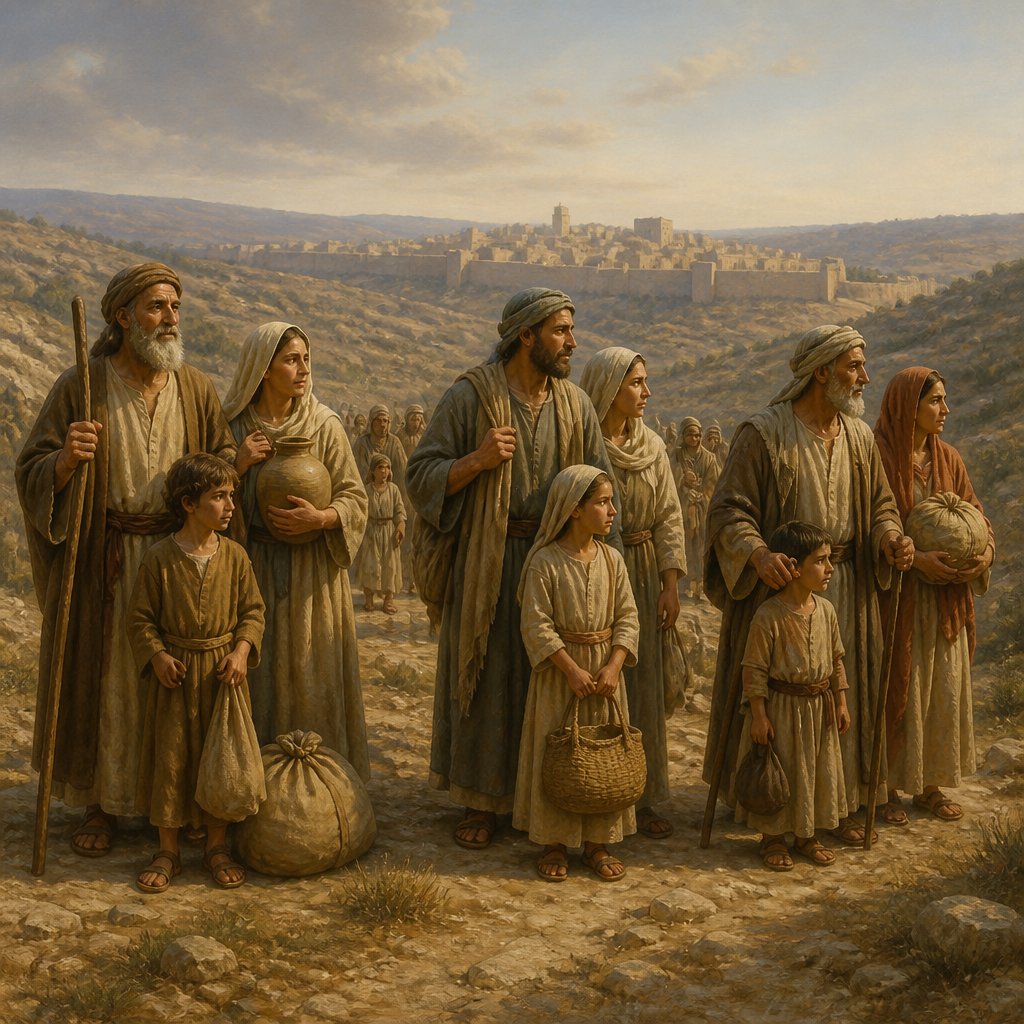
As we delve into the genealogies and lists of names found in the book of Ezra, a verse such as Ezra 2:44 - "The children of Keros, the children of Siaha, the children of Padon," - may seem like a simple record of descent, or merely a historical accounting of those who returned from captivity. However, as we look deeper, this passage reveals profound truths about lineage, community, and the faithfulness of God in our lives.
Genealogies in the Bible serve as reminders of God's promises fulfilled throughout generations. They function like stepping stones in a broader narrative, pointing to the collective story of God's people. In this particular verse, we are introduced to three distinct families—children of Keros, Siaha, and Padon—who participated in the exodus from Babylon to Jerusalem. Each name represents a family, a lineage, a story, which offers us a glimpse into the larger tapestry of God’s redemptive plan.
When the Israelites returned from Babylonian exile, they were not merely returning as individuals; they were coming together as a community shaped by their heritage. Each family’s contribution was vital to the endeavor of rebuilding Jerusalem and restoring the temple. This truth speaks volumes about the importance of community in our spiritual journey today. Just as these families came together to achieve a common goal, we too, as a body of believers, are called to work together to build up the church and foster an environment that honors God.
Additionally, consider the implications of the names themselves. Each name in the lineage signifies a history, a struggle, and a legacy. They are not just names; they carry the weight of tradition, perseverance, pain, and hope. For instance, Keros, Siaha, and Padon represent the struggles of their ancestry—feeling lost and displaced during the exile yet connected through faith and expectation of return to their homeland.
In our modern lives, we might feel displaced or distant from God, especially during trials or seasons of hardship. Yet, like the children of Keros, Siaha, and Padon, we are reminded that our identity is rooted in God’s eternal story. Our struggles can lead us to greater faith, and the very act of returning to God transforms our perceived dislocations into testimonies of His grace.
Let’s take a moment to reflect on how we identify with our heritage—the family we are born into as well as the spiritual family we choose to be part of. What legacy are we creating for those who come after us? Each time we choose patience over anger, love over indifference, and service over comfort, we are contributing to a legacy that echoes through the generations. Just as these families were recorded for eternity, so too our choices shape the narratives of those who will follow.
The act of naming in Scripture is also an act of honouring. Think of the names in your life—parents, grandparents, mentors—who have passed down wisdom and strength. Take a moment to thank God for those people who have shaped you, knowingly or unknowingly, and reflect on how you can carry their lessons forward. God honors our past just as He deems our efforts significant for the future.
Finally, remember that God is not just interested in the big, heroic moments in our lives; He is also attentive to the little, everyday practices of faithfulness. While the names in Ezra 2:44 may seem insignificant on their own, collectively they signify God's faithfulness to His people. In this ethnic mosaic of returned exiles, we see that every individual’s contribution matters to the story of redemption.
As we close, let us carry the essence of Ezra 2:44 in our hearts: We are part of something greater than ourselves. Every act of faithfulness—however small—resonates within the grand narrative of God’s people. May we each embody our legacy and faithfully contribute to the community of believers around us.
Want to reflect more on Ezra 2:44?
Continue your spiritual journey with Bible Chat — an AI-powered tool for exploring God's Word through conversation. Ask questions, discover connections, and deepen your understanding.
Get Our Apps


Ezra 2:44 Artwork

Ezra 2:44 - "The children of Keros, the children of Siaha, the children of Padon,"
"The children of Keros, the children of Siaha, the children of Padon," - Ezra 2:44

Ezra 10:44 - "All these had taken strange wives: and some of them had wives by whom they had children."

"All these had taken strange wives: and some of them had wives by whom they had children." - Ezra 10:44

Ezra 3:2

Ezra 3:2

Ezra 3:2

Ezra 3:2

Ezra 3:2

Ezra 9:1-2

Zerubbabel in Ezra chapter 2

Ezra 2:22 - "The men of Netophah, fifty and six."
Ezra 2:18 - "The children of Jorah, an hundred and twelve."

Ezra 2:54 - "The children of Neziah, the children of Hatipha."

Ezra 2:20 - "The children of Gibbar, ninety and five."

Ezra 2:24 - "The children of Azmaveth, forty and two."

Ezra 2:39 - "The children of Harim, a thousand and seventeen."

Ezra 9:1-2

Ezra 2:29 - "The children of Nebo, fifty and two."

Ezra 2:9 - "The children of Zaccai, seven hundred and threescore."

Ezra 2:27 - "The men of Michmas, an hundred twenty and two."

Ezra 2:37 - "The children of Immer, a thousand fifty and two."

Ezra 2:32 - "The children of Harim, three hundred and twenty."

Ezra 2:30 - "The children of Magbish, an hundred fifty and six."

Ezra 2:16 - "The children of Ater of Hezekiah, ninety and eight."

Ezra 2:23 - "The men of Anathoth, an hundred twenty and eight."

Ezra 2:56 - "The children of Jaalah, the children of Darkon, the children of Giddel,"

Ezra 2:11 - "The children of Bebai, six hundred twenty and three."

Ezra 2:53 - "The children of Barkos, the children of Sisera, the children of Thamah,"

Ezra 2:45 - "The children of Lebanah, the children of Hagabah, the children of Akkub,"