From Captivity to Community: The Story of Ramah and Gaba
"The children of Ramah and Gaba, six hundred twenty and one." - Ezra 2:26
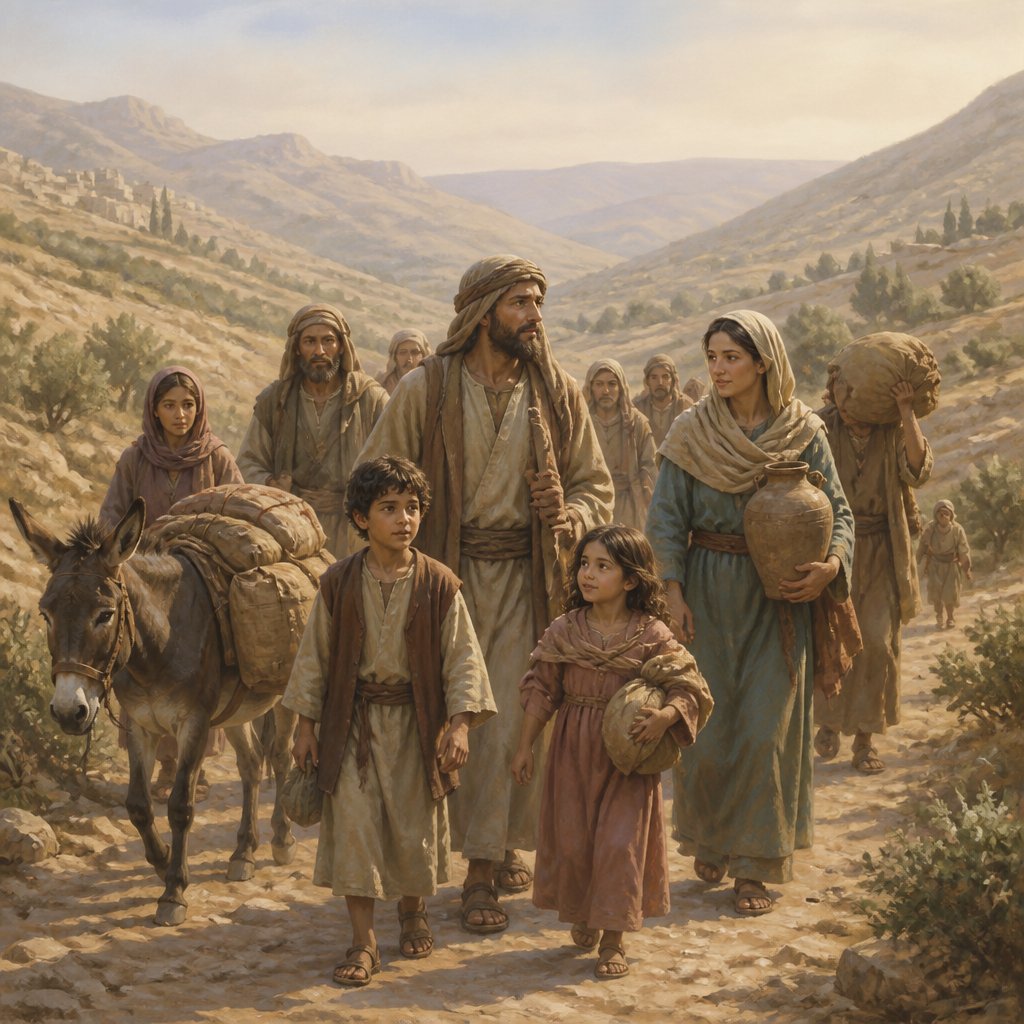
The verse Ezra 2:26, which states, "The children of Ramah and Gaba, six hundred twenty and one," is a seemingly simple census record, yet within these numbers lies a profound testament to the journey of identity, restoration, and the faithfulness of God. This verse, nestled within the historical narrative of the post-exilic period, captures a moment of transition for the people of Israel who returned to their homeland after decades of captivity in Babylon. To extract deeper meaning from this passage, we'll explore the significance of Ramah and Gaba, the experiences of the Israelites, and the broader implications of community and belonging.
**The Significance of Ramah and Gaba**
Ramah and Gaba were towns situated north of Jerusalem, key locations in the territory of Benjamin. The mention of these specific places in the context of the returning exiles highlights the importance of the homeland for the Israelites, which was steeped in their identity and covenant with God. Each family unit represented in this verse stood not just as a demographic number but as a narrative of hope, survival, and divine promise. Through restoration, these towns signified the geographical and spiritual return home, embodying God’s promise to bring His people back from exile and to restore their fortunes.
**A Journey of Identity**
The number “six hundred twenty and one” represents the collective identity of a community reborn. Each individual counted was part of a larger story—a tapestry woven throughout generations. The returnees were not merely reclaiming land; they were reclaiming their heritage and faith. For many, returning to Ramah and Gaba meant re-establishing their identities as Israelites, descendants of Abraham, Isaac, and Jacob, fulfilling the prophesy that they would return to their land after the exile. In this way, the entire act of returning was not just physical but deeply rooted in spiritual awakening and remembrance.
**Restoration and Community**
In the aftermath of the Babylonian captivity, the return to Jerusalem marked a critical juncture for the Israelites. Starting anew after years of oppression necessitated not just individual resolve but a united effort—reinforcing the importance of community in the life of faith. Ramah and Gaba serve as reminders of how communities can be forged in resilience and faithfulness. The Israelites, once scattered and subdued, began to see the beauty of togetherness as they rebuilt their temples, homes, and civil life.
**Faithful in the Midst of History**
The passage draws attention to the faithfulness of God amid historical upheaval. As the Israelites crossed the threshold from despair to hope, it is crucial to remember that every return was significant, every number counted, and every individual mattered in the eyes of God. Ezra’s record-keeping underscores God’s meticulous care for His people; He knows their names, their families, and their struggles. Each exile who returned represented a life turned around—a demonstration of God's fidelity to His covenant.
**Prayer and Reflection**
As we meditate on Ezra 2:26, let us reflect on our own communal ties and our respective journeys. Are there parts of our identities that require restoration? What communities do we belong to, and how can we contribute to their healing and growth? We can pray for unity, much like the exiles returning to Ramah and Gaba, and seek to build a community that fosters love, forgiveness, and inclusivity. Let us be reminded that we are part of a larger story—each of us plays a crucial role in the faith journey of our families, communities, and the Church. In our individual journeys, as scattered as we may sometimes feel, God consistently calls us back into a community that loves and supports us.
**Conclusion**
In closing, Ezra 2:26 challenges us to consider our identity, our journey back from various forms of captivity, and our role within our communities. May we learn from the returnees of Ramah and Gaba, embracing the call to rebuild our lives and homes in faith, hope, and love.
Want to reflect more on Ezra 2:26?
Continue your spiritual journey with Bible Chat — an AI-powered tool for exploring God's Word through conversation. Ask questions, discover connections, and deepen your understanding.
Get Our Apps


Ezra 2:26 Artwork

Ezra 2:26 - "The children of Ramah and Gaba, six hundred twenty and one."
"The children of Ramah and Gaba, six hundred twenty and one." - Ezra 2:26

Ezra 2:6 - "The children of Pahath-moab, of the children of Jeshua and Joab, two thousand eight hundred and twelve."

Ezra 10:26 - "And of the sons of Elam; Mattaniah, Zechariah, and Jehiel, and Abdi, and Jeremoth, and Eliah."

Nehemiah 12:26 - "These were in the days of Joiakim the son of Jeshua, the son of Jozadak, and in the days of Nehemiah the governor, and of Ezra the priest, the scribe."

Ezra 3:2

Ezra 3:2

Ezra 3:2
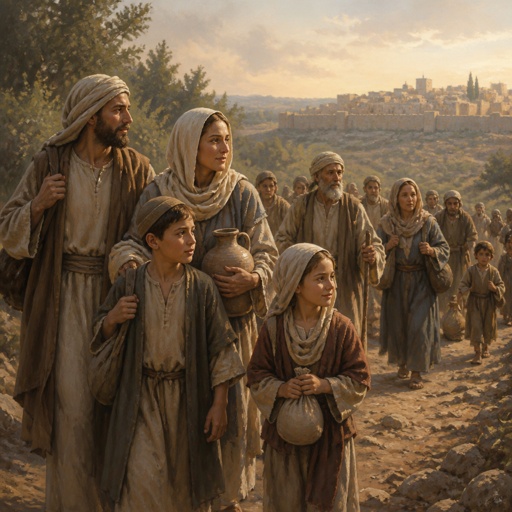
"The children of Pahath-moab, of the children of Jeshua and Joab, two thousand eight hundred and twelve." - Ezra 2:6

Ezra 8:26 - "I even weighed unto their hand six hundred and fifty talents of silver, and silver vessels an hundred talents, and of gold an hundred talents;"

Ezra 3:2

Ezra 3:2

"And of the sons of Elam; Mattaniah, Zechariah, and Jehiel, and Abdi, and Jeremoth, and Eliah." - Ezra 10:26

Ezra 9:1-2

Zerubbabel in Ezra chapter 2

Ezra 7:26 - "And whosoever will not do the law of thy God, and the law of the king, let judgment be executed speedily upon him, whether it be unto death, or to banishment, or to confiscation of goods, or to imprisonment."

Ezra 2:22 - "The men of Netophah, fifty and six."
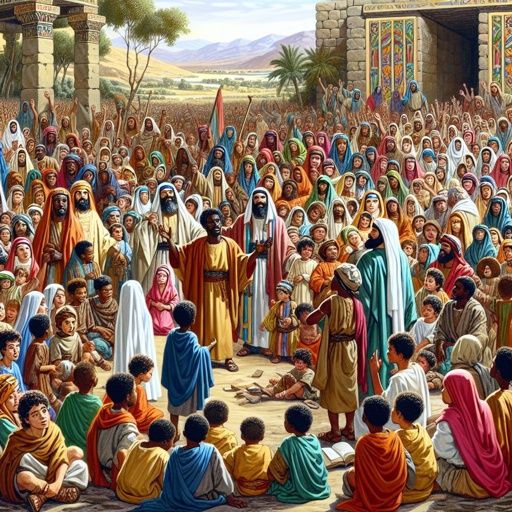
Ezra 2:18 - "The children of Jorah, an hundred and twelve."

Ezra 2:54 - "The children of Neziah, the children of Hatipha."

Ezra 2:20 - "The children of Gibbar, ninety and five."

Ezra 2:24 - "The children of Azmaveth, forty and two."

Ezra 2:39 - "The children of Harim, a thousand and seventeen."

Ezra 9:1-2

Ezra 2:29 - "The children of Nebo, fifty and two."

Ezra 2:9 - "The children of Zaccai, seven hundred and threescore."

Ezra 2:27 - "The men of Michmas, an hundred twenty and two."

Ezra 2:37 - "The children of Immer, a thousand fifty and two."

Ezra 2:32 - "The children of Harim, three hundred and twenty."

Ezra 2:30 - "The children of Magbish, an hundred fifty and six."

Ezra 2:16 - "The children of Ater of Hezekiah, ninety and eight."