The Forgotten Names: Lessons from Ezra 2:22
"The men of Netophah, fifty and six." - Ezra 2:22
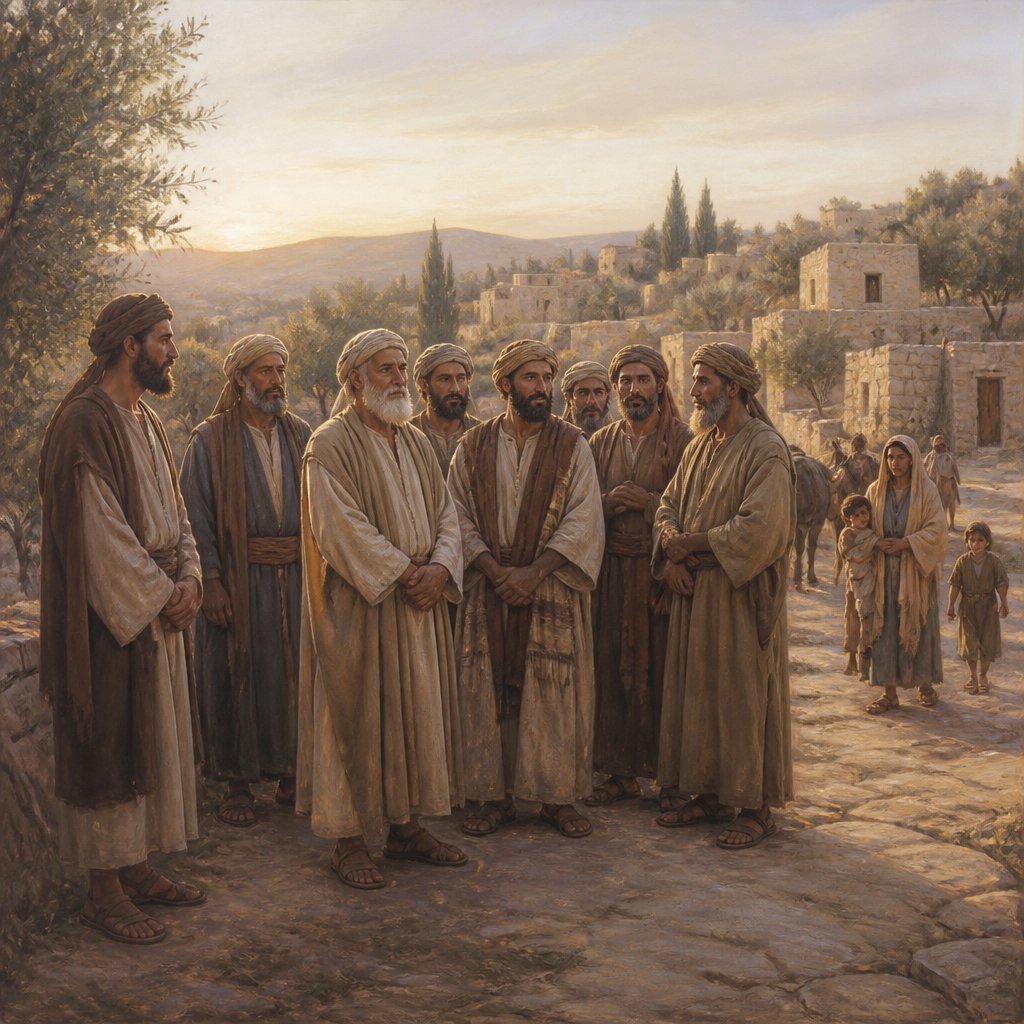
As we open the pages of the Book of Ezra, we find ourselves amidst the majestic unfolding of God’s promise to His people. Ezra is not merely a historical account; it is a beacon of hope and restoration for the people of Israel after years of exile. In Ezra 2:22, we encounter a seemingly mundane detail: "The men of Netophah, fifty and six." At first glance, this verse appears to be a simple count of those who returned from Babylon to Jerusalem, but within it lie profound lessons about identity, community, and the divine orchestration of our lives.
**The Significance of the Count**
The number "fifty and six" is not just a random tally; it represents lives, families, and individual stories of resilience amidst hardship. In the ancient Jewish culture, a name was significant—it could convey a lineage, a legacy, or a specific divine purpose. When the Israelites returned from captivity, they brought with them not only the physical remnants of their history but the weight of their names, their identities, and the hope for a future. While the men of Netophah may seem like a small group, their contribution to the restoration of Jerusalem cannot be understated. They represented a remnant—a people willing to rebuild their homeland and faith in the face of overwhelming odds.
**God Knows Our Names**
In a world that often seeks to erase individuality, this passage reminds us that God knows our names, our struggles, and our contributions, no matter how seemingly insignificant they may appear to the world. Each name listed in Ezra 2 is a testament to God’s faithfulness. Just as the men of Netophah were important in the eyes of God, so are we. He has called us by name (Isaiah 43:1), and in our unique identities, we have a significant role to play in His master plan.
**Restoration and Community**
The act of returning to Jerusalem also speaks volumes about the concept of community and shared purpose. The men of Netophah did not return alone; they returned as a part of a larger body of believers committed to rebuild the temple and restore worship in Israel. They joined forces with others who've also responded to God’s call, emphasizing the importance of community in our spiritual journeys. It illustrates how God takes our efforts—small or great—and weaves them into a broader tapestry of His divine purpose. In our own congregations and communities, we must remember the collective strength that comes from unity in Christ.
**Stepping Forward**
Every mention of people returning to Jerusalem serves as a challenge to us. What does it look like for us to return to our own "Jerusalem"? As believers, we are called to the task of spiritual restoration within our hearts and communities. The men of Netophah highlight that even the smallest groups have a vital role in fulfilling God’s mission. After all, God often uses the remnant to accomplish remarkable things.
**A Call to Action**
In light of Ezra 2:22, let us reflect on our own lives. Are there areas where we feel insignificant or overlooked? Are we feeling disconnected from our community? The return of the men of Netophah reminds us that every contribution counts, no matter how small. Let us embrace our identity as part of the body of Christ and take steps forward in faith, trusting that God will use our efforts for His glory.
In conclusion, Ezra 2:22 conveys more than just a numerical value; it encapsulates a story of revival, identity, and the importance of every believer's contribution. We may not all be named in the annals of history, but God sees us, knows us, and calls us by name. Like the men of Netophah, we are invited to take our place in God’s redemptive story—each step, no matter how small, brings us closer to the fulfillment of His promises.
Want to reflect more on Ezra 2:22?
Continue your spiritual journey with Bible Chat — an AI-powered tool for exploring God's Word through conversation. Ask questions, discover connections, and deepen your understanding.
Get Our Apps


Ezra 2:22 Artwork

Ezra 2:22 - "The men of Netophah, fifty and six."
"The men of Netophah, fifty and six." - Ezra 2:22

Ezra 2:2 - "Which came with Zerubbabel: Jeshua, Nehemiah, Seraiah, Reelaiah, Mordecai, Bilshan, Mispar, Bigvai, Rehum, Baanah. The number of the men of the people of Israel:"

Ezra 10:22 - "And of the sons of Pashur; Elioenai, Maaseiah, Ishmael, Nethaneel, Jozabad, and Elasah."

Ezra 4:22 - "Take heed now that ye fail not to do this: why should damage grow to the hurt of the kings?"

Ezra 3:2

Ezra 3:2

Ezra 3:2

Ezra 3:2

Ezra 3:2

Ezra 9:1-2

Zerubbabel in Ezra chapter 2
Ezra 2:18 - "The children of Jorah, an hundred and twelve."

Ezra 2:54 - "The children of Neziah, the children of Hatipha."

Ezra 2:20 - "The children of Gibbar, ninety and five."

Ezra 2:24 - "The children of Azmaveth, forty and two."

Ezra 2:39 - "The children of Harim, a thousand and seventeen."

Ezra 9:1-2
"And of the sons of Pashur; Elioenai, Maaseiah, Ishmael, Nethaneel, Jozabad, and Elasah." - Ezra 10:22

Ezra 2:9 - "The children of Zaccai, seven hundred and threescore."

Ezra 2:27 - "The men of Michmas, an hundred twenty and two."

Ezra 2:29 - "The children of Nebo, fifty and two."

Ezra 7:22 - "Unto an hundred talents of silver, and to an hundred measures of wheat, and to an hundred baths of wine, and to an hundred baths of oil, and salt without prescribing how much."

Ezra 2:56 - "The children of Jaalah, the children of Darkon, the children of Giddel,"

Ezra 2:11 - "The children of Bebai, six hundred twenty and three."

Ezra 2:53 - "The children of Barkos, the children of Sisera, the children of Thamah,"

Ezra 2:48 - "The children of Rezin, the children of Nekoda, the children of Gazzam,"

Ezra 2:15 - "The children of Adin, four hundred fifty and four."

Ezra 7:2 - "The son of Shallum, the son of Zadok, the son of Ahitub,"

Ezra 2:21 - "The children of Beth-lehem, an hundred twenty and three."