The Counting of His People: A Devotional on Ezra 2:20
"The children of Gibbar, ninety and five." - Ezra 2:20
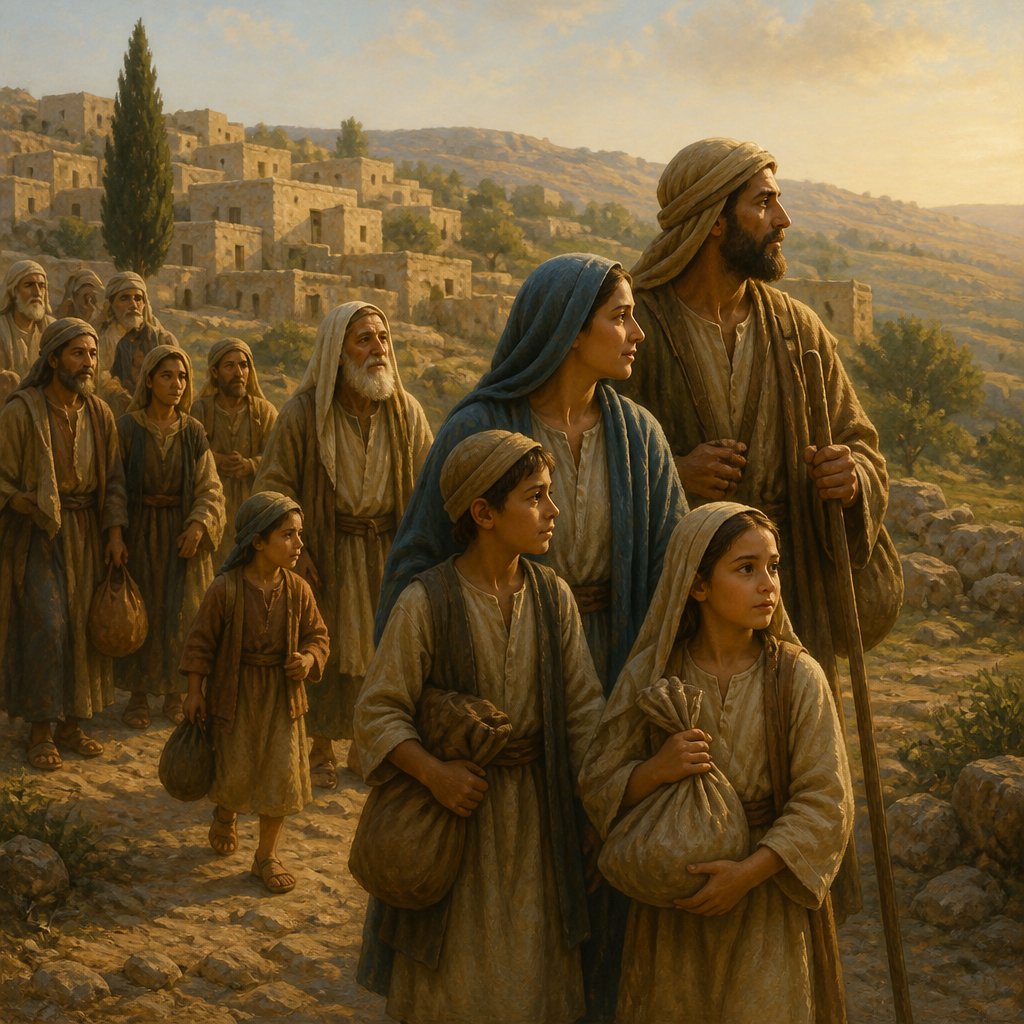
As we turn our hearts to the book of Ezra, we are drawn into a narrative of restoration and return, a theme that resonates profoundly in our own lives. Today, we ponder Ezra 2:20, which reads, "The children of Gibbar, ninety and five." At first glance, this passage might seem like a simple census record, a detailed account of those who returned to Jerusalem after exile. Yet, woven within this seemingly mundane number is a rich landscape of meaning, identity, and God’s faithfulness.
The children of Gibbar, being noted specifically, reminds us that every individual counts in the eyes of God. In a world that often measures worth by success, status, and productivity, the Bible offers a different perspective. The fact that God recorded the number of the children of Gibbar implies that their presence was significant, not just to the historical narrative, but within God’s divine plan for restoration. Think about the reality that even seemingly insignificant lives are known and valued by God. He sees our struggles, triumphs, and everything in between.
In biblical times, genealogies were essential; they defined identity and belonging. Ezra, a priest and scribe, was a leader in bringing people back to Jerusalem, and part of his mission involved reestablishing the identity of God’s people. The children of Gibbar were part of a larger community, a remnant designed to fulfill God's promise of restoration to Israel. This reminds us that God is a God of community. He does not call us to live solitary lives; instead, He invites us into fellowship with others who share in the journey of faith.
Furthermore, the number, ninety-five, might seem arbitrary until we understand its implications in the grand story of God’s provision. In the context of scripture, numbers often hold spiritual significance. The number five, for instance, can symbolize grace, and when multiplied by a factor of nineteen, it can represent God's hand of grace extended over a community. In returning, the children of Gibbar were not just reclaiming a land; they were reclaiming their identity as a people redeemed by God’s grace. This gives us pause to reflect on our own lives: What does it mean for us to be part of a community restored by divine grace? How do we recognize grace in our “number” — our unique contributions and roles in our churches and families?
We also can glean insights into the resolve and hope of the returning exiles. This was a challenging journey filled with opposition and uncertainty. Yet they marched back towards their homeland, counting not just on the physical realm but on the reality of God’s promise. This act of returning required faith, commitment, and a vision for the future. Similarly, when we feel lost or exiled in our spiritual lives, it is faith that allows us to return. We must muster the courage to rejoin the family of believers and seek God’s will for our lives.
In our own contemporary context, how do we count the children of Gibbar among us? Who are the individuals in our community that may feel overlooked or undervalued? As we nurture community, we must actively seek to recognize and lift up those who carry their own stories of exile, returning to the fold of God’s love.
In conclusion, Ezra 2:20, while it may appear to be a mere historical account at first, is rich with insight into God’s character and His plans for His people. It invites us to acknowledge the importance of each individual in God’s kingdom, to embrace our collective journey back to grace, and to cherish the community we build as we live out our faith. May we always remember: each number represents a life that matters to God.
Want to reflect more on Ezra 2:20?
Continue your spiritual journey with Bible Chat — an AI-powered tool for exploring God's Word through conversation. Ask questions, discover connections, and deepen your understanding.
Get Our Apps


Ezra 2:20 Artwork

Ezra 2:20 - "The children of Gibbar, ninety and five."
"The children of Gibbar, ninety and five." - Ezra 2:20

Ezra 10:20 - "And of the sons of Immer; Hanani, and Zebadiah."
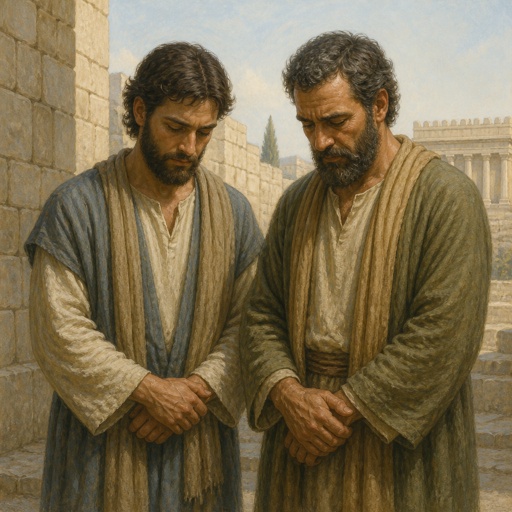
"And of the sons of Immer; Hanani, and Zebadiah." - Ezra 10:20

Ezra 3:2

Ezra 3:2

Ezra 3:2

Ezra 3:2

Ezra 3:2

Ezra 9:1-2

Zerubbabel in Ezra chapter 2

Ezra 2:22 - "The men of Netophah, fifty and six."
Ezra 2:18 - "The children of Jorah, an hundred and twelve."

Ezra 2:54 - "The children of Neziah, the children of Hatipha."

Ezra 2:24 - "The children of Azmaveth, forty and two."

Ezra 2:39 - "The children of Harim, a thousand and seventeen."

Ezra 9:1-2

Ezra 2:29 - "The children of Nebo, fifty and two."

Ezra 2:9 - "The children of Zaccai, seven hundred and threescore."

Ezra 2:27 - "The men of Michmas, an hundred twenty and two."
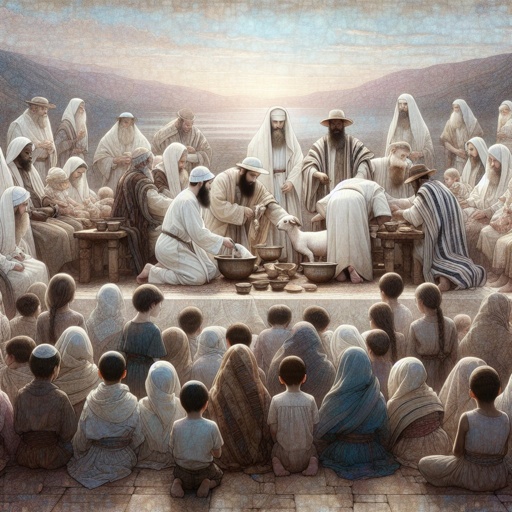
Ezra 6:20 - "For the priests and the Levites were purified together, all of them were pure, and killed the passover for all the children of the captivity, and for their brethren the priests, and for themselves."

Ezra 7:20 - "And whatsoever more shall be needful for the house of thy God, which thou shalt have occasion to bestow, bestow it out of the king's treasure house."

Ezra 8:20 - "Also of the Nethinims, whom David and the princes had appointed for the service of the Levites, two hundred and twenty Nethinims: all of them were expressed by name."

Ezra 2:37 - "The children of Immer, a thousand fifty and two."

Ezra 2:32 - "The children of Harim, three hundred and twenty."

Ezra 2:30 - "The children of Magbish, an hundred fifty and six."

Ezra 2:16 - "The children of Ater of Hezekiah, ninety and eight."

Ezra 2:23 - "The men of Anathoth, an hundred twenty and eight."

Ezra 2:56 - "The children of Jaalah, the children of Darkon, the children of Giddel,"

Ezra 2:11 - "The children of Bebai, six hundred twenty and three."