The Hidden Legacy: Lessons from the Children of Bebai
"The children of Bebai, six hundred twenty and three." - Ezra 2:11

As we turn our attention to the book of Ezra, particularly Ezra 2:11—a verse that might easily be overlooked due to its seemingly mundane listing of names and numbers—we find a profound reminder of God’s faithfulness and the legacy of His people. The verse states, "The children of Bebai, six hundred twenty and three." At first glance, this verse appears to be merely a part of the genealogical record, part of the census taken of those returning from Babylonian exile. Yet, within its simplicity lies a deeper significance worth exploring.
To begin with, it is important to understand the context of Ezra’s narrative. The return from exile was not merely a physical journey back to Jerusalem; it was a spiritual awakening and a restoration of identity for the people of Israel. For over seventy years, they had been in Babylon, away from their homeland, their temple, and their God. This long period of exile had caused them to grapple with their identity as God’s chosen people. However, when the decree was made by King Cyrus for the exiled to return, it represented not just a geographical shift but a divinely orchestrated opportunity for redemption, reconciliation, and revival.
Ezra 2:11 mentions the children of Bebai specifically, and their number—six hundred twenty and three—reminds us that no detail is too small for God’s plan. Each name, each family, represents a life, a story filled with both trials and triumphs. It speaks of a community—people who endured hardship yet remained faithful through an overwhelming time of transition.
As we meditate on the figure of six hundred twenty and three, we can reflect on the importance of community. In our walk with God, we are not solitary travelers; we are part of a larger body, the Church, which is called to support one another in faith. Each individual in that count had a role, a purpose assigned by God, just as we do today. God sees each of us, not in isolation, but as part of His faithful remnant. Each family, represented in this list, showcases that even in exile, God's plan was still in motion.
Moreover, this verse focuses on the descendants—the children of Bebai—reminding us of the importance of generational legacy. Christian faith is inherently intergenerational. It is a faith to be passed down, nurtured, and grown within every home and family. With each generation, we are called to instill God’s truths, past down the stories of faithfulness, obedience, and deliverance. As we reflect on our own families and the legacies we are creating, are we setting the foundation for a faith that will extend beyond our own lives?
Additionally, let’s delve deeper into the name "Bebai." Names in scripture are often rich with meaning, and examining the root could yield significant insights. The name Bebai can symbolize the one who has been liberated, stemming from a theme throughout the scriptures where God reminds His people that He is a God of freedom. The very act of returning to take possession of the promised land was a revival of that freedom, during which the Israelites could bask in their divinely ordained identities once again.
As we meditate on Ezra 2:11, let us be reminded of our call to remember our roots, to cherish the legacy of faith handed down to us, and to uphold the communal aspect of our journey with Christ. May we take to heart the call to freedom, restored identity, and the vital importance of community, as we navigate our own spiritual journeys. Like the children of Bebai, let us count ourselves among those who have been called, not simply to survive, but to thrive and flourish in the identity bestowed upon us by our Creator.
Want to reflect more on Ezra 2:11?
Continue your spiritual journey with Bible Chat — an AI-powered tool for exploring God's Word through conversation. Ask questions, discover connections, and deepen your understanding.
Get Our Apps


Ezra 2:11 Artwork

Ezra 2:11 - "The children of Bebai, six hundred twenty and three."

"The children of Bebai, six hundred twenty and three." - Ezra 2:11

Ezra 7:11 - "¶ Now this is the copy of the letter that the king Artaxerxes gave unto Ezra the priest, the scribe, even a scribe of the words of the commandments of the LORD, and of his statutes to Israel."

Ezra 3:2

Ezra 3:2

Ezra 3:2

Ezra 8:11 - "And of the sons of Bebai; Zechariah the son of Bebai, and with him twenty and eight males."

Ezra 3:2

Ezra 3:2

Ezra 3:11 – "With praise and thanksgiving they sang to the Lord: 'He is good; his love toward Israel endures forever.'"

Ezra 9:1-2

Zerubbabel in Ezra chapter 2

Ezra 2:22 - "The men of Netophah, fifty and six."
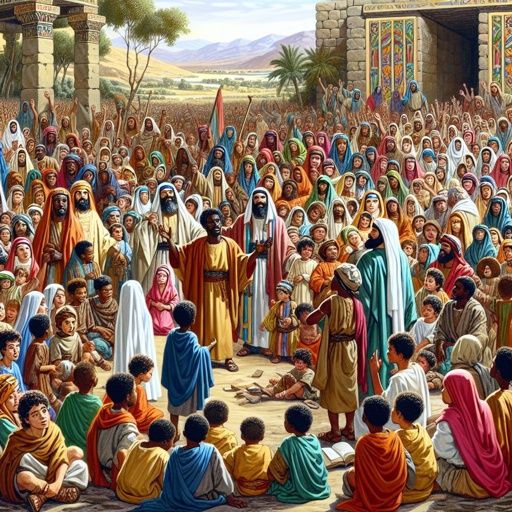
Ezra 2:18 - "The children of Jorah, an hundred and twelve."

Ezra 2:54 - "The children of Neziah, the children of Hatipha."

Ezra 2:20 - "The children of Gibbar, ninety and five."

Ezra 2:24 - "The children of Azmaveth, forty and two."

Ezra 2:39 - "The children of Harim, a thousand and seventeen."

Ezra 9:1-2

Ezra 2:29 - "The children of Nebo, fifty and two."

Ezra 2:9 - "The children of Zaccai, seven hundred and threescore."

Ezra 2:27 - "The men of Michmas, an hundred twenty and two."

Ezra 2:37 - "The children of Immer, a thousand fifty and two."

Ezra 2:32 - "The children of Harim, three hundred and twenty."

Ezra 2:30 - "The children of Magbish, an hundred fifty and six."

Ezra 2:16 - "The children of Ater of Hezekiah, ninety and eight."

Ezra 2:23 - "The men of Anathoth, an hundred twenty and eight."

Ezra 2:56 - "The children of Jaalah, the children of Darkon, the children of Giddel,"

Ezra 2:53 - "The children of Barkos, the children of Sisera, the children of Thamah,"

Ezra 2:45 - "The children of Lebanah, the children of Hagabah, the children of Akkub,"