The Gift of Names: Understanding Our Heritage in Christ
"Of the sons of Hashum; Mattenai, Mattathah, Zabad, Eliphelet, Jeremai, Manasseh, and Shimei." - Ezra 10:33
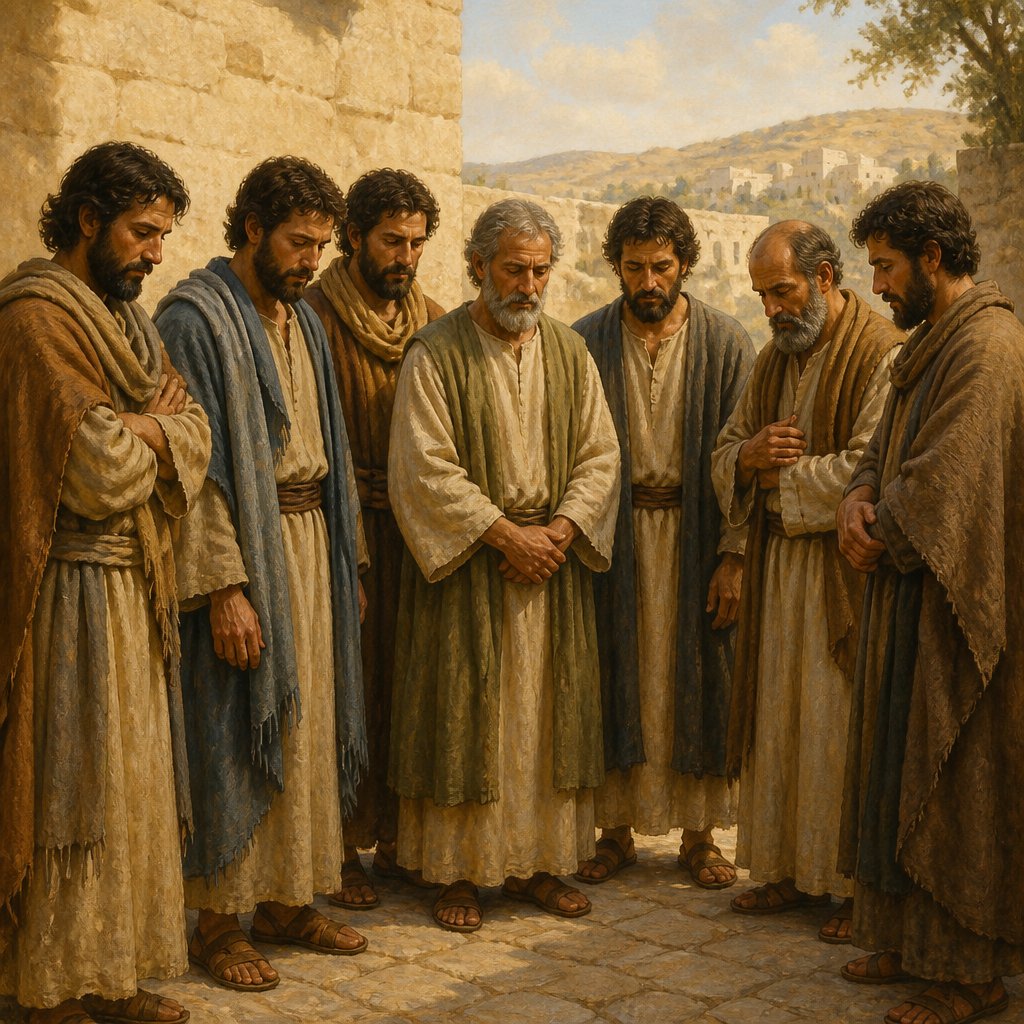
As we delve into the inspired pages of scripture, we often encounter lists of names that can sometimes feel tedious or irrelevant. However, every name mentioned in the Bible carries weight, history, and purpose, particularly as we reflect on the verse from Ezra 10:33—"Of the sons of Hashum; Mattenai, Mattathah, Zabad, Eliphelet, Jeremai, Manasseh, and Shimei."
In this context, Ezra is chronicling the return of the Israelites from Babylonian exile, and the names he lists are part of a broader effort to restore the identity and worship of the people of God. Each name represents not just an individual but a legacy, a family lineage that had endured through hardship. To those who read this text in its original context, these names signified hope and a reestablishment of community.
Take a moment to consider the significance of naming. Names often reflect who we are, our families, our cultures, and our histories. In many ways, names carry stories of our past while also shaping our future. For the sons of Hashum, their lineage was steeped in struggle and redemption. What might their stories teach us about perseverance and faithfulness?
The act of recalling these names serves as a reminder that God works through people. The Israelites had disobeyed God, leading to their exile, yet they were not lost forever. Upon their return, they were reconnected with their past, and it was through these names that they could trace their journey back to God. God's faithfulness endured, and through this intertwining of names and faith, the people reclaimed their identity as His chosen.
As we reflect on the names listed, we can think of the significance of each one representing distinct traits and attributes. Mattenai, which some interpretations suggest means “gift of God,” serves as a reminder of God's grace and provision in our lives. Each name can elicit different reflections on how God delights in gifting His children, emphasizing that every individual is known and cherished by Him.
In our modern context, we too might consider the roles of our own names. What stories do our names tell? They may represent our parental heritage, our cultural backgrounds, or perhaps a family trait that we carry forward. In a world that often seeks to fragment identity, recognizing our individual and familial roots can anchor us deeply in who we are in Christ.
Furthermore, in the grand story of salvation, every believer becomes part of a lineage that goes beyond the physical. Hebrews 12:1 encourages us by stating, "Wherefore seeing we also are compassed about with so great a cloud of witnesses, let us lay aside every weight, and the sin which doth so easily beset us, and let us run with patience the race that is set before us." Each of us, regardless of our backgrounds, becomes part of a grand narrative of faith that connects us to a larger community—the body of Christ.
In moments where we feel lost or disconnected, we must remember we belong to a greater story, dominated by grace, redemption, and hope. Just as the Israelites emerged from a tumultuous past, we too are called to step into our purpose with confidence. In God's eyes, we are worthy heirs to His kingdom, equipped to carry forth His mission in the world.
As we engage with the names of Ezra 10:33, let us not overlook the 'ordinary' verses of scripture. They serve as powerful reminders that every part of our spiritual heritage is valuable. Together, these names encourage us to recognize our own story, entwined with countless others who have walked in faith, striving for a future aligned with divine purpose. In today’s prayer, let’s thank God for our legacies and ask for strength to carry our identity forward in faith, recognizing the communal love we share in Him.
Want to reflect more on Ezra 10:33?
Continue your spiritual journey with Bible Chat — an AI-powered tool for exploring God's Word through conversation. Ask questions, discover connections, and deepen your understanding.
Get Our Apps


Ezra 10:33 Artwork

Ezra 10:33 - "Of the sons of Hashum; Mattenai, Mattathah, Zabad, Eliphelet, Jeremai, Manasseh, and Shimei."
"Of the sons of Hashum; Mattenai, Mattathah, Zabad, Eliphelet, Jeremai, Manasseh, and Shimei." - Ezra 10:33

Nehemiah 12:33 - "And Azariah, Ezra, and Meshullam,"

"And Azariah, Ezra, and Meshullam," - Nehemiah 12:33
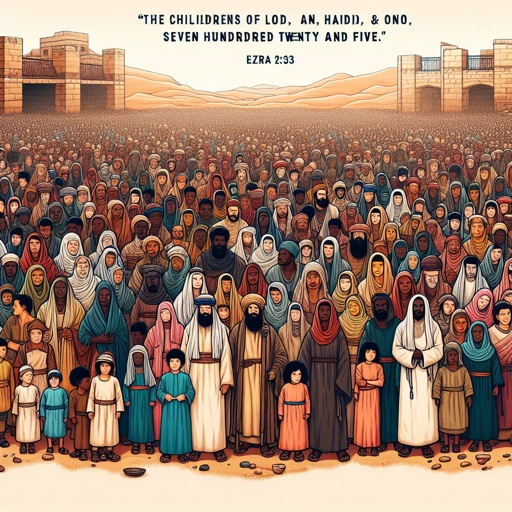
Ezra 2:33 - "The children of Lod, Hadid, and Ono, seven hundred twenty and five."

Ezra 10:10-12

Ezra 10:10 - "And Ezra the priest stood up, and said unto them, Ye have transgressed, and have taken strange wives, to increase the trespass of Israel."

Ezra 10:3

Ezra 3:10

Ezra 10:3

Ezra 10:5 - "Then arose Ezra, and made the chief priests, the Levites, and all Israel, to swear that they should do according to this word. And they sware."

Ezra 7:10 - "For Ezra had prepared his heart to seek the law of the LORD, and to do it, and to teach in Israel statutes and judgments."

Ezra 10:38 - "And Bani, and Binnui, Shimei,"

Ezra 10:37 - "Mattaniah, Mattenai, and Jaasau,"

Ezra 10:40 - "Machnadebai, Shashai, Sharai,"

Ezra 10:32 - "Benjamin, Malluch, and Shemariah."

Ezra 10:36 - "Vaniah, Meremoth, Eliashib,"

Ezra 10:35 - "Benaiah, Bedeiah, Chelluh,"

Ezra 10:42 - "Shallum, Amariah, and Joseph."

Ezra 10:41 - "Azareel, and Shelemiah, Shemariah,"

Ezra 10:39 - "And Shelemiah, and Nathan, and Adaiah,"

Ezra 10:20 - "And of the sons of Immer; Hanani, and Zebadiah."

Ezra 10:34 - "Of the sons of Bani; Maadai, Amram, and Uel,"
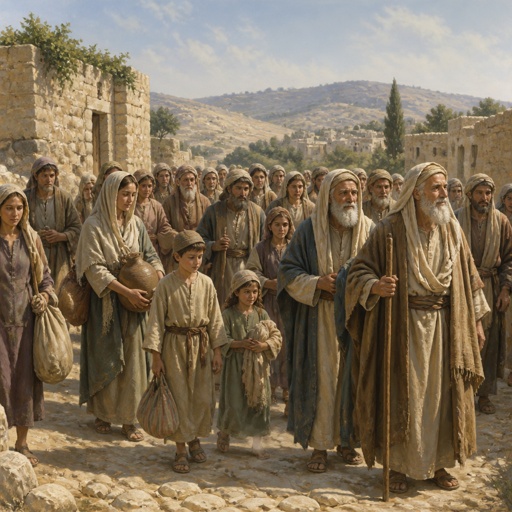
"The children of Lod, Hadid, and Ono, seven hundred twenty and five." - Ezra 2:33

Ezra 2:10 - "The children of Bani, six hundred forty and two."

Ezra 10:21 - "And of the sons of Harim; Maaseiah, and Elijah, and Shemaiah, and Jehiel, and Uzziah."

Ezra 10:24 - "Of the singers also; Eliashib: and of the porters; Shallum, and Telem, and Uri."

Ezra 10:28 - "Of the sons also of Bebai; Jehohanan, Hananiah, Zabbai, and Athlai."

Ezra 10:31 - "And of the sons of Harim; Eliezer, Ishijah, Malchiah, Shemaiah, Shimeon,"

"Azareel, and Shelemiah, Shemariah," - Ezra 10:41