The Call to Confession and Separation: A Journey of Restoration
"Now therefore make confession unto the LORD God of your fathers, and do his pleasure: and separate yourselves from the people of the land, and from the strange wives." - Ezra 10:11
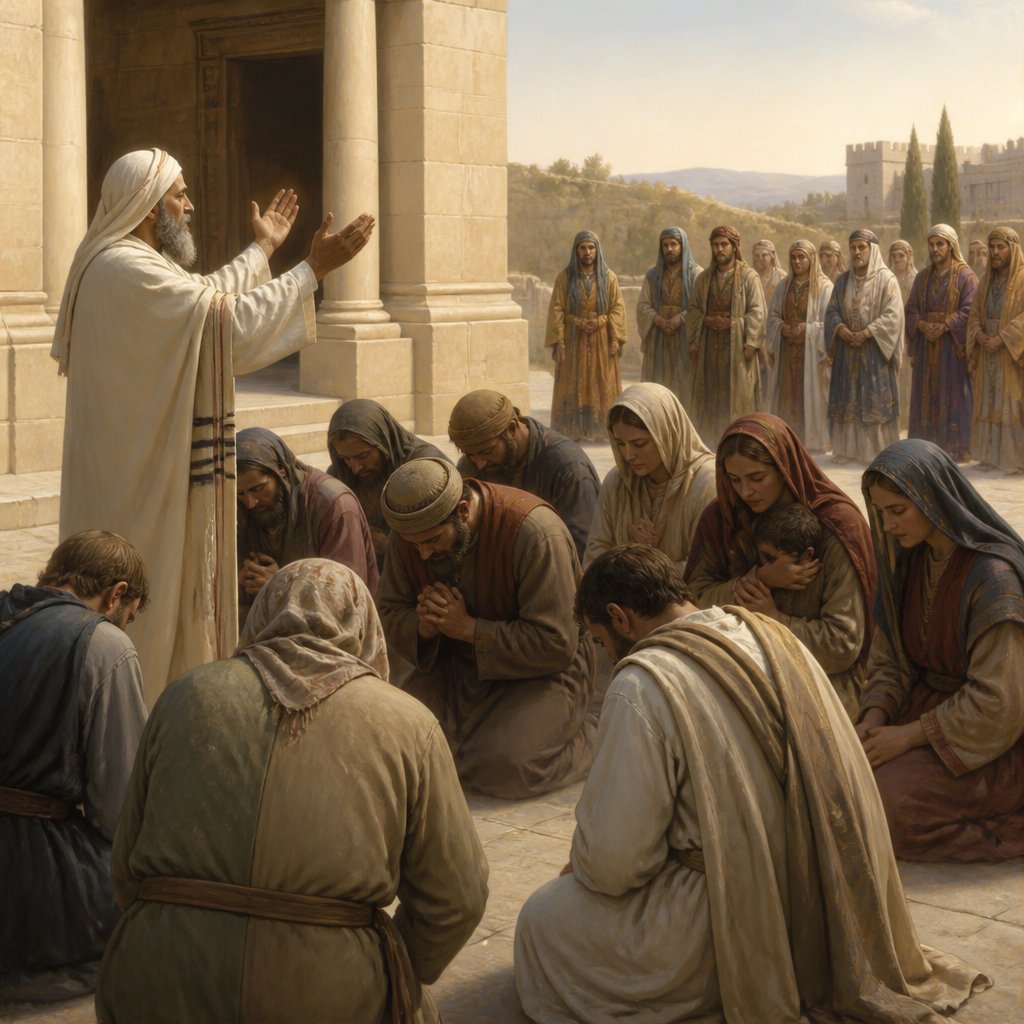
The book of Ezra details a pivotal moment in the history of Israel as they are allowed to return to their homeland after the Babylonian exile. As this community of exiles reassembles, they face the uncomfortable reality of their past mistakes and the challenge of re-establishing their covenant with God. Ezra 10:11 encapsulates the essence of this moment: "Now therefore make confession unto the LORD God of your fathers, and do his pleasure: and separate yourselves from the people of the land, and from the strange wives."
This verse offers rich insight into three key components of spiritual renewal: confession, obedience, and separation. Each aspect is profound and necessary for anyone seeking to deepen their relationship with God and live a life that aligns with His will.
### The Power of Confession
Confession is often the first step towards healing and restoration. The Israelites had intermarried with the surrounding nations, adopting practices that led them away from God. Ezra’s call for confession is a recognition of their sins and failures. The Scripture reminds us in 1 John 1:9 (KJV), "If we confess our sins, he is faithful and just to forgive us our sins, and to cleanse us from all unrighteousness." Confession is not merely an admission of wrongdoing; it is an acknowledgment of our need for God's grace and forgiveness.
For the returning exiles, confessing their sins before God was an essential act of humility and surrender. It required them to confront the uncomfortable truth of their actions and the implications these had on their relationship with God. In our lives, we too must ask ourselves: what do we need to confess? What hidden areas of our hearts are keeping us from being in full fellowship with our God? True confession leads to repentance – a change in our hearts that aligns our desires with the heart of God.
### The Pursuit of Obedience
Ezra instructs the people to not only confess but also to "do his pleasure." This is a clear call to action. It is not enough to simply admit our wrongs; God desires a response from us. Obedience is an integral part of our faith journey. John 14:15 (KJV) teaches, "If ye love me, keep my commandments." Our love for God is evidenced by our willingness to align our actions and choices with His desires.
The Israelites faced the challenging task of uprooting relationships and practices that deviated from God’s commands. This was a radical step that required courage and a deep commitment to God’s covenant. Likewise, what practices or relationships in our lives need to be put aside? Are we brave enough to do what pleases the Lord, even when it entails personal sacrifice?
### The Necessity of Separation
The final part of Ezra 10:11 emphasizes the need for separation from the "people of the land, and from the strange wives." This may seem harsh or extreme, but it underscores the idea that our environment and those we associate with can significantly influence our faith and practice. God’s call to separate is a protective measure. He desires His people to remain focused on Him and not be led astray by the cultural norms and practices of the world.
In today’s context, separation does not mean complete isolation. Rather, it calls us to be discerning about our relationships and influences. The apostle Paul writes in 2 Corinthians 6:14 (KJV), "Be ye not unequally yoked together with unbelievers: for what fellowship hath righteousness with unrighteousness?" Our journey of faith may require us to step back from relationships or influences that compromise our commitment to Christ.
### A Life Transformed through God’s Grace
As we reflect on Ezra 10:11, let us embrace the opportunity for confession, obedience, and separation in our lives. God is a God of restoration and renewal. Every step we take towards Him, even those that feel heavy with conviction, is met with His grace and mercy.
The return of the Israelites is a reminder that it is never too late to turn back to God. His call is always there, inviting us to confess our sins and seek His pleasure. As we enable separation from the influences that derail us, we create space for God’s transformative power to work in our lives. May our journey lead us to a deeper, more profound relationship with our Creator, one characterized by a bold commitment to live in alignment with His will.
Want to reflect more on Ezra 10:11?
Continue your spiritual journey with Bible Chat — an AI-powered tool for exploring God's Word through conversation. Ask questions, discover connections, and deepen your understanding.
Get Our Apps


Ezra 10:11 Artwork
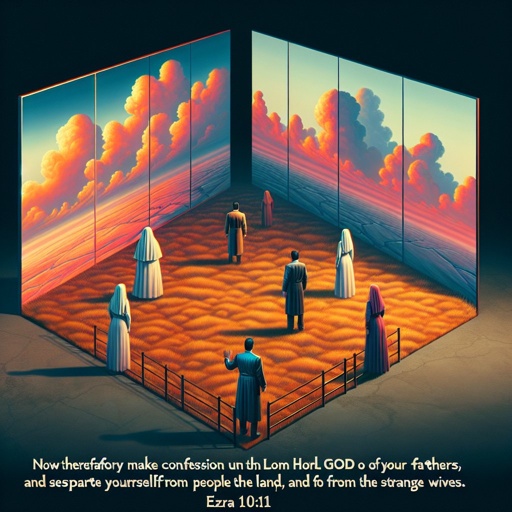
Ezra 10:11 - "Now therefore make confession unto the LORD God of your fathers, and do his pleasure: and separate yourselves from the people of the land, and from the strange wives."
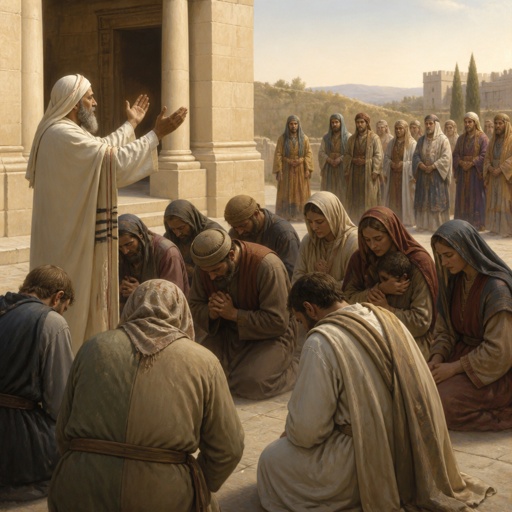
"Now therefore make confession unto the LORD God of your fathers, and do his pleasure: and separate yourselves from the people of the land, and from the strange wives." - Ezra 10:11

Ezra 10:10-12

Ezra 10:10 - "And Ezra the priest stood up, and said unto them, Ye have transgressed, and have taken strange wives, to increase the trespass of Israel."

Ezra 10:3

Ezra 3:10

Ezra 10:3

Ezra 10:5 - "Then arose Ezra, and made the chief priests, the Levites, and all Israel, to swear that they should do according to this word. And they sware."

Ezra 7:10 - "For Ezra had prepared his heart to seek the law of the LORD, and to do it, and to teach in Israel statutes and judgments."

Ezra 10:38 - "And Bani, and Binnui, Shimei,"

Ezra 10:37 - "Mattaniah, Mattenai, and Jaasau,"

Ezra 10:40 - "Machnadebai, Shashai, Sharai,"

Ezra 10:32 - "Benjamin, Malluch, and Shemariah."

Ezra 10:36 - "Vaniah, Meremoth, Eliashib,"

Ezra 10:35 - "Benaiah, Bedeiah, Chelluh,"

Ezra 10:42 - "Shallum, Amariah, and Joseph."

Ezra 10:41 - "Azareel, and Shelemiah, Shemariah,"

Ezra 10:39 - "And Shelemiah, and Nathan, and Adaiah,"

Ezra 10:20 - "And of the sons of Immer; Hanani, and Zebadiah."

Ezra 10:34 - "Of the sons of Bani; Maadai, Amram, and Uel,"

Ezra 7:11 - "¶ Now this is the copy of the letter that the king Artaxerxes gave unto Ezra the priest, the scribe, even a scribe of the words of the commandments of the LORD, and of his statutes to Israel."

Ezra 2:11 - "The children of Bebai, six hundred twenty and three."

Ezra 2:10 - "The children of Bani, six hundred forty and two."

Ezra 10:21 - "And of the sons of Harim; Maaseiah, and Elijah, and Shemaiah, and Jehiel, and Uzziah."

Ezra 10:24 - "Of the singers also; Eliashib: and of the porters; Shallum, and Telem, and Uri."

Ezra 10:28 - "Of the sons also of Bebai; Jehohanan, Hananiah, Zabbai, and Athlai."

Ezra 10:31 - "And of the sons of Harim; Eliezer, Ishijah, Malchiah, Shemaiah, Shimeon,"

"Azareel, and Shelemiah, Shemariah," - Ezra 10:41

"And Bani, and Binnui, Shimei," - Ezra 10:38

"And Shelemiah, and Nathan, and Adaiah," - Ezra 10:39