The Chains of Desire: Aholibah's Lesson
"And when her sister Aholibah saw this, she was more corrupt in her inordinate love than she, and in her whoredoms more than her sister in her whoredoms." - Ezekiel 23:11
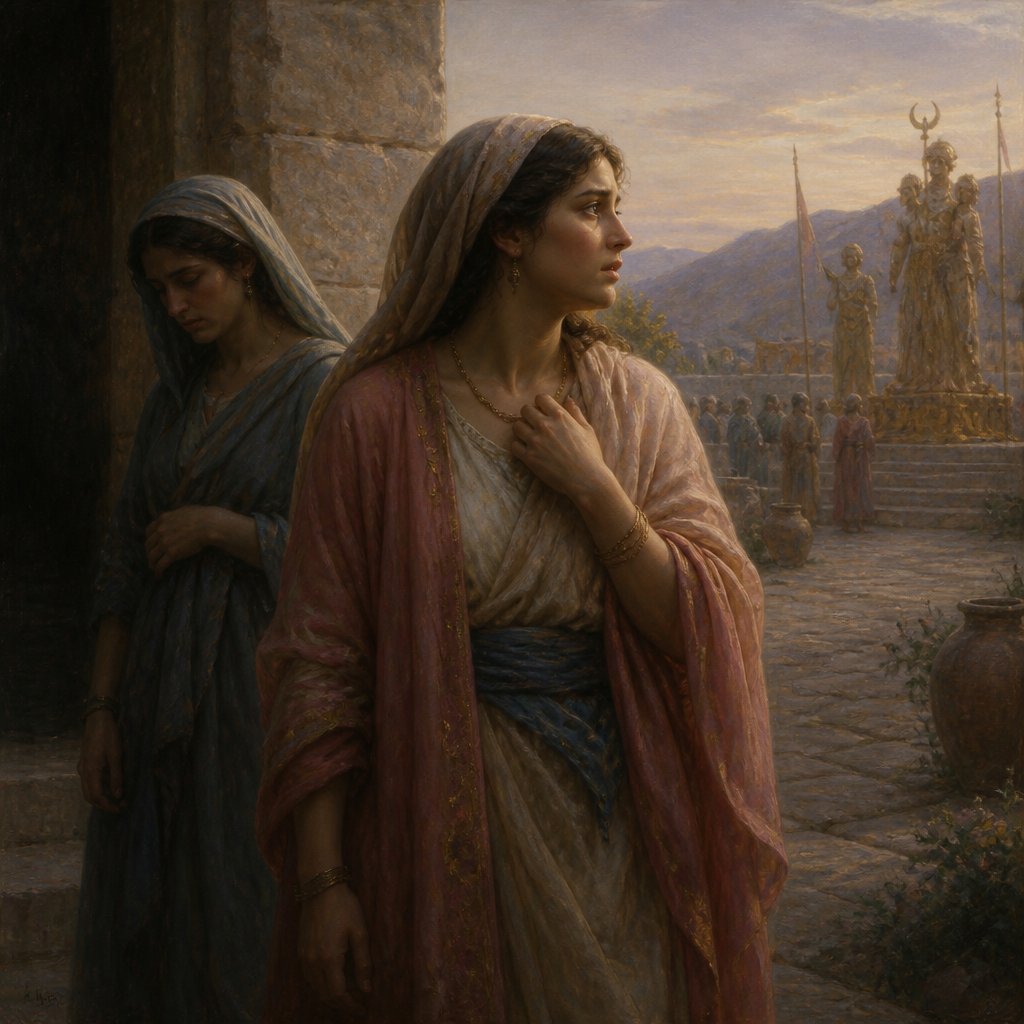
Ezekiel 23:11 from the King James Version (KJV) states, "And when her sister Aholibah saw this, she was more corrupt in her inordinate love than she, and in her whoredoms more than her sister in her whoredoms." At first glance, this verse might seem obscure and laden with archaic terms, but it's crucial to understand the profound implications behind Ezekiel's prophetic message and the broader context of human desire.
In the prophetic imagery crafted by Ezekiel, Aholah and Aholibah represent the cities of Samaria and Jerusalem, respectively, personifying their spiritual states. Aholibah, the sister, is emblematic of Jerusalem's corrupting influences and moral failures, and her inordinate love is a metaphor for misplaced affections—specifically, an excessive desire that leads to sin. Here, "whoredoms" is synonymous with idolatry; Jerusalem, like Aholah, had turned from God to chase after the alluring charms of foreign nations and their gods.
The word "inordinate" stands out as it signifies something that is excessive or uncontrolled, suggesting a passion that spirals beyond its intended bounds. Aholibah’s response to Aholah’s sins showcases a dangerous pattern in human behavior: rather than learning from the mistakes of others, we often succumb to a greater sin. Just as Aholibah saw Aholah's struggle yet chose to delve deeper into sin, we too may find ourselves adopting a similar trajectory when we allow our desires to override discernment.
This verse serves as a stark reminder of the consequences of our choices. The cycle of sin does not merely stop at one act; it begets more sin. In a culture inundated with temptations—be it through media, peer pressure, or prevailing ideologies—we face a continuous battle for our affections. Aholibah’s inordinate love exemplifies how our desires can corrupt not just ourselves but also the loved ones around us. When we prioritize earthly affections or values over our relationship with God, we open ourselves to a downward spiral, affecting our families, communities, and ultimately, our nation.
Consider the application of Aholibah's story in our personal lives. Do we find ourselves enamored with the fleeting pleasures of this world? Are we chasing after things that lead us further away from God? It is easy to spot the sins of others while ignoring our own, as Aholibah did in her reaction to Aholah’s failings. In God’s eyes, however, the condition of our hearts matters profoundly, and He calls us to evaluate our motives.
The solution is not to dwell in guilt or shame, but rather to turn it into an opportunity for spiritual renewal. Just as God expressed concern for both cities through Ezekiel, He is deeply invested in our hearts. He desires that we heed the warning given through Aholibah’s story—a caution against letting our hearts pursue anything that could draw us away from His love.
As we reflect on Ezekiel 23:11, let us pray for wisdom and strength to curb our inordinate desires. Ask the Holy Spirit to illuminate areas where we may be compromising our faith for superficial pleasures. Rather than following Aholibah’s lead into deeper corruption, we should seek to cultivate an informed love—one rooted in spiritual maturity and devotion to God. If we find ourselves in the throes of temptation, remember that we serve a God who redeems, restores, and directs our paths back to His heart.
In conclusion, Aholibah’s story encourages us to embrace the grace of God to break the chains of destructive desires in our lives. May we strive for hearts that are wholly devoted to Him, practicing discernment in every affection we pursue. Let us choose today to turn our inordinate loves into an extraordinary love for our Savior.
Want to reflect more on Ezekiel 23:11?
Continue your spiritual journey with Bible Chat — an AI-powered tool for exploring God's Word through conversation. Ask questions, discover connections, and deepen your understanding.
Get Our Apps


Ezekiel 23:11 Artwork

Ezekiel 23:11 - "And when her sister Aholibah saw this, she was more corrupt in her inordinate love than she, and in her whoredoms more than her sister in her whoredoms."
"And when her sister Aholibah saw this, she was more corrupt in her inordinate love than she, and in her whoredoms more than her sister in her whoredoms." - Ezekiel 23:11

Ezekiel 11:23 - "And the glory of the LORD went up from the midst of the city, and stood upon the mountain which is on the east side of the city."
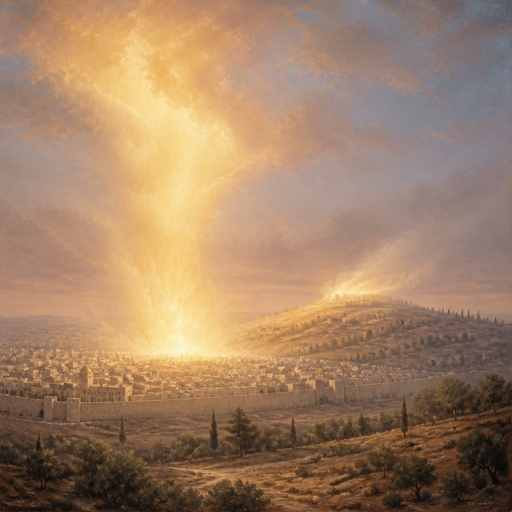
"And the glory of the LORD went up from the midst of the city, and stood upon the mountain which is on the east side of the city." - Ezekiel 11:23

Ezekiel 28:11-19

Ezekiel 28:11-19

Ezekiel 28:11-19

Ezekiel 28:11-19

Ezekiel 41:23 - "And the temple and the sanctuary had two doors."

Ezekiel 28:11-19

Ezekiel 28:11-19

Ezekiel 22:23 - "¶ And the word of the LORD came unto me, saying,"

Ezekiel 33:23 - "Then the word of the LORD came unto me, saying,"

Ezekiel 39:11

Ezekiel 39:11

Ezekiel 23:1 - "The word of the LORD came again unto me, saying,"

Genesis 23:11

luke 11:23

Ezekiel 23:2 - "Son of man, there were two women, the daughters of one mother:"

Ezekiel 23:13 - "Then I saw that she was defiled, that they took both one way,"

luke 11:23

Deuteronomy 11:23

luke 11:23

luke 11:23

Ezekiel 1:10-11

Ezekiel 7:23 - "¶ Make a chain: for the land is full of bloody crimes, and the city is full of violence."

Ezekiel 30:23 - "And I will scatter the Egyptians among the nations, and will disperse them through the countries."

Ezekiel 27:23 - "Haran, and Canneh, and Eden, the merchants of Sheba, Asshur, and Chilmad, were thy merchants."

Song of Solomon 2:3

Ezekiel 11:11 - "This city shall not be your caldron, neither shall ye be the flesh in the midst thereof; but I will judge you in the border of Israel:"