The Weight of Judgment: Understanding Our Heritage
"Wilt thou judge them, son of man, wilt thou judge them? cause them to know the abominations of their fathers:" - Ezekiel 20:4
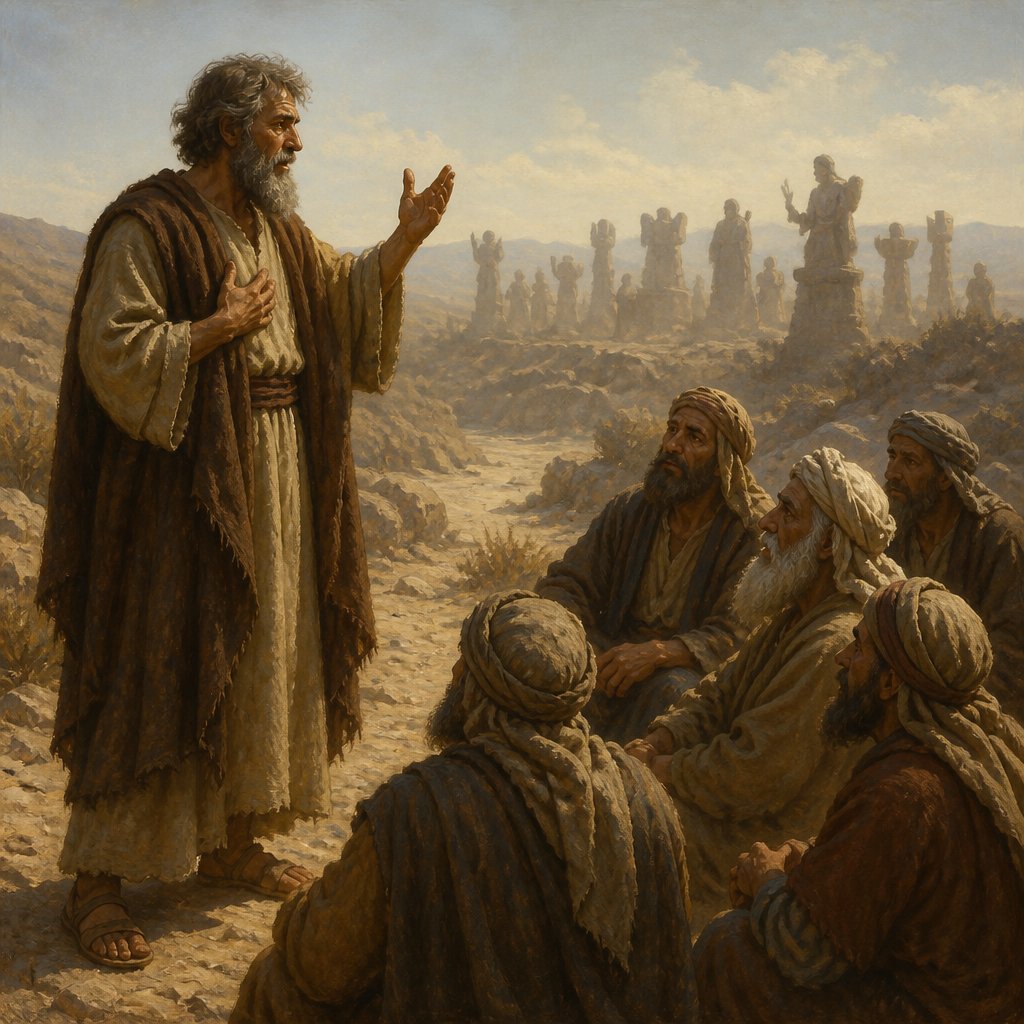
Ezekiel 20:4 states, "Wilt thou judge them, son of man, wilt thou judge them? cause them to know the abominations of their fathers." This verse resonates deeply with the weight of responsibility that rests upon our shoulders as followers of Christ, and it serves as a somber reminder that we must engage with the past—not only our individual journeys but also the collective legacy left by those that came before us.
In the book of Ezekiel, the Israelites are grappling with their history and identity. They have faced exile, devastation, and a series of judgments from God due to their continuous turning away from Him. In this setting, the Lord speaks to Ezekiel, reminding him that his role is more than a mere prophet; he is called to be a judge, not in the conventional sense that brings condemnation, but in a manner that urges understanding and repentance.
From the very beginning, sin has marred the lives of generations, and here, God calls His prophet to assist His people in understanding the consequences of their fathers’ actions—specifically, the abominations that led to their downfall and the painful exile they now faced. As Christians, we too must confront the uncomfortable truth that our spiritual heritage may bear the marks of sin. Each generation inherits not only the blessings of faith, but also the burdens of unresolved conflicts and spiritual complacencies from previous generations.
To "judge" in this context is to discern and to clarify what went wrong, to shine a light on the darkness of past transgressions, and to help others see where they might be walking the same path. The word “judge” can often carry a heavy connotation, filled with a sense of condemnation, but Biblical judgment is fundamentally about restoration and the opportunity for repentance. It is an invitation to turn back to God and be made whole again. This is true grace at work.
As sons and daughters of the King, we must approach this calling with humility and love. If we reflect on our own lives, we can recognize traces of our histories—habits, attitudes, or even beliefs that have been passed down. It may be anger, unforgiveness, complacency, or a lack of faith that has its roots in past generations. Often, we don’t realize how deeply our family narratives shape our own spiritual journeys. This is why it is crucial to uncover the abominations—the things that anger God—that we might be unknowingly perpetuating.
The Bible does not shy away from the hard truths of generational patterns and curses. In Exodus 20:5, we read, "...for I the Lord thy God am a jealous God, visiting the iniquity of the fathers upon the children unto the third and fourth generation of them that hate me." Understanding our heritage is essential to breaking those chains. Recognizing that the sins of our fathers may influence us encourages us to confront these issues rather than shy away from them. We cannot change the past, but through God’s grace, we can change how we move forward.
Judgment here also carries with it a note of hope. Knowing the abominations of our fathers allows us to break free from their chains. It allows communities to engage in healing, as we bring our struggles before God and each other in an act of confession and repentance. We remember that Christ came not to condemn, but to save. Our mission is not solely to label others but to guide them towards the healing that comes from Christ.
In light of this insight, allow the question posed in Ezekiel 20:4 to echo in your heart: Will you open your eyes to the sins of those before you? Will you choose to judge wisely, with love and compassion, leading yourself and others towards God? Let your understanding of family and spiritual heritage lead you into a deeper relationship with God, urging you to reveal the truth and the path to redemption. As sons and daughters of God, embrace the sacred task of uncovering the truth, seeking reconciliation, and fostering a legacy of faith.
Want to reflect more on Ezekiel 20:4?
Continue your spiritual journey with Bible Chat — an AI-powered tool for exploring God's Word through conversation. Ask questions, discover connections, and deepen your understanding.
Get Our Apps


Ezekiel 20:4 Artwork

Ezekiel 20:4 - "Wilt thou judge them, son of man, wilt thou judge them? cause them to know the abominations of their fathers:"
"Wilt thou judge them, son of man, wilt thou judge them? cause them to know the abominations of their fathers:" - Ezekiel 20:4

Ezekiel 20:41

Ezekiel 20:40

Ezekiel 20:41

Ezekiel 20:41

Ezekiel 20:40

Ezekiel 20:40

Ezekiel 20:41

Ezekiel 20:40

Ezekiel 20:41

Ezekiel 20:41

Ezekiel 27:20 - "Dedan was thy merchant in precious clothes for chariots."

Ezekiel 20:2 - "Then came the word of the LORD unto me, saying,"

Ezekiel 28:20 - "¶ Again the word of the LORD came unto me, saying,"

Ezekiel 20:45 - "¶ Moreover the word of the LORD came unto me, saying,"

Ezekiel 20:20 - "And hallow my sabbaths; and they shall be a sign between me and you, that ye may know that I am the LORD your God."

Ezekiel 41:4 - "So he measured the length thereof, twenty cubits; and the breadth, twenty cubits, before the temple: and he said unto me, This is the most holy place."

Ezekiel 37:20 - "¶ And the sticks whereon thou writest shall be in thine hand before their eyes."

Ezekiel 24:20 - "Then I answered them, The word of the LORD came unto me, saying,"

Ezekiel 21:20 - "Appoint a way, that the sword may come to Rabbath of the Ammonites, and to Judah in Jerusalem the defenced."

Ezekiel 20:48 - "And all flesh shall see that I the LORD have kindled it: it shall not be quenched."

Ezekiel 20:35 - "And I will bring you into the wilderness of the people, and there will I plead with you face to face."

1 Corinthians 4:20

1 Corinthians 4:20

1 Corinthians 4:20

1 Corinthians 4:20

Ezekiel 34:3–4

Ezekiel 20:49 - "Then said I, Ah Lord GOD! they say of me, Doth he not speak parables?"

Ezekiel 4:1-3