The Parable of the Eagles: A Lesson in Divine Sovereignty
"The Word of the Lord came unto me, saying, Son of man, put forth a riddle, and speak a parable unto the house of Israel; And say, Thus saith the Lord God; A great eagle with great wings, long-winged, full of feathers, which had divers colours, came unto Lebanon, and took the highest branch of the cedar: He cropped off the top of his young twigs, and carried it into a land of traffick; he set it in a city of merchants. He took also of the seed of the land, and planted it in a fruitful field; he placed it by great waters, and set it as a willow tree. And it grew, and became a spreading vine of low stature, whose branches turned toward him, and the roots thereof were under him: so it became a vine, and brought forth branches, and shot forth sprigs. There was also another great eagle with great wings and many feathers: and, behold, this vine did bend her roots toward him, and shot forth her branches toward him, that he might water it by the furrows of her plantation. It was planted in a good soil by great waters, that it might bring forth branches, and that it might bear fruit, that it might be a goodly vine. Say thou, Thus saith the Lord God; Shall it prosper? shall he not pull up the roots thereof, and cut off the fruit thereof, that it wither? it shall wither in all the leaves of her spring, even without great power or many people to pluck it up by the roots thereof. Yea, behold, being planted, shall it prosper? shall it not utterly wither, when the east wind toucheth it? it shall wither in the furrows where it grew." - Ezekiel 17:1-10
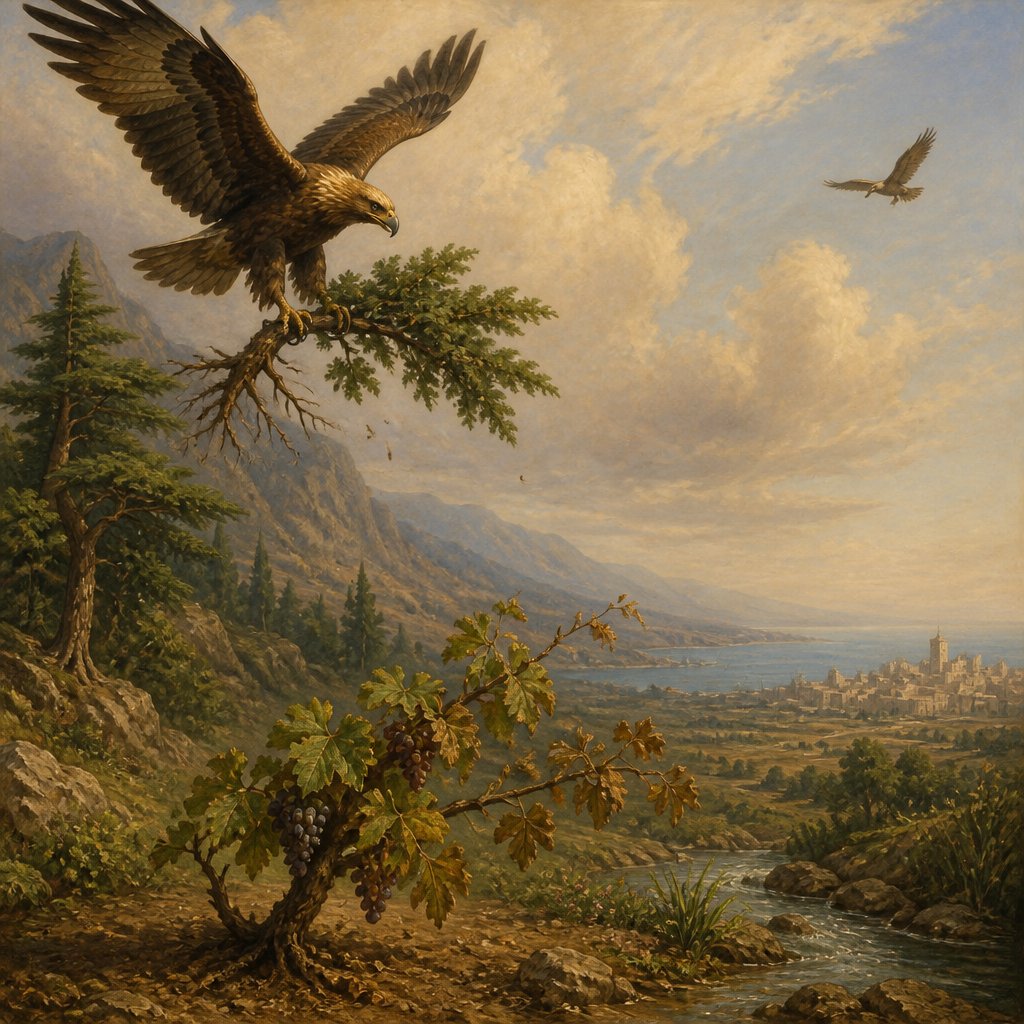
Ezekiel 17:1-10 presents a profound parable delivered by the prophet Ezekiel, capturing the essence of divine sovereignty and the prophetic voice of God to His people. As we delve into this passage, we must remember that the context of Ezekiel’s message was a time of crisis for Israel, a time marked by exile and despair. The vibrant imagery and symbolism in this riddle reveal layers of meaning that speak directly to our relationship with God, the choices we make, and the paths that we follow.
The passage begins with God commanding, "Son of man, put forth a riddle, and speak a parable unto the house of Israel;" (Ezekiel 17:2). Here, we see a divine invitation to understand deeper truths about His governance over nations and individuals. The setting of a riddle evokes curiosity, urging listeners to reflect and seek wisdom. How often do we find ourselves needing to pause in our busy lives and consider the deeper implications of what God is revealing to us?
The metaphor of the great eagle, with its majestic wings and colorful feathers, represents power and might—an image of a ruler or king. This eagle comes to "Lebanon" and takes the highest branch of the cedar (verse 3). Lebanon is known for its strong cedars, symbolizing strength and prosperity; thus, this branch signifies the chosen people of God. The eagle's act of cropping the branch represents the significant action of removing a leader or influential person from their position, a clear reference to the exiled leaders of Israel.
In life, God often places us in positions of influence or growth. However, when we anchor ourselves in the choices of the world rather than seeking the roots of divine truth, we risk losing that influence. The eagle plants the branch in a "land of traffick," which can be interpreted as a place of commerce and worldly distractions. This speaks to how often we can be seduced into believing that prosperity comes from seeking status among men rather than reliance on God’s providence. Are we seeking to flourish in the land that promotes worldly values and success?
As the parable unfolds, the eagle takes the seed of the land and plants it in a fruitful field, by great waters, likened to a willow tree (verse 5). This is a picture of nourishment and potential, initially promising but grounded in worldly soil. Here lies a fundamental truth: our environment and foundational roots impact our growth. We are called to be planted in the Word, to ensure that our roots go deep into the fertile soil of God's promises.
Yet, as depicted in verse 6-8, the vine grows tall but remains of "low stature." We see the duality of growth—an appearance of vitality but lacking the strength and stature one would expect. The presence of another eagle introduces a contrasting influence on the vine’s direction, as it bends its roots toward him for sustenance. Here, we are confronted with a critical question about loyalty and direction.
"Shall it prosper? shall he not pull up the roots thereof?" (verse 9). God’s rhetorical questions compel us to consider the authorities that we submit to in our lives. Are we, like the vine, leaning towards sources that promise prosperity, but ultimately fail to deliver? The consequences of divine disapproval are highlighted: even in a perfect environment, without the right foundation and alignment with God, we are susceptible to devastation when adversity strikes.
Finally, verse 10 cautions us about the consequences of misplaced reliance, stating that the vine shall wither with the coming of the east wind—symbolizing adversity and judgment. It’s a stark reminder that external afflictions expose the strength and sustainability of our foundations. Are we steadfast in our dependency on Christ, the true source of life, or do we find ourselves withering amidst difficulties?
In conclusion, as we reflect on Ezekiel 17:1-10, we are reminded to evaluate our trust and our rootedness in Christ. God calls us not just to grow but to grow well—rooted in Him, drawing strength from His living waters, and remaining anchored in His truth. Let us seek to align our branches toward the true source of life and allow our roots to intertwine with the Word of God, producing a fruit that will last.
Want to reflect more on Ezekiel 17:1-10?
Continue your spiritual journey with Bible Chat — an AI-powered tool for exploring God's Word through conversation. Ask questions, discover connections, and deepen your understanding.
Get Our Apps


Ezekiel 17:1-10 Artwork

Ezekiel 17:1-10 - "The word of the Lord came to me: “Son of man, set forth an allegory and tell it to the Israelites as a parable. Say to them, ‘This is what the Sovereign Lord says: A great eagle with powerful wings, long feathers and full plumage of varied colors came to Lebanon. Taking hold of the top of a cedar, he broke off its topmost shoot and carried it away to a land of merchants, where he planted it in a city of traders. He took one of the seedlings of the land and put it in fertile soil. He planted it like a willow by abundant water, and it sprouted and became a low, spreading vine. Its branches turned toward him, but its roots remained under it. So it became a vine and produced branches and put out leafy boughs. But there was another great eagle with powerful wings and full plumage. The vine now sent out its roots toward him from the plot where it was planted and stretched out its branches to him for water. It had been planted in good soil by abundant water so that it would produce branches, bear fruit and become a splendid vine.’ Say to them, ‘This is what the Sovereign Lord says: Will it thrive? Will it not be uprooted and stripped of its fruit so that it withers? All its new growth will wither. It will not take a strong arm or many people to pull it up by the roots. Even if it is transplanted, will it thrive? Will it not wither completely when the east wind strikes it—wither away in the plot where it grew?’”"
"The word of the Lord came to me: “Son of man, set forth an allegory and tell it to the Israelites as a parable. Say to them, ‘This is what the Sovereign Lord says: A great eagle with powerful wings, long feathers and full plumage of varied colors came to Lebanon. Taking hold of the top of a cedar, he broke off its topmost shoot and carried it away to a land of merchants, where he planted it in a city of traders. He took one of the seedlings of the land and put it in fertile soil. He planted it like a willow by abundant water, and it sprouted and became a low, spreading vine. Its branches turned toward him, but its roots remained under it. So it became a vine and produced branches and put out leafy boughs. But there was another great eagle with powerful wings and full plumage. The vine now sent out its roots toward him from the plot where it was planted and stretched out its branches to him for water. It had been planted in good soil by abundant water so that it would produce branches, bear fruit and become a splendid vine.’ Say to them, ‘This is what the Sovereign Lord says: Will it thrive? Will it not be uprooted and stripped of its fruit so that it withers? All its new growth will wither. It will not take a strong arm or many people to pull it up by the roots. Even if it is transplanted, will it thrive? Will it not wither completely when the east wind strikes it—wither away in the plot where it grew?’”" - Ezekiel 17:1-10

Ezekiel 17:1 - "And the word of the LORD came unto me, saying,"
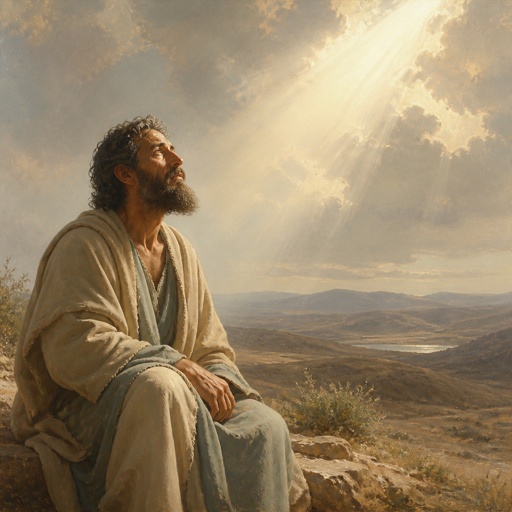
"And the word of the LORD came unto me, saying," - Ezekiel 17:1

Ezekiel 37:1-10 – The valley of dry bones.

Ezekiel 10:17 - "When they stood, these stood; and when they were lifted up, these lifted up themselves also: for the spirit of the living creature was in them."

Ezekiel 1:10-11

Ezekiel 37:1-10 – The vision of the valley of dry bones.

Ezekiel 37:1-10 – The vision of the valley of dry bones.

Ezekiel 17:10 - "Yea, behold, being planted, shall it prosper? shall it not utterly wither, when the east wind toucheth it? it shall wither in the furrows where it grew."

Ezekiel 1:17 - "When they went, they went upon their four sides: and they turned not when they went."

1 Samuel 10:17 - "¶ And Samuel called the people together unto the LORD to Mizpeh;"

Combine the authority theme described in Romans 13:1-7 and Revelation 13:1-10.

Ezekiel 10:10

Ezekiel 10:10

Ezekiel 10:10

Ezekiel 10:10

Ezekiel 10:1 - "Then I looked, and, behold, in the firmament that was above the head of the cherubims there appeared over them as it were a sapphire stone, as the appearance of the likeness of a throne."

Ezekiel 3:17

"When they went, they went upon their four sides: and they turned not when they went." - Ezekiel 1:17

1 Corinthians 10:17 - "For we being many are one bread, and one body: for we are all partakers of that one bread."

1 Samuel 17:10 - "And the Philistine said, I defy the armies of Israel this day; give me a man, that we may fight together."
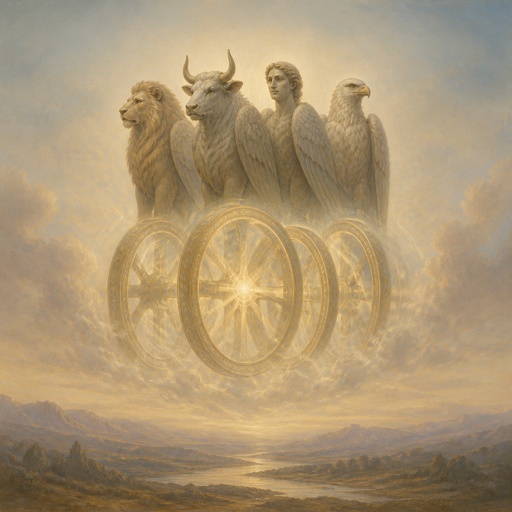
"When they stood, these stood; and when they were lifted up, these lifted up themselves also: for the spirit of the living creature was in them." - Ezekiel 10:17
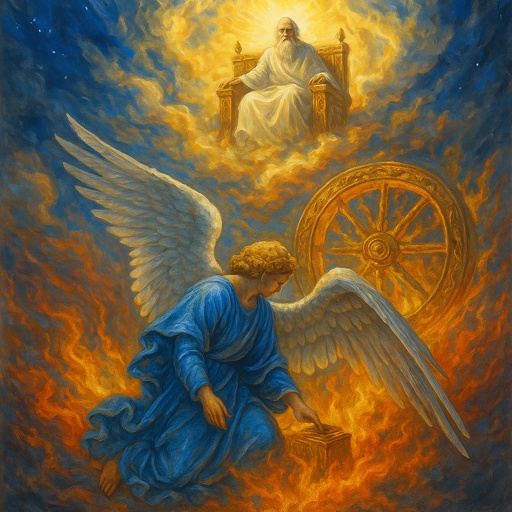
"Then I looked, and, behold, in the firmament that was above the head of the cherubims there appeared over them as it were a sapphire stone, as the appearance of the likeness of a throne." - Ezekiel 10:1

Ezekiel 1:10 - "As for the likeness of their faces, they four had the face of a man, and the face of a lion, on the right side: and they four had the face of an ox on the left side; they four also had the face of an eagle."

Ezekiel 22:17 - "And the word of the LORD came unto me, saying,"

Ezekiel 12:17 - "¶ Moreover the word of the LORD came to me, saying,"

Romans 10:17

Romans 10:17

Romans 10:17