The Cost of Disobedience: Lessons from Exodus 9:31
"And the flax and the barley was smitten: for the barley was in the ear, and the flax was bolled." - Exodus 9:31
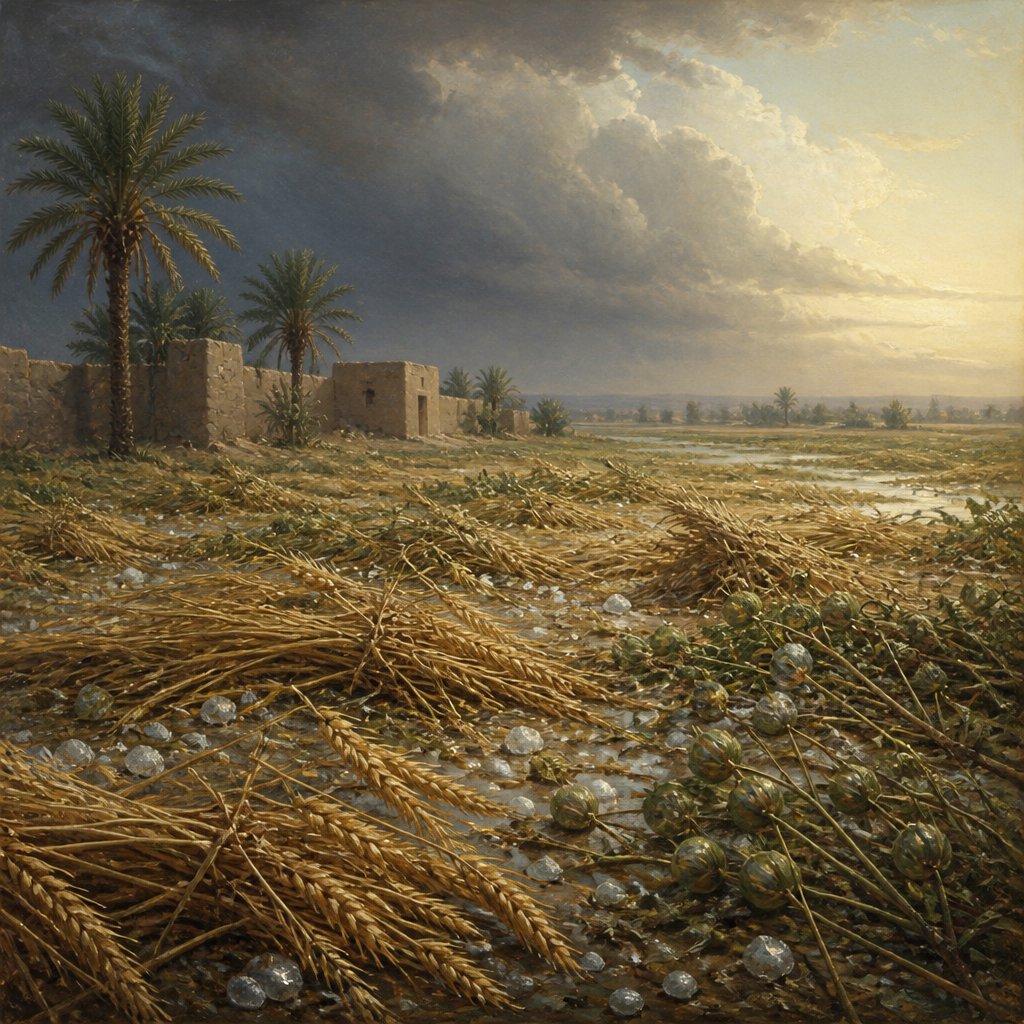
As we delve into the depths of Exodus 9:31, we encounter the fierce judgment of God manifested through the plagues upon Egypt. The King James Version states, "And the flax and the barley was smitten: for the barley was in the ear, and the flax was bolled." This seemingly simple verse holds profound truths about the consequences of disobedience and the sovereignty of God.
To understand the weight of this proclamation, we must first reflect on the broader context of the Exodus narrative. God’s chosen people, the Israelites, were in bondage in Egypt, suffering under the harsh rule of Pharaoh. God sent Moses to confront Pharaoh, demanding the release of His people. However, Pharaoh's heart was hardened, and he refused to comply. God, in His infinite wisdom and justice, sent plagues as warnings, each one an opportunity for Pharaoh to repent and heed the divine call.
In this specific verse, we see God's power at work through the destruction of the crops—the flax and barley. The term “smitten” indicates a severe and intentional act of devastation. The barley was particularly vulnerable, as it was
"in the ear," indicating that it was just beginning to ripen, a crucial time for crops in ancient agricultural societies. The flax, too, had reached a stage where it was ready for harvest, denoted by the term "bolled"—the flower buds were developing, indicating its readiness for use in manufacturing linen.
The destruction of these crops reveals a multi-dimensional reality about God's character. Firstly, God is a God of justice. This assertion is not merely punitive; it serves a purpose. Each plague aimed to demonstrate the futility of the Egyptian gods and Pharaoh’s authority over the natural world, which he esteemed highly. The devastating results of these plagues were not only economic but also deeply spiritual, serving as a clear signal to the Israelites and the Egyptians alike that Yahweh is the one true God, superior to any earthly power. God’s judgment leads us to consider the sovereignty of God in our circumstances. He holds authority over nature and mankind. It reminds us that no power on earth can stand against His will and that disobedience comes with a cost, impacting not just the individual but also the community at large.
This event invites us to introspect our own lives. Are there areas where we too are hardened like Pharaoh, refusing to listen to God’s prompts? Each time we ignore God's voice, we risk not only our own spiritual well-being but also the well-being of those around us. The consequences of our disobedience can extend beyond personal loss; they can affect our families, communities, and societies.
Yet amid this somber reality, there is grace. God, through each plague, offers an opportunity for turning back. The judgment served as a reminder that while God is just, He is also merciful. He longs for repentance. The Israelites, suffering under Pharaoh's yoke, were reminded that God was fully aware of their suffering and would deliver them. He does not overlook the struggles of His people, nor does He abandon them.
As we reflect on Exodus 9:31, let us meditate on the balance of God's justice and mercy. May we choose to heed His voice, to embrace the lessons from our past, and to allow His sovereignty to permeate our lives.
In your personal prayers, ask God to soften your heart towards His will. Consider the areas of disobedience in your life, and earnestly seek His guidance. Reflect on the cost of those choices—not only to yourself but also to those around you. God is calling us to a path of righteousness, integrity, and faithfulness where true obedience turns our hearts toward our deliverer.
Let us not be like Pharaoh, resisting the truth of God until it brings about our ruin. Instead, may we yield our hearts to His purpose, recognizing the blessings of obedience and the warnings of disobedience. After all, while the flax and barley were smitten, it is still within God's power to restore what was lost.
Want to reflect more on Exodus 9:31?
Continue your spiritual journey with Bible Chat — an AI-powered tool for exploring God's Word through conversation. Ask questions, discover connections, and deepen your understanding.
Get Our Apps


Exodus 9:31 Artwork

Exodus 9:31 - "And the flax and the barley was smitten: for the barley was in the ear, and the flax was bolled."
"And the flax and the barley was smitten: for the barley was in the ear, and the flax was bolled." - Exodus 9:31

Exodus 31:9 - "And the altar of burnt offering with all his furniture, and the laver and his foot,"
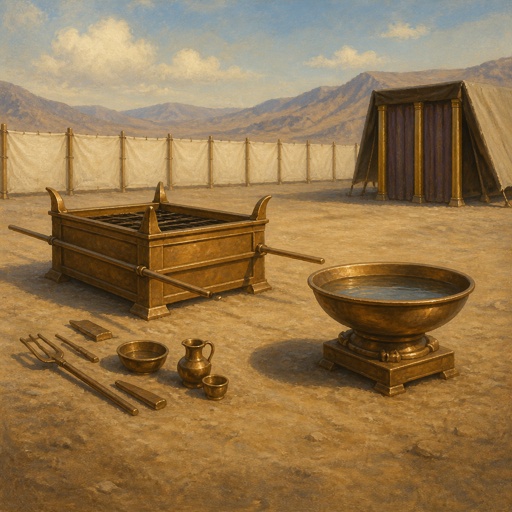
"And the altar of burnt offering with all his furniture, and the laver and his foot," - Exodus 31:9

Exodus 31: 18

Exodus 25:31

Exodus 26:31

Exodus 26:31

Exodus 26:31

Exodus 28:31-43

Exodus 28:31-34

Exodus 28:31-43

Exodus 28:31-34

Exodus 28:31-34

Exodus 26:31-33

Exodus 31:12 - "¶ And the LORD spake unto Moses, saying,"

Exodus 31:1 - "And the LORD spake unto Moses, saying,"

Exodus 28:31 - "¶ And thou shalt make the robe of the ephod all of blue."

Exodus 31:4 - "To devise cunning works, to work in gold, and in silver, and in brass,"

Exodus 25:31-40 This is an oil lampstand.

Exodus 40:31 - "And Moses and Aaron and his sons washed their hands and their feet thereat:"

Exodus 29:31 - "¶ And thou shalt take the ram of the consecration, and seethe his flesh in the holy place."

Exodus 31:7 - "The tabernacle of the congregation, and the ark of the testimony, and the mercy seat that is thereupon, and all the furniture of the tabernacle,"

Exodus 31:5 - "And in cutting of stones, to set them, and in carving of timber, to work in all manner of workmanship."

Exodus 31:8 - "And the table and his furniture, and the pure candlestick with all his furniture, and the altar of incense,"

Exodus 36:31 - "¶ And he made bars of shittim wood; five for the boards of the one side of the tabernacle,"

Exodus 39:31 - "And they tied unto it a lace of blue, to fasten it on high upon the mitre; as the LORD commanded Moses."

"And the LORD spake unto Moses, saying," - Exodus 31:1

"¶ And the LORD spake unto Moses, saying," - Exodus 31:12

Exodus 25:31 This is an oil lampstand. No actual candles are used.