The Courage to Heed the Word of the Lord
"He that feared the word of the LORD among the servants of Pharaoh made his servants and his cattle flee into the houses:" - Exodus 9:20
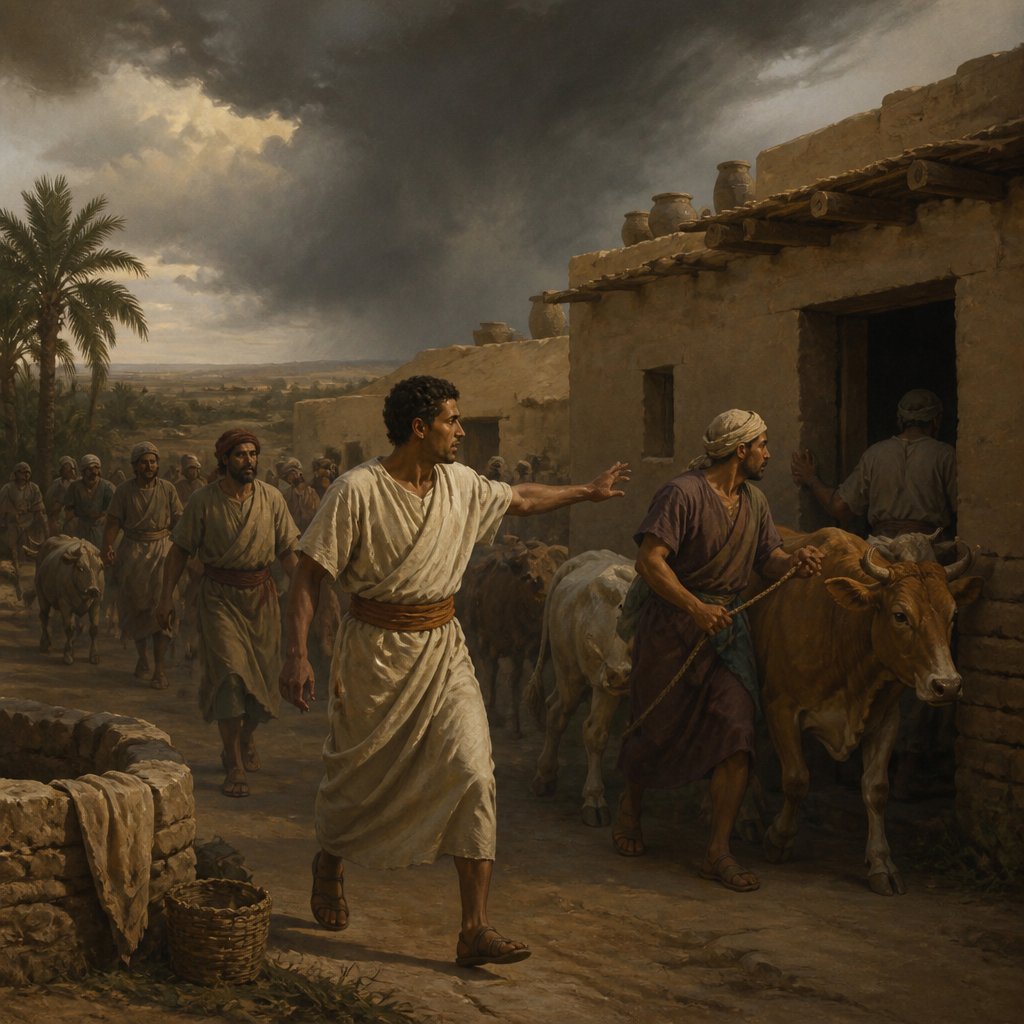
Exodus 9:20 (KJV) states, "He that feared the word of the LORD among the servants of Pharaoh made his servants and his cattle flee into the houses." This passage comes amidst the plagues that the Lord unleashed upon Egypt, a testament to His power and sovereignty. It captures a profound moment where fear of the Lord's proclamation prompts decisive action.
At first glance, Exodus 9:20 may seem like a minor detail in a larger narrative of judgment and deliverance. However, it can serve as a profound insight into the nature of fear, obedience, and the effects of discerning truth in the face of calamity. Here, we see a servant of Pharaoh, amidst a nation that had largely hardened its heart against God's warnings, recognizes the authority of the God of Israel. This individual acts in stark contrast to the prevailing attitude perpetuated by Pharaoh, who time and again rejected Moses’s warnings.
The servant’s fear based on the word of the Lord is not just a reverential awe; it is a fear that motivates action. He understands that the power of God is not to be trifled with and responds by bringing his own servants and cattle into the safety of their houses. This act signifies more than self-preservation; it reflects an awareness and acknowledgment of the impending danger and the wisdom that comes from taking heed. Knowing the consequences of ignoring the divine message, he chooses to respond obediently rather than defiantly, a response we should all seek when we encounter the truth of God’s word.
In our contemporary world, we often face our own 'plagues'—not primarily of locusts and hail, but of fear, doubt, apathy, and indifference. The servants of Pharaoh serve as a reminder to us that even in the midst of disbelief and challenges, we have the inherent ability to choose wisely—to heed the word of the Lord. Sometimes, this requires us to step out of our comfort zones or align ourselves against cultural norms that contradict biblical truths. Like the woman who runs into a burning building to save her child, obedience rooted in fear of the Lord propels us toward wise decisions that may appear radical to onlookers.
However, it is important to understand that the fear of the Lord is not merely about dread or apprehension; it is about recognizing God’s greatness in contrast to our human frailty. Proverbs 1:7 tells us, "The fear of the LORD is the beginning of knowledge: but fools despise wisdom and instruction." The servant’s actions exemplify the wisdom gained from righteous fear. By fleeing to safety amid divine judgment, he exemplifies the first step in knowledge—acknowledging the authority of God and responding to it with faith-filled action.
How do we respond to the word of God in our lives today? Are we, like the servants of Pharaoh, willing to fear the Lord’s instructions enough to redirect our lives? Or do we find ourselves among the multitude who dismiss the warnings, thinking they apply to someone else or that we are somehow invulnerable? The truth is, taking refuge in the promises of God—who provides protection and assurance—offers us the grace and strength needed during tumultuous times.
Today, let us endeavor to cultivate this courageous fear of the Lord in our hearts. Let it inspire us to seek shelter in His word when facing life’s storms. Pray that God grants us discernment to act wisely amid chaos, confidence in His promises, and courage to lead others to safety—a reflection of His unwavering love and grace.
In conclusion, may we stand firm, like the knowledgeable servant of Pharaoh, making active decisions based not on fear of consequences alone, but rather from a deep reverence for the Lord’s word, which leads us away from destruction and into His loving arms. Amen.
Want to reflect more on Exodus 9:20?
Continue your spiritual journey with Bible Chat — an AI-powered tool for exploring God's Word through conversation. Ask questions, discover connections, and deepen your understanding.
Get Our Apps


Exodus 9:20 Artwork

Exodus 9:20 - "He that feared the word of the LORD among the servants of Pharaoh made his servants and his cattle flee into the houses:"
"He that feared the word of the LORD among the servants of Pharaoh made his servants and his cattle flee into the houses:" - Exodus 9:20

Exodus 20:9 - "Six days shalt thou labour, and do all thy work:"
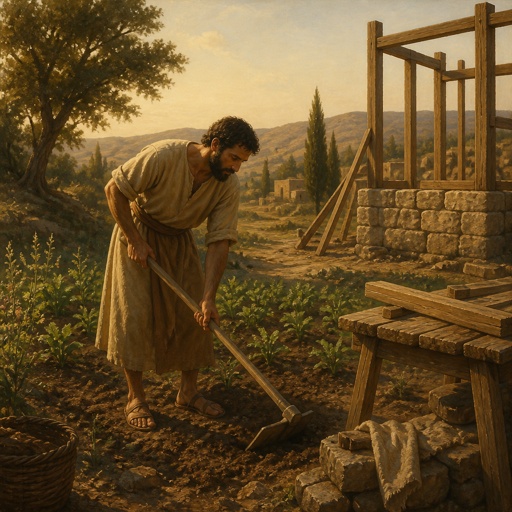
"Six days shalt thou labour, and do all thy work:" - Exodus 20:9

Exodus 23:20

Exodus 20:2

Exodus 27:20

Exodus 27:20

Exodus 27:20

Exodus 20:14

Exodus 20:13 - "Thou shalt not kill."

Exodus 20:15 - "Thou shalt not steal."

Exodus 27:19-20

Exodus 19:16-20

Exodus 20:14 - "Thou shalt not commit adultery."

Exodus 20:1 - "And God spake all these words, saying,"

Exodus 20:8 - "Remember the sabbath day, to keep it holy."

Exodus 40:9
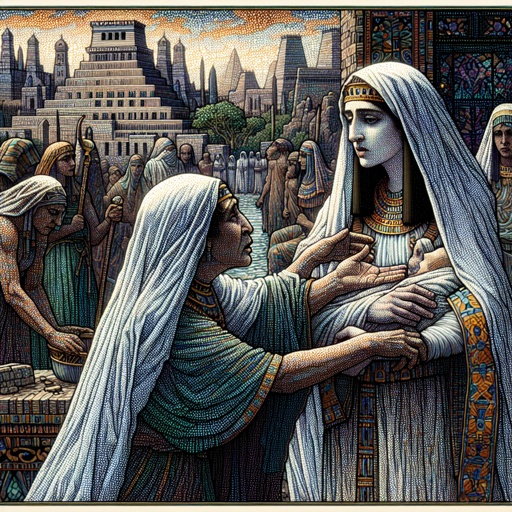
Exodus 2:9

Exodus 2:9

Exodus 20:20 - "And Moses said unto the people, Fear not: for God is come to prove you, and that his fear may be before your faces, that ye sin not."

Exodus 20:3 - "Thou shalt have no other gods before me."

The Plague of Locusts - Exodus 10:1-20

The Plague of Locusts - Exodus 10:1-20

The Plague of Flies - Exodus 8:20-32

The Plague of Locusts - Exodus 10:1-20

The Plague of Locusts - Exodus 10:1-20

The Plague of Locusts - Exodus 10:1-20

The Plague of Flies - Exodus 8:20-32.

The Plague of Locusts - Exodus 10:1-20