Let My People Go: The Call to Freedom and Service
"Then the LORD said unto Moses, Go in unto Pharaoh, and tell him, Thus saith the LORD God of the Hebrews, Let my people go, that they may serve me." - Exodus 9:1
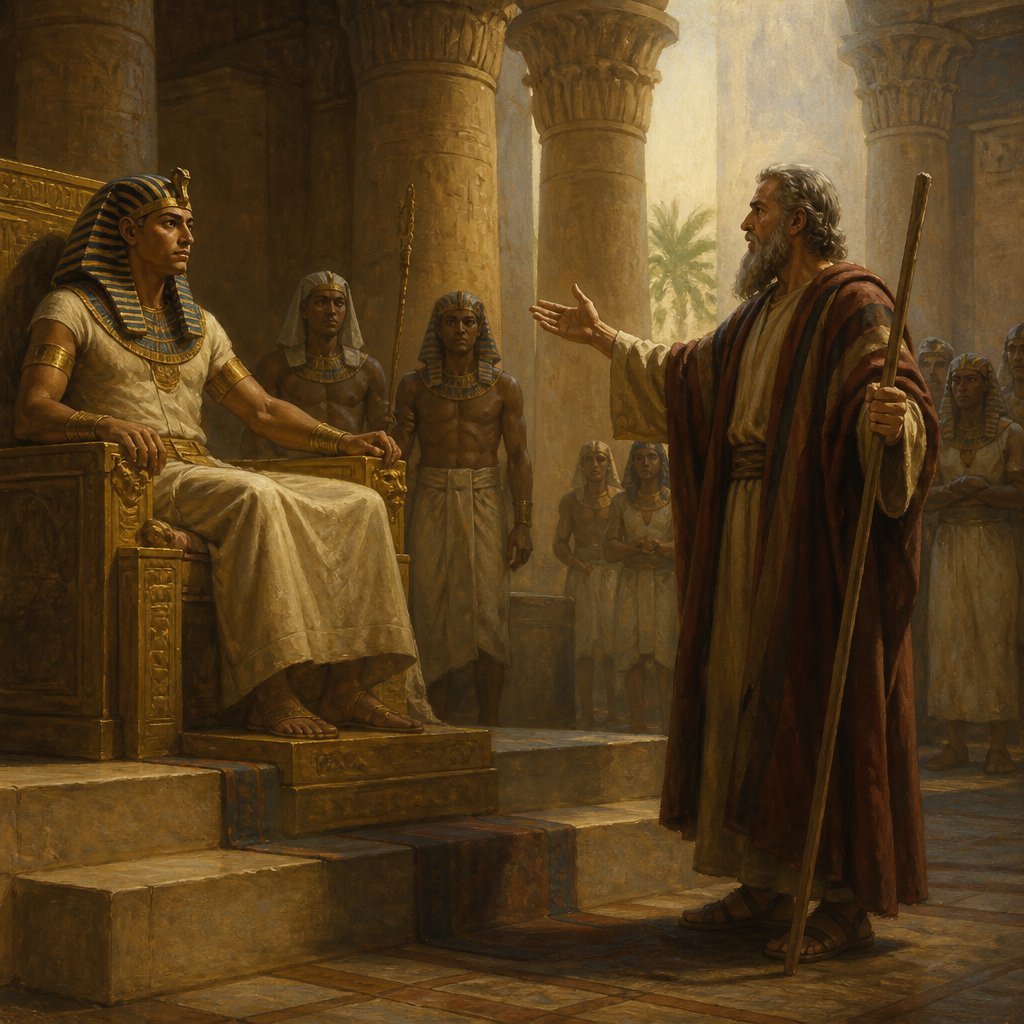
In Exodus 9:1, we encounter a divine directive that resonates through the ages: "Then the LORD said unto Moses, Go in unto Pharaoh, and tell him, Thus saith the LORD God of the Hebrews, Let my people go, that they may serve me." This command is filled with profound significance, not merely for the Israelites in ancient Egypt but also for us as modern-day believers.
First and foremost, this passage illustrates God's unwavering commitment to His people. The Israelites, enslaved and oppressed, symbolize every individual's struggle against bondage—whether that be physical, emotional, or spiritual. God speaks directly to Moses, emphasizing the urgency of the message to Pharaoh, one of the most powerful rulers of that time. The phrase "Let my people go" is not just a request; it is a divine decree rooted in the very nature of God as a liberator. He desires freedom for His people so that they might serve Him fully.
The second part of the verse, "that they may serve me," unveils the purpose of this liberation. God does not free us from bondage merely for our own sake; He liberates us so that we can worship Him in spirit and in truth. Serving God is the true essence of freedom; it involves submitting ourselves to His will and embracing the abundant life He offers. In John 8:36, we are reminded, "If the Son therefore shall make you free, ye shall be free indeed." True freedom is found in our relationship with God, where we are empowered to live out our purpose.
As we reflect on Moses' mission, we see that he was chosen to be the vessel through which God's message would flow. This call to action speaks to the believer's role in today's world. Just as Moses was instructed to approach Pharaoh, we are called to confront the 'Pharaohs' in our lives—those powers that keep us or others in bondage, whether they be sin, addiction, fear, or systemic injustice. We must stand up, proclaiming God’s truth and His desire for freedom and reconciliation.
Moreover, Moses' obedience highlights the importance of responding to God's call, no matter how daunting it may seem. When called by God, we may feel inadequate, just as Moses did. We might question, "Who am I to confront power?" or "What can I say that will change anything?" Yet, it is essential to remember that it is not our words, but His authority that brings about change. God equips us with the strength we need to fulfill our calling. In 2 Timothy 1:7, Scripture affirms that "For God hath not given us the spirit of fear; but of power, and of love, and of a sound mind." This assurance encourages us to step out in faith, trusting in God’s capability to act through us.
In addition to individual spiritual applications, this message also carries communal implications. As believers, we are collectively called to advocate for justice, mercy, and freedom in our communities. We are reminded that our faith is not solely an individual journey; it is a community endeavor. We must recognize that many individuals are still trapped in various forms of slavery today—whether through poverty, addiction, or social injustice. Our responsibility is to champion their cause and to provide hope anchored in the truth of the Gospel that God desires to set them free.
Thus, the exhortation, "Let my people go," rings clear not just as a historical event but as an ongoing mandate for all believers. It challenges us to reflect on our own lives: Are there areas where we are enslaved? Are there people in our spheres who need to hear the message of freedom and hope?
As we meditate on Exodus 9:1, let us embrace our identity as freed people who exist not only for our benefit but primarily to serve the One who has called us out of darkness into His marvelous light. Let us proclaim freedom with boldness, knowing that the God of the Hebrews—the God who liberates—walks alongside us each step of the way.
Want to reflect more on Exodus 9:1?
Continue your spiritual journey with Bible Chat — an AI-powered tool for exploring God's Word through conversation. Ask questions, discover connections, and deepen your understanding.
Get Our Apps


Exodus 9:1 Artwork

The Plague on Livestock - Exodus 9:1-7

The Plague on Livestock - Exodus 9:1-7

The Plague Death on Livestock - Exodus 9:1-7

The Plague Death on Livestock - Exodus 9:1-7

Exodus 9:1 - "Then the LORD said unto Moses, Go in unto Pharaoh, and tell him, Thus saith the LORD God of the Hebrews, Let my people go, that they may serve me."
"Then the LORD said unto Moses, Go in unto Pharaoh, and tell him, Thus saith the LORD God of the Hebrews, Let my people go, that they may serve me." - Exodus 9:1

Exodus 1:9 - "And he said unto his people, Behold, the people of the children of Israel are more and mightier than we:"

Exodus 40:9
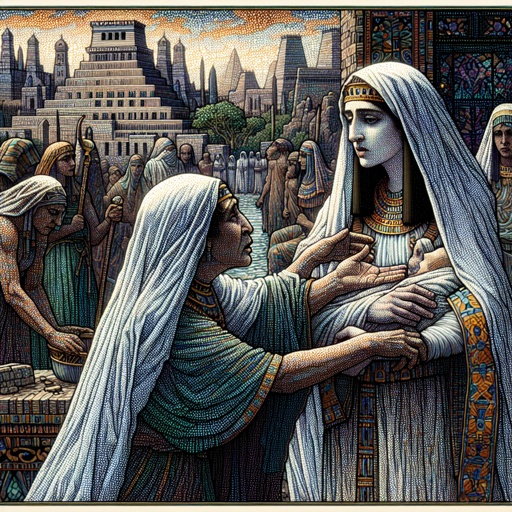
Exodus 2:9

Exodus 2:9

Exodus 24:9-11

Exodus 35:9 - "And onyx stones, and stones to be set for the ephod, and for the breastplate."

Exodus 9:31 - "And the flax and the barley was smitten: for the barley was in the ear, and the flax was bolled."

Exodus 9:32 - "But the wheat and the rie were not smitten: for they were not grown up."

The Plague of Boils - Exodus 9:8-12

The Plague of Boils - Exodus 9:8-12

The Plague of Boils - Exodus 9:8-12.

The Plague of Boils - Exodus 9:8-12

The Plague of Hail - Exodus 9:13-35

The Plague of Hail - Exodus 9:13-35

The Plague of Boils - Exodus 9:8-12

The Plague of Hail - Exodus 9:13-35

The Plague of Hail - Exodus 9:13-35

The Plague of Boils - Exodus 9:8-12

The Plague of Boils - Exodus 9:8-12

The Plague of Boils - Exodus 9:8-12

Exodus 9:26 - "Only in the land of Goshen, where the children of Israel were, was there no hail."
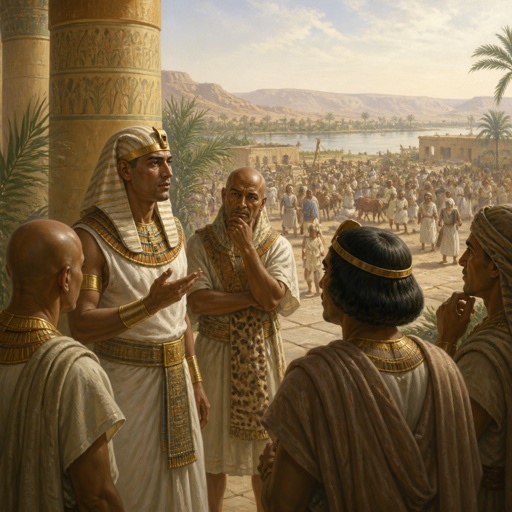
"And he said unto his people, Behold, the people of the children of Israel are more and mightier than we:" - Exodus 1:9

Exodus 24:9 - "¶ Then went up Moses, and Aaron, Nadab, and Abihu, and seventy of the elders of Israel:"

Exodus 31:9 - "And the altar of burnt offering with all his furniture, and the laver and his foot,"