Obedience in Action: The Power of Doing What the Lord Commands
"And Moses and Aaron did as the LORD commanded them, so did they." - Exodus 7:6
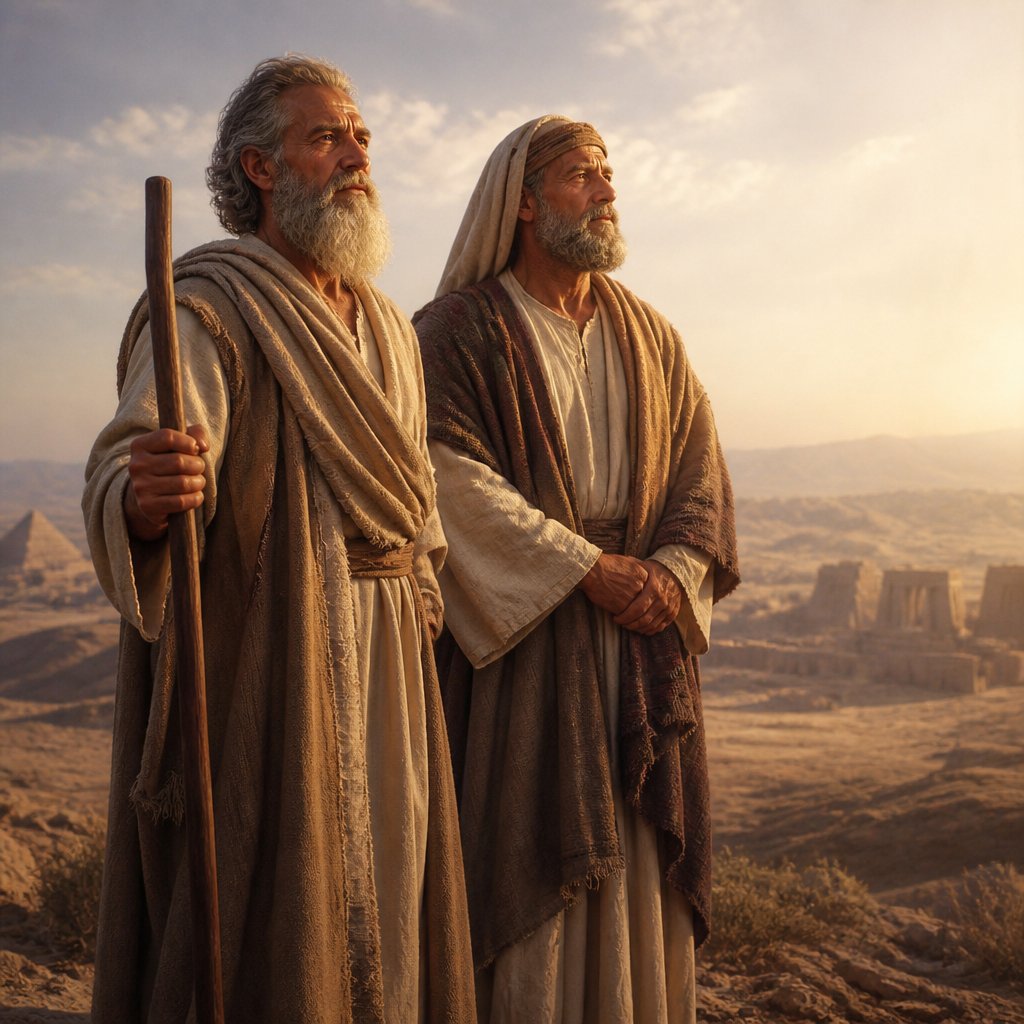
In Exodus 7:6, we read, “And Moses and Aaron did as the LORD commanded them, so did they.” This seemingly straightforward verse is steeped in profound meaning and provides a beautiful example of obedience to God’s calling. It serves as a reminder of the significance of obedience in the life of a believer. In the grand narrative of the Exodus, where God's people are bound in slavery, we see God calling Moses and Aaron to lead His people to freedom. However, it’s noteworthy that the journey towards liberation begins with obedience.
In our modern context, we often face decisions and dilemmas that require our response to God’s directives. Whether these directives come from Scripture, prayer, or the leading of the Holy Spirit, we are frequently called to act in accordance with what is revealed to us. At times, this call can be daunting or unclear. How often do we hesitate to act? How frequently do we overanalyze or let our doubts cloud our response? The hesitation to obey can stem from fear, insecurity, or a sense of inadequacy. But the act of obedience itself is a powerful statement of faith.
Moses and Aaron’s immediate response to God’s command illustrates a trust in God that should inspire us. They did not falter in their mission despite the uncertain path ahead or the monumental challenges they would face in confronting Pharaoh. Their obedience was not only about action; it was about alignment with God’s plan. Every time we choose to align ourselves with God’s commands, we reflect our understanding that He is sovereign and trustworthy.
When we think of obedience in our lives, it can sometimes be misconstrued as a relinquishing of our freedom. Yet, true obedience to God brings about a deeper liberation, one that frees us from the chains of doubt, fear, and self-reliance. The freedom that comes from knowing we are under God’s command is a profound and lasting peace. Jesus, in the New Testament, echoed this sentiment when He stated, “If you love me, keep my commandments” (John 14:15, KJV). Our love for God is expressed not only in praise and worship but through our active obedience to His Word.
Moreover, obedience impacts not only our lives but also the lives of those around us. Moses and Aaron’s willingness to obey God led to a series of miraculous events that changed the course of history for the Israelites. Each act of obedience brought them closer to the fulfillment of God’s promise — a theme that continues to resonate in our lives. When we step out in faith and obey God, we position ourselves to witness the unfolding of His plans, not just for us personally but for our community and the world at large.
However, the beauty of obedience lies in its simplicity. It doesn’t take great intellect or skill, but rather a willing heart. As we reflect on Moses and Aaron, we are reminded that they were ordinary men called to do extraordinary things. Our ability to obey is not based on our qualifications but on our willingness to trust that God equips whom He calls. We must embrace the truth that God’s command often comes with divine empowerment. He does not leave us to navigate the challenges of obedience alone. Instead, He walks with us, providing strength, courage, and guidance.
In conclusion, Exodus 7:6 encourages us to approach our lives with a committed heart toward doing as the Lord commands. Let us strive to be people who act promptly and faithfully when we discern God’s will for our lives. The calling may be daunting, but as we reflect on the example of Moses and Aaron, let us choose to step out in faith, determined to obey the one who has called us. Remember, God is not merely interested in our actions but in our hearts.
Let obedience be our response to the love and grace we have received, echoing the words, “So did they.” May we engage in our daily actions with this same resolve, trusting that every response to God’s command brings us closer to the fulfillment of His promises.
Want to reflect more on Exodus 7:6?
Continue your spiritual journey with Bible Chat — an AI-powered tool for exploring God's Word through conversation. Ask questions, discover connections, and deepen your understanding.
Get Our Apps


Exodus 7:6 Artwork

Exodus 7:6 - "And Moses and Aaron did as the LORD commanded them, so did they."
"And Moses and Aaron did as the LORD commanded them, so did they." - Exodus 7:6

Exodus 6:7 - "And I will take you to me for a people, and I will be to you a God: and ye shall know that I am the LORD your God, which bringeth you out from under the burdens of the Egyptians."

Exodus 17:6

Exodus 17:6

Exodus 17:6

Exodus 7:10

Exodus 7:10

Exodus 17:6

Exodus 12:7

Exodus 12:7

Exodus 7:14-24

Exodus 7:7 - "And Moses was fourscore years old, and Aaron fourscore and three years old, when they spake unto Pharaoh."

Exodus 6:21 - "¶ And the sons of Izhar; Korah, and Nepheg, and Zichri."

Exodus 6:22 - "And the sons of Uzziel; Mishael, and Elzaphan, and Zithri."

Exodus 6:10 - "And the LORD spake unto Moses, saying,"

Exodus 25:7 - "Onyx stones, and stones to be set in the ephod, and in the breastplate."

Exodus 6:17 - "The sons of Gershon; Libni, and Shimi, according to their families."

Exodus 35:6 - "And blue, and purple, and scarlet, and fine linen, and goats' hair,"

Exodus 25:6 - "Oil for the light, spices for anointing oil, and for sweet incense,"

Exodus 1:6 - "And Joseph died, and all his brethren, and all that generation."

Exodus 33:6 - "And the children of Israel stripped themselves of their ornaments by the mount Horeb."

Exodus 6:24 - "And the sons of Korah; Assir, and Elkanah, and Abiasaph: these are the families of the Korhites."

Exodus 7:8 - "¶ And the LORD spake unto Moses and unto Aaron, saying,"

The Plague of Blood - Exodus 7:14-24

Exodus 38:6 - "And he made the staves of shittim wood, and overlaid them with brass."

Exodus 23:6 - "Thou shalt not wrest the judgment of thy poor in his cause."

The Plague on Livestock - Exodus 9:1-7

The Plague on Livestock - Exodus 9:1-7

Exodus Chapter 7 Verses 8-10