Crying Out in Oppression: A Lesson from Exodus 5:15
"¶ Then the officers of the children of Israel came and cried unto Pharaoh, saying, Wherefore dealest thou thus with thy servants?" - Exodus 5:15
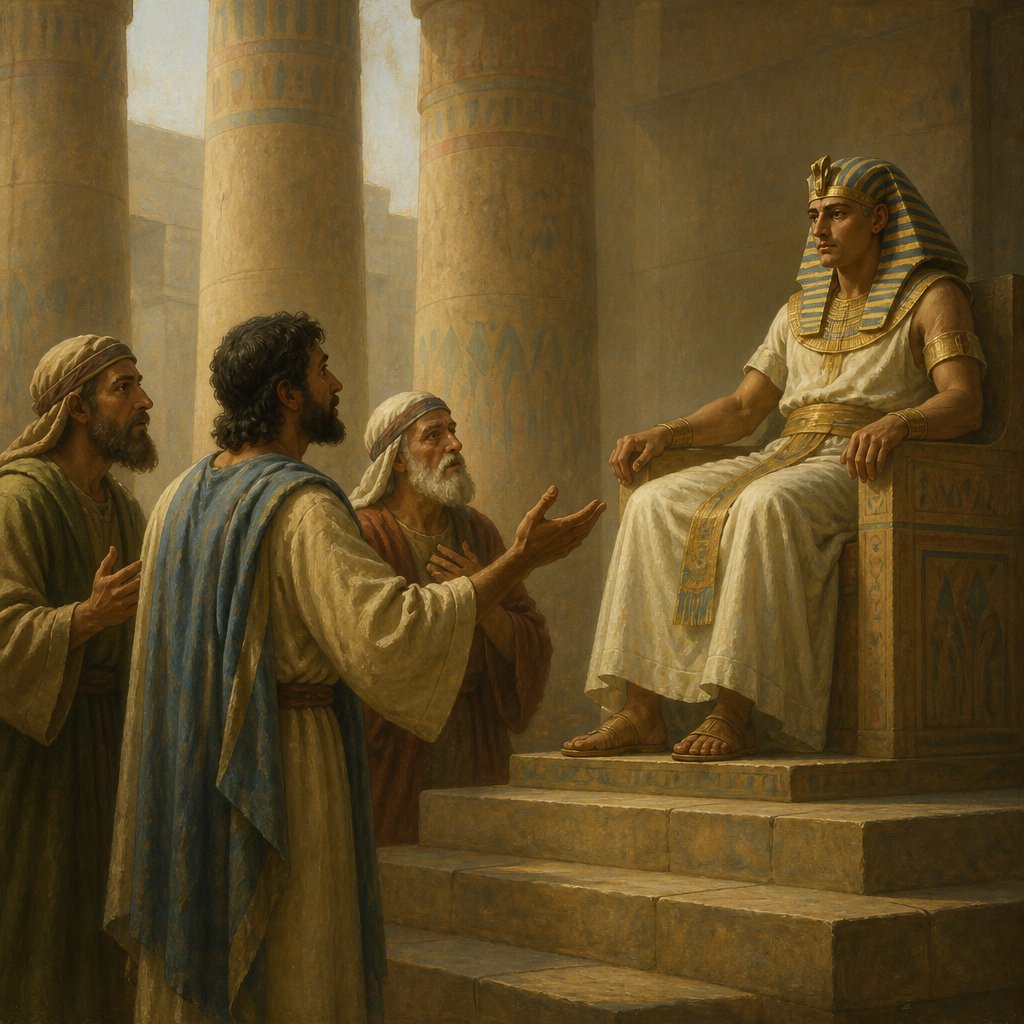
The book of Exodus is a profound narrative of deliverance, struggle, and faith—a mirror reflecting the human condition at its most desperate moments. In Exodus 5:15, we catch a glimpse of the heart of the Israelites, who had endured unbearable oppression: "Then the officers of the children of Israel came and cried unto Pharaoh, saying, Wherefore dealest thou thus with thy servants?" This cry encapsulates their suffering, confusion, and a thirst for justice from the one who held them in bondage.
To understand the weight of this moment, we must consider the context. The Israelites had multiplied in Egypt, a land that once welcomed them during Joseph's time. However, as the generations passed, their favor turned to oppression. Pharaoh, fearing their numbers, imposed heavy burdens upon them, compelling them to build cities and harshly enslaving them. This stark shift from welcome guests to marginalized slaves deepens the emotional landscape of their plea.
When the officers of the Israelites come before Pharaoh, their cry is not just a simple request for relief; it is a desperate reflection of their pain. They do not ask Pharaoh why they are suffering, but rather why he treats them unjustly. Their inquiry reveals the paradox of servitude where loyalty and obligation clash with humanity and dignity. They identify themselves as his ‘servants,’ evoking the family-like bond that should exist between a ruler and his people, indicating that they had fulfilled their duties and loyalty while expecting compassion in return. Instead, they find cruelty.
This moment resonates deeply with us in our contemporary lives. How often do we feel oppressed by circumstances beyond our control? Whether it's personal crises, health issues, or systemic injustices, we, too, might cry out in anguish, asking, "Why is this happening? Where is the justice?" The emotions etched into the words of the officers are timeless, reminding us that we have a God who hears our cries, even when it feels like our pleas fall on deaf ears.
In their cry, we see not just despair, but also a flicker of hope. Their willingness to approach Pharaoh signifies their desire for change—a change they believed could come even from the hands of their oppressor. It urges us to confront our own ‘Pharaohs.’ In doing so, may we find the courage to speak truth to power, to voice our injustices, and to seek accountability where it is sorely needed. The officers of Israel showed us the importance of standing up against oppression, even amid fear and uncertainty.
However, this poignant passage also reflects the faithfulness of God. While the officers cry out to Pharaoh, we understand that God is already at work behind the scenes. He had heard the cries of His people long before they approached Pharaoh. Their suffering had not gone unnoticed; God was preparing to deliver them in ways they could not yet fathom. This illustrates a profound truth: God’s delays are not denials. Just as He eventually raised up Moses to lead them out of Egypt, God is always orchestrating His divine plan for our liberation, even when we cannot see it.
As we meditate on Exodus 5:15, let us remember that our cries are heard by God. He stands with those who suffer and brings hope amid despair. When you face trials that seem too heavy to bear, do not hesitate to voice your pain. Cry out to the Lord; He is your refuge and strength. In due time, as He did for the Israelites, God will respond to our pleas for justice and deliverance, guiding us toward a brighter future, just as He guided His people out of Egypt.
Want to reflect more on Exodus 5:15?
Continue your spiritual journey with Bible Chat — an AI-powered tool for exploring God's Word through conversation. Ask questions, discover connections, and deepen your understanding.
Get Our Apps


Exodus 5:15 Artwork

Exodus 5:15 - "¶ Then the officers of the children of Israel came and cried unto Pharaoh, saying, Wherefore dealest thou thus with thy servants?"

Exodus 5:15 KJV (15) Then the officers of the children of Israel came and cried unto Pharaoh, saying, Wherefore dealest thou thus with thy servants?

Exodus 5:15 KJV (15) Then the officers of the children of Israel came and cried unto Pharaoh, saying, Wherefore dealest thou thus with thy servants?
"¶ Then the officers of the children of Israel came and cried unto Pharaoh, saying, Wherefore dealest thou thus with thy servants?" - Exodus 5:15

Exodus 15:5

Exodus 15:5 - "The depths have covered them: they sank into the bottom as a stone."

"The depths have covered them: they sank into the bottom as a stone." - Exodus 15:5

exodus 15

Exodus 15:22

Exodus 15:23

Exodus 15:23

Exodus 15:21

Exodus 20:15 - "Thou shalt not steal."

Exodus 28:15-30

Exodus 8:1-15

Exodus 22:5

Exodus 22:5

Exodus 22:5

Exodus 15:18 - "The LORD shall reign for ever and ever."

Exodus 15:3 - "The LORD is a man of war: the LORD is his name."

Exodus 17:15 - "And Moses built an altar, and called the name of it Jehovah-nissi:"

Exodus 25:15 - "The staves shall be in the rings of the ark: they shall not be taken from it."

Exodus 4:1-5

Exodus 24:15 - "And Moses went up into the mount, and a cloud covered the mount."

Exodus 5:5 - "And Pharaoh said, Behold, the people of the land now are many, and ye make them rest from their burdens."

The Plague of Frogs - Exodus 8:1-15

The Plague of Frogs - Exodus 8:1-15

The Plague of Frogs - Exodus 8:1-15

The Plague of Frogs - Exodus 8:1-15

The Plague of Frogs - Exodus 8:1-15