Heavenly Awareness: The Compassionate Eyes of God
"¶ And the LORD said, I have surely seen the affliction of my people which are in Egypt, and have heard their cry by reason of their taskmasters; for I know their sorrows;" - Exodus 3:7
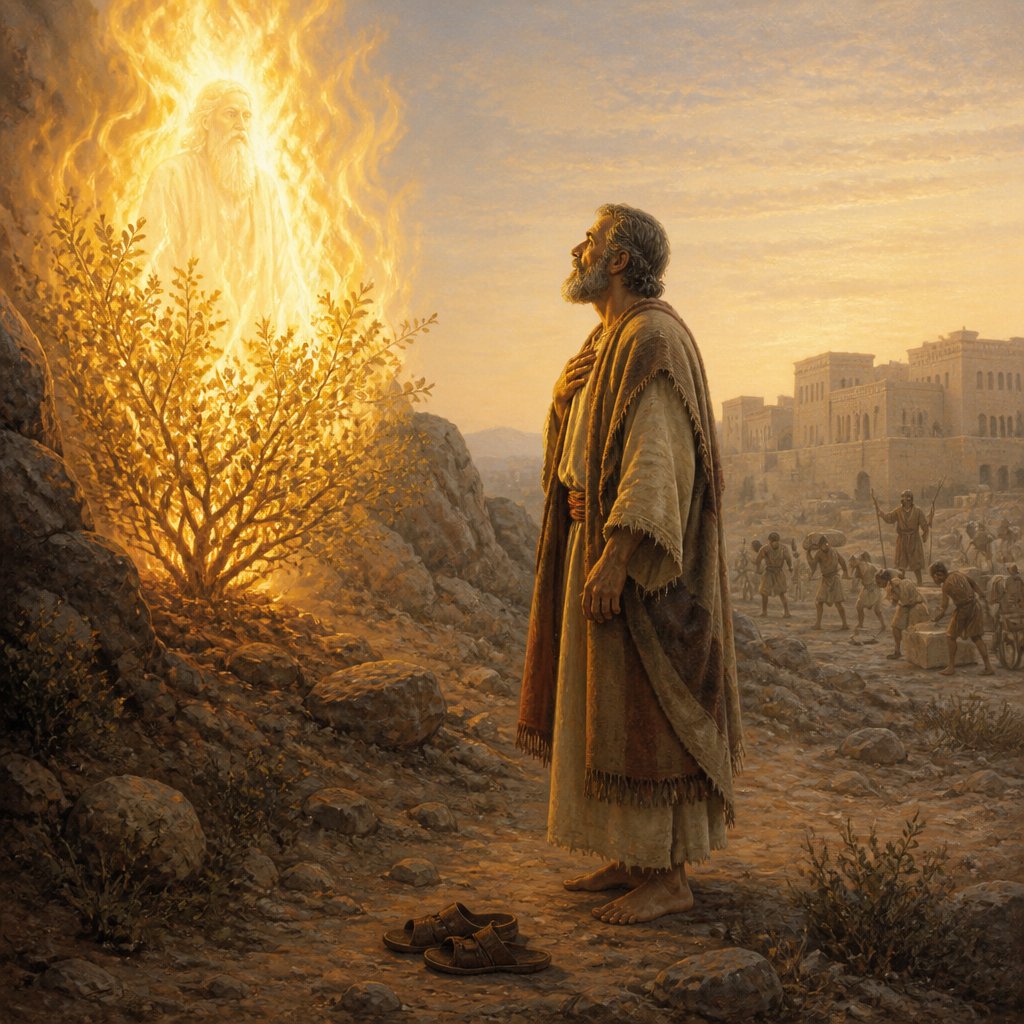
As we delve into Exodus 3:7, we encounter a moment where God reveals His profound understanding of human suffering: "And the LORD said, I have surely seen the affliction of my people which are in Egypt, and have heard their cry by reason of their taskmasters; for I know their sorrows." This single verse is rich in meaning, offering three key insights into the nature of God and His relationship with His people.
### 1. Divine Awareness
The passage begins with God proclaiming, "I have surely seen the affliction of my people." This simple phrase speaks volumes about the nature of our Heavenly Father. He does not stand afar off; He sees us. In our daily lives, we may sometimes feel invisible amidst the hustle and bustle, but God sees our afflictions. He is aware of our struggles, heartaches, and burdens. Consider the Israelites in Egypt, who had endured centuries of harsh slavery and oppression. They were not just a number; they were His people. The same God who saw them sees us today.
God's omniscience means that nothing passes by His attention. Whether it is personal pain, financial hardship, relational strife, or existential questions, God is fully engaged. He is aware of our afflictions that often weigh us down, and even when we feel that no one else sees our suffering, we can take comfort in knowing that God is watching.
### 2. Attentive Hearing
Next, God declares, "I have heard their cry by reason of their taskmasters." Here, we see God's attentive nature. He not only sees the struggles of His people but also hears their cries. In the narrative, the Israelites cried out to God due to their harsh conditions under the taskmasters. Their screams of agony reached Heaven, and God was listening. This imagery is powerful; it conveys that God is not distant and detached but rather intimately involved in the lives of His people.
In our own lives, we often face taskmasters, whether they are external pressures or internal battles. There are times when our cries feel too weak, too muffled by the noise of the world around us, yet God hears us irrespective of how feeble our voices may be. He is ready to respond to every heartfelt cry of distress, indicating that our prayers and laments matter to Him. **Psalm 34:15** tells us that "The eyes of the LORD are upon the righteous, and His ears are open unto their cry." What assurance we find in this knowledge!
### 3. Compassionate Knowledge
Finally, the verse finishes with a profound statement: "For I know their sorrows." This phrase illustrates God's deep compassion. It signifies that He comprehends the depth of our emotional and physical pain. He doesn't just observe from a distance; He empathizes with us. His knowledge of our sorrows is multifaceted and intimate. It includes the experiences that shape us - the grief, disappointment, and suffering that we encounter along our journey.
Having known sorrow Himself, as evidenced in Jesus’ suffering, He can uniquely relate to our pain. God’s heart breaks when we suffer. This knowledge should comfort us, reminding us that we are not alone in our afflictions. When we feel overwhelmed, we must remember that we serve a God who suffers with us, who feels our pain and is committed to walking with us through it.
### Conclusion
In summary, Exodus 3:7 speaks of God’s awareness, His attentive hearing, and His compassionate knowledge regarding our suffering. When we endure hardship, let us cling to the truth that God sees us, hears us, and knows our sorrows. As we reflect on this verse, it can become a source of hope and strength in our lives as we trust in His timing to bring relief, restoration, and ultimately, salvation. God’s love and concern for us emphasize that we are not merely trapped in our circumstances but are held firmly in His compassionate gaze, always ready to intervene in our lives. Let us approach Him with confidence, continually lifting our cries to the One who sees, hears, and knows.
Want to reflect more on Exodus 3:7?
Continue your spiritual journey with Bible Chat — an AI-powered tool for exploring God's Word through conversation. Ask questions, discover connections, and deepen your understanding.
Get Our Apps


Exodus 3:7 Artwork

Exodus 3:7 - "¶ And the LORD said, I have surely seen the affliction of my people which are in Egypt, and have heard their cry by reason of their taskmasters; for I know their sorrows;"
"¶ And the LORD said, I have surely seen the affliction of my people which are in Egypt, and have heard their cry by reason of their taskmasters; for I know their sorrows;" - Exodus 3:7

Exodus 3:7-10 - "And the LORD said, I have surely seen the affliction of my people which are in Egypt, and have heard their cry by reason of their taskmasters; for I know their sorrows; And I am come down to deliver them out of the hand of the Egyptians, and to bring them up out of that land unto a good land and a large, unto a land flowing with milk and honey; unto the place of the Canaanites, and the Hittites, and the Amorites, and the Perizzites, and the Hivites, and the Jebusites. Now therefore, behold, the cry of the children of Israel is come unto me: and I have also seen the oppression wherewith the Egyptians oppress them. Come now therefore, and I will send thee unto Pharaoh, that thou mayest bring forth my people the children of Israel out of Egypt."

"And the LORD said, I have surely seen the affliction of my people which are in Egypt, and have heard their cry by reason of their taskmasters; for I know their sorrows; And I am come down to deliver them out of the hand of the Egyptians, and to bring them up out of that land unto a good land and a large, unto a land flowing with milk and honey; unto the place of the Canaanites, and the Hittites, and the Amorites, and the Perizzites, and the Hivites, and the Jebusites. Now therefore, behold, the cry of the children of Israel is come unto me: and I have also seen the oppression wherewith the Egyptians oppress them. Come now therefore, and I will send thee unto Pharaoh, that thou mayest bring forth my people the children of Israel out of Egypt." - Exodus 3:7-10

Exodus 7:3 - "And I will harden Pharaoh's heart, and multiply my signs and my wonders in the land of Egypt."
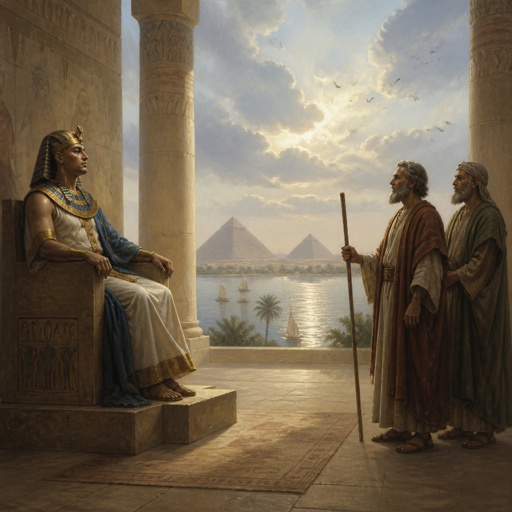
"And I will harden Pharaoh's heart, and multiply my signs and my wonders in the land of Egypt." - Exodus 7:3

exodus 3

Exodus 7:10

Exodus 7:10

Exodus 12:7

Exodus 12:7

Exodus 3:12

Exodus 3:12

Exodus 17:3

Exodus 3:12

Exodus 3:12

Exodus 3:12

exodus 3:11

Exodus 3:14

Exodus 3:14

Exodus 3:14

exodus 3:14

Exodus 3:14

Exodus 17:3

Exodus 3:12

Exodus 3:12

Exodus 7:14-24

Exodus 7:7 - "And Moses was fourscore years old, and Aaron fourscore and three years old, when they spake unto Pharaoh."

Exodus 1:3 - "Issachar, Zebulun, and Benjamin,"

exodus 27:3 forks