Who Am I? Finding Identity in Divine Calling
"¶ And Moses said unto God, Who am I, that I should go unto Pharaoh, and that I should bring forth the children of Israel out of Egypt?" - Exodus 3:11
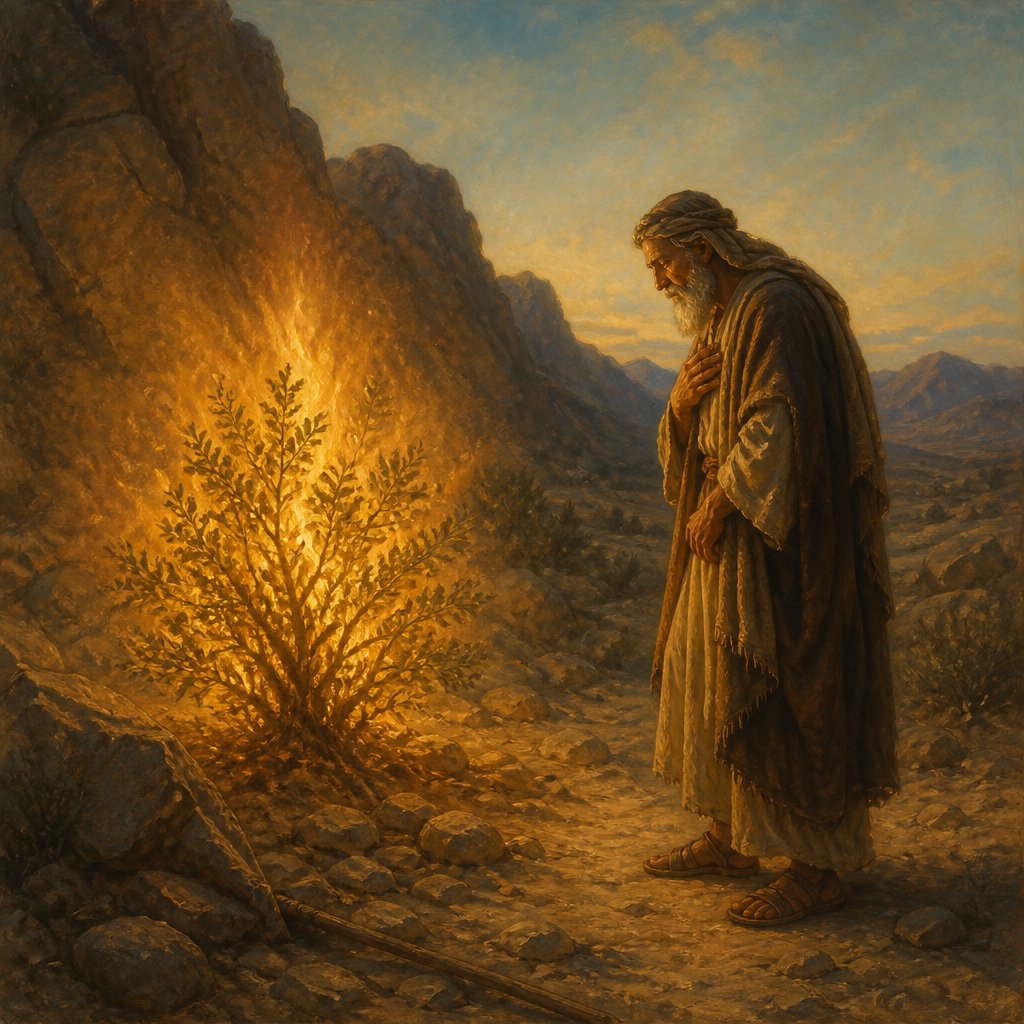
In Exodus 3:11, we encounter a pivotal moment in the life of Moses, a man called to lead the Israelites out of bondage. The verse reads: "And Moses said unto God, Who am I, that I should go unto Pharaoh, and that I should bring forth the children of Israel out of Egypt?" This question resonates powerfully with many of us, echoing through the corridors of time as we grapple with our own sense of identity and purpose.
Upon examining this scripture, we see Moses standing before a burning bush in the wilderness, having fled his past in Egypt after committing murder in defense of a Hebrew slave. At this moment, he is confronted by the living God, who beckons him with a divine mission. Yet, rather than embracing this call with boldness, Moses's first reaction is one of self-doubt and insecurity. "Who am I?" This rhetorical question reveals the deep conflict within him—a man burdened by his past failures and overshadowed by the daunting task ahead.
Moses's reluctance reflects a universal struggle; many of us have asked similar questions in our own lives. When we are faced with a call to serve, lead, or make significant changes, we may find ourselves questioning our qualifications or worthiness. The identity crisis that Moses experiences stands as a mirror to our own insecurities. It’s easy to feel paralyzed by the weight of expectation, especially when we perceive ourselves as flawed or inadequate.
However, God’s response to Moses is profound and transformative. While the text does not record God’s immediate reply, it is crucial to understand the context of the calling. God does not dwell on Moses's self-doubt; instead, He reassures Moses of His presence and power. "Certainly I will be with thee," God later states (Exodus 3:12, KJV). This assurance turns the focus away from Moses’s inadequacies toward God’s capability.
In our spiritual journeys, we often forget that calling is less about our qualifications and more about our willingness to obey. God does not call the equipped; He equips the called. He sees potential in us that we may overlook due to our limited perspective rooted in past mistakes and perceived limitations. Moses had the qualifications of a shepherd, which provided him with leadership experience, patience, and resilience—traits that would ultimately be invaluable during the arduous journey through the wilderness.
Furthermore, it’s important to recognize that identity in Christ transcends our earthly realities. When God calls us, He sees us not as we are but as what we can become in Him. The Apostle Paul echoes this sentiment in 2 Corinthians 5:17 (KJV): "Therefore if any man be in Christ, he is a new creature: old things are passed away; behold, all things are become new." Just as Moses needed to embrace his new identity as God's chosen leader, we too must shed our past identities and insecurities, stepping into the new life that God has ordained for us.
As we reflect on our own lives, let us challenge ourselves with Moses's question, "Who am I?" But rather than remaining in self-doubt, let us seek the Lord for the truth of our identity. In Christ, we are beloved, chosen, and empowered to carry out His work. Each of us has a unique calling—not defined by our pasts but by our present commitment to follow God’s lead.
Let us not shy away from the divine assignments laid before us. Just as God equipped Moses with signs, wonders, and the support of Aaron, He equips us with His Holy Spirit, the gifts of the Church, and a community of believers. When we feel that pull towards something greater, may we remember God’s response to Moses and trust that He will be with us every step of the way.
In conclusion, may we boldly declare in the face of our fears, 'I am not defined by who I was, but by who God has called me to be.' With this conviction, we step forward into the fullness of our divine destiny.
Want to reflect more on Exodus 3:11?
Continue your spiritual journey with Bible Chat — an AI-powered tool for exploring God's Word through conversation. Ask questions, discover connections, and deepen your understanding.
Get Our Apps


Exodus 3:11 Artwork
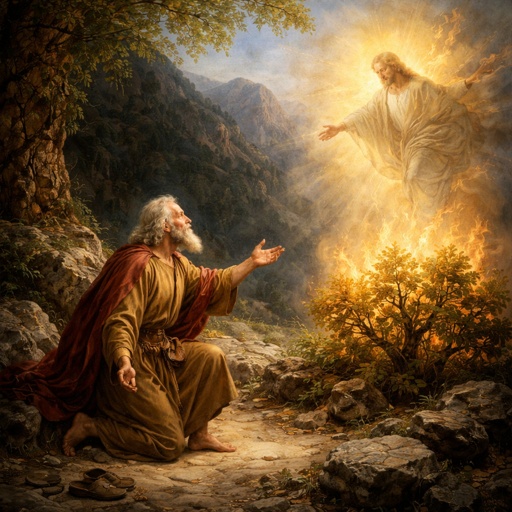
exodus 3:11

Exodus 3:11 - "¶ And Moses said unto God, Who am I, that I should go unto Pharaoh, and that I should bring forth the children of Israel out of Egypt?"
"¶ And Moses said unto God, Who am I, that I should go unto Pharaoh, and that I should bring forth the children of Israel out of Egypt?" - Exodus 3:11

exodus 3

exodus 3:14
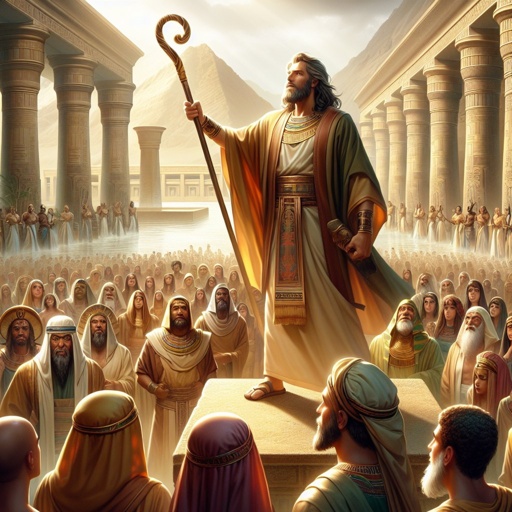
Exodus 11:3 - "And the LORD gave the people favour in the sight of the Egyptians. Moreover the man Moses was very great in the land of Egypt, in the sight of Pharaoh's servants, and in the sight of the people."

exodus 18:11

Exodus 17:11

The Plague on the Firstborn - Exodus 11
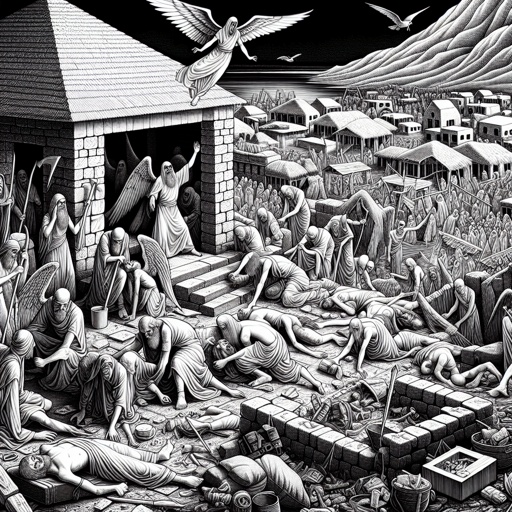
The Plague on the Firstborn - Exodus 11

The Plague on the Firstborn - Exodus 11
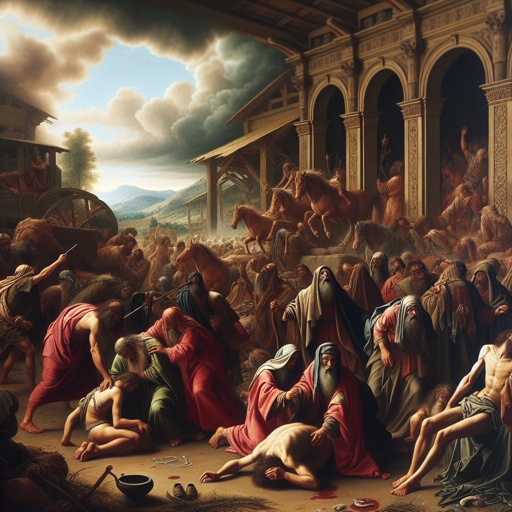
The Plague on the Firstborn - Exodus 11

Exodus 24:9-11

The Plague on the Firstborn - Exodus 11

The Plague on the Firstborn - Exodus 11

Exodus 3:12

Exodus 3:12

Exodus 17:3

Exodus 3:12

Exodus 3:12

Exodus 3:12

Exodus 3:14

Exodus 3:14

Exodus 3:14

Exodus 3:14

Exodus 17:3

Exodus 3:12

Exodus 3:12

Exodus 16:11 - "¶ And the LORD spake unto Moses, saying,"

Exodus 30:11 - "¶ And the LORD spake unto Moses, saying,"