Encountering God in the Desert: Lessons from Moses
"Now Moses kept the flock of Jethro his father in law, the priest of Midian: and he led the flock to the backside of the desert, and came to the mountain of God, even to Horeb." - Exodus 3:1
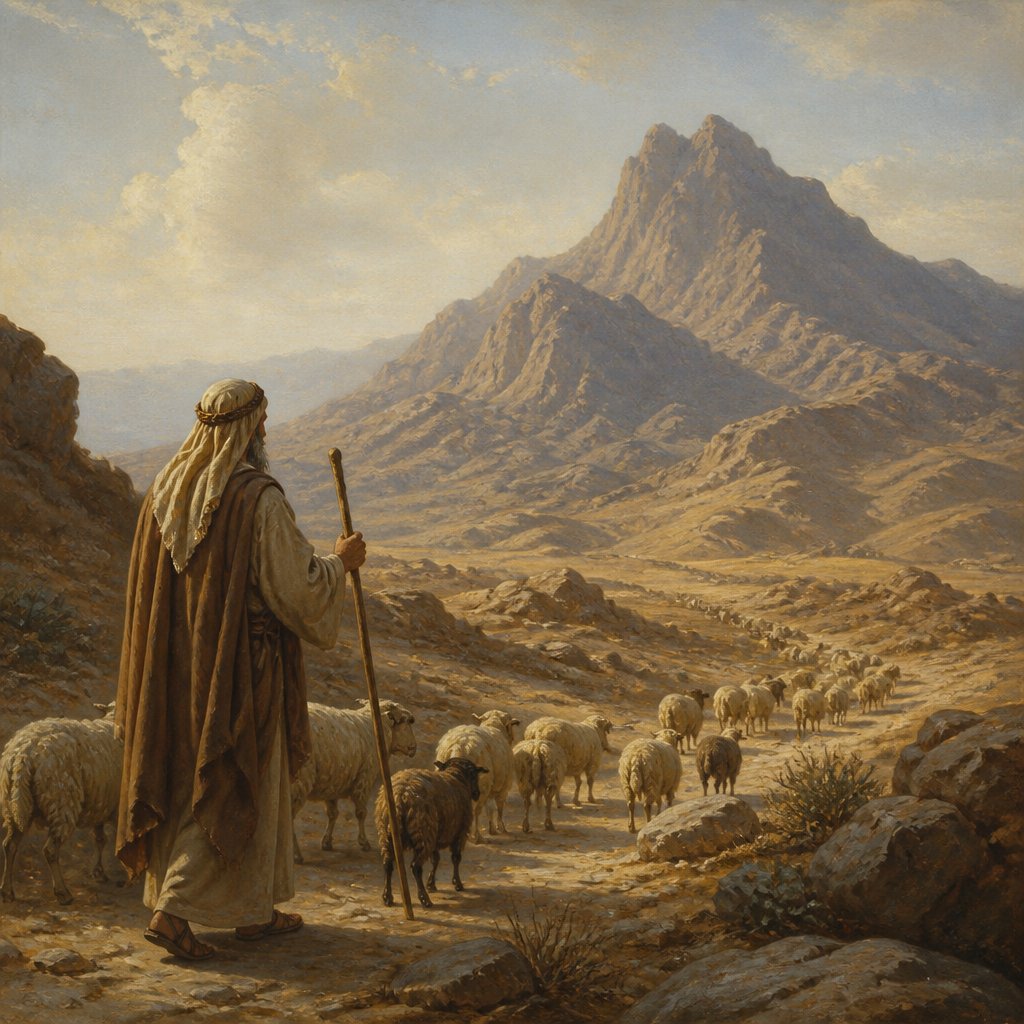
The journey of faith often leads us into unexpected places. In Exodus 3:1, we find Moses in a seemingly mundane situation yet on the brink of an extraordinary encounter with God. The verse states, "Now Moses kept the flock of Jethro his father-in-law, the priest of Midian: and he led the flock to the backside of the desert, and came to the mountain of God, even to Horeb." Let's delve into what this means for our own lives.
Moses, the great leader of the Israelites, was once a fugitive and a shepherd in Midian. His life had taken a dramatic turn after he fled Egypt, where he had committed murder. In Midian, he found refuge, a family, and a job tending sheep—hardly a flattering position for a man destined to lead a nation. Yet, it was in this humble role that God prepared him for greatness. The first lesson we can learn from Moses is that God often uses our hidden, less glamorous times to shape us for His purpose.
Moses was not in a palace, nor was he surrounded by power and influence. Instead, he was in the backside of the desert—remote, lonely, and perhaps even forgotten. How often do we feel sidelined or irrelevant in our own lives? Yet, it is in these quiet moments of life, where we feel least visible, that God does some of His most profound work. When we are stripped of distractions and the busyness of worldly pursuits, we become more attuned to His presence.
The desert is typically viewed as a place of barrenness, but it can also become a holy ground. It is in the desert where we often encounter the true depths of our need for God. Similar to Moses, our wilderness experiences can serve as divine appointments. Perhaps you are in a season of waiting or feeling lost in a desert of your own making—whether it's a career setback, a strained relationship, or a personal struggle. Like Moses, it may seem that nothing of significance can occur in the silence of the desert.
As Moses tended to the sheep under the vast, unending sky, the unexpected happened; he found himself at the mountain of God, Horeb. It is essential to recognize that God is always guiding our steps, often leading us to the very places where we can encounter Him. Horeb, the mountain of God, signifies a divine location where heaven intersects with earth. In the midst of your ordinary moments, God can lead you to your own 'Horeb'—the place where He speaks and reveals Himself to you, if you are attentive.
What Mount Horeb represents for believers today is crucial: it is a space of revelation and transformation. Think about your own life and the moments you have felt an overwhelming sense of God’s presence. They often arrive unexpectedly—during a worship service, a quiet moment of prayer, or a conversation with a friend. Though Moses did not know he was about to encounter God when he led the flock, he was faithfully attending to his rightful duties, a position of humility and service.
Moreover, God chose Moses in his desolation and lack of visibility. It is a reminder that no matter where you are—not seen, not heard, and perhaps forgotten—God has a purpose for you. He can take humble beginnings and shape destinies. When Moses approached Horeb, God met him in a revelatory experience that would change the course of history. Just as Moses was invited to take off his sandals because he was standing on holy ground, we too must recognize the sacred places in our ordinary lives.
In conclusion, consider the margins of your own life where God might be preparing you for a greater purpose. Embrace your current season, however mundane it may seem. Be diligent in your daily tasks, for you never know when God will lead you to your own mountain of revelation. Remember, it is often in the deserts of our lives, through faithfulness in small things, that the most significant encounters with God take place.
Want to reflect more on Exodus 3:1?
Continue your spiritual journey with Bible Chat — an AI-powered tool for exploring God's Word through conversation. Ask questions, discover connections, and deepen your understanding.
Get Our Apps


Exodus 3:1 Artwork

Exodus 3:1 - "Now Moses kept the flock of Jethro his father in law, the priest of Midian: and he led the flock to the backside of the desert, and came to the mountain of God, even to Horeb."
"Now Moses kept the flock of Jethro his father in law, the priest of Midian: and he led the flock to the backside of the desert, and came to the mountain of God, even to Horeb." - Exodus 3:1

exodus 3

Exodus 17:3

exodus 3:14

Exodus 17:3

Exodus 1:3 - "Issachar, Zebulun, and Benjamin,"
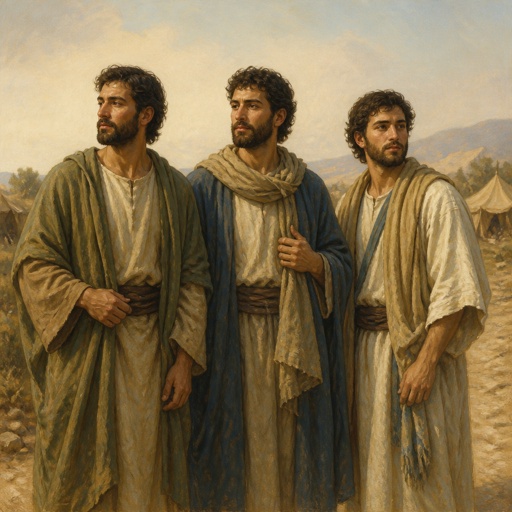
"Issachar, Zebulun, and Benjamin," - Exodus 1:3

Exodus 3:12

Exodus 3:12

Exodus 3:12

Exodus 3:12

Exodus 3:12
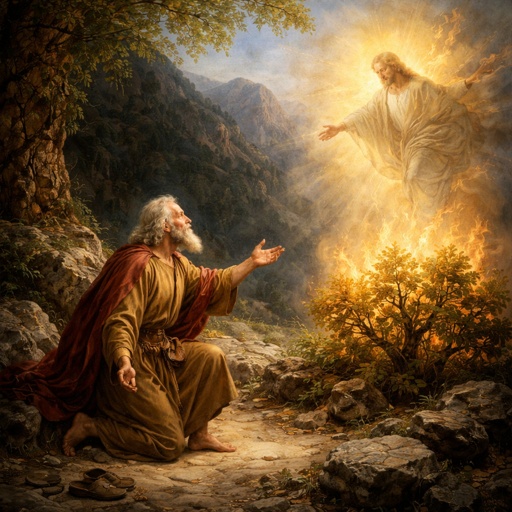
exodus 3:11

Exodus 3:14

Exodus 3:14

Exodus 3:14

Exodus 3:14

Exodus 3:12

Exodus 3:12

exodus 27:3 forks

Exodus 3:3 - "And Moses said, I will now turn aside, and see this great sight, why the bush is not burnt."

Exodus 15:3 - "The LORD is a man of war: the LORD is his name."

Exodus 20:3 - "Thou shalt have no other gods before me."
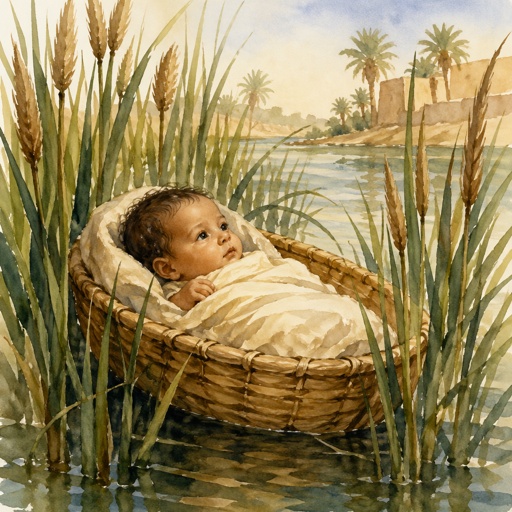
Exodus 2:3 baby Moses in bulrushes

Exodus 21:2-3 If thou buy an Hebrew servant, six years he shall serve: and in the seventh he shall go out free for nothing. (3) If he came in by himself, he shall go out by himself: if he were married, then his wife shall go out with him.

Exodus 23:3 - "¶ Neither shalt thou countenance a poor man in his cause."

Exodus 25:3 - "And this is the offering which ye shall take of them; gold, and silver, and brass,"

Exodus 3:2 – "There the angel of the Lord appeared to him in flames of fire from within a bush."

Exodus 40:3 - "And thou shalt put therein the ark of the testimony, and cover the ark with the vail."