The Compassionate Encounter: Unveiling God’s Heart in Exodus 2:6
"And when she had opened it, she saw the child: and, behold, the babe wept. And she had compassion on him, and said, This is one of the Hebrews' children." - Exodus 2:6
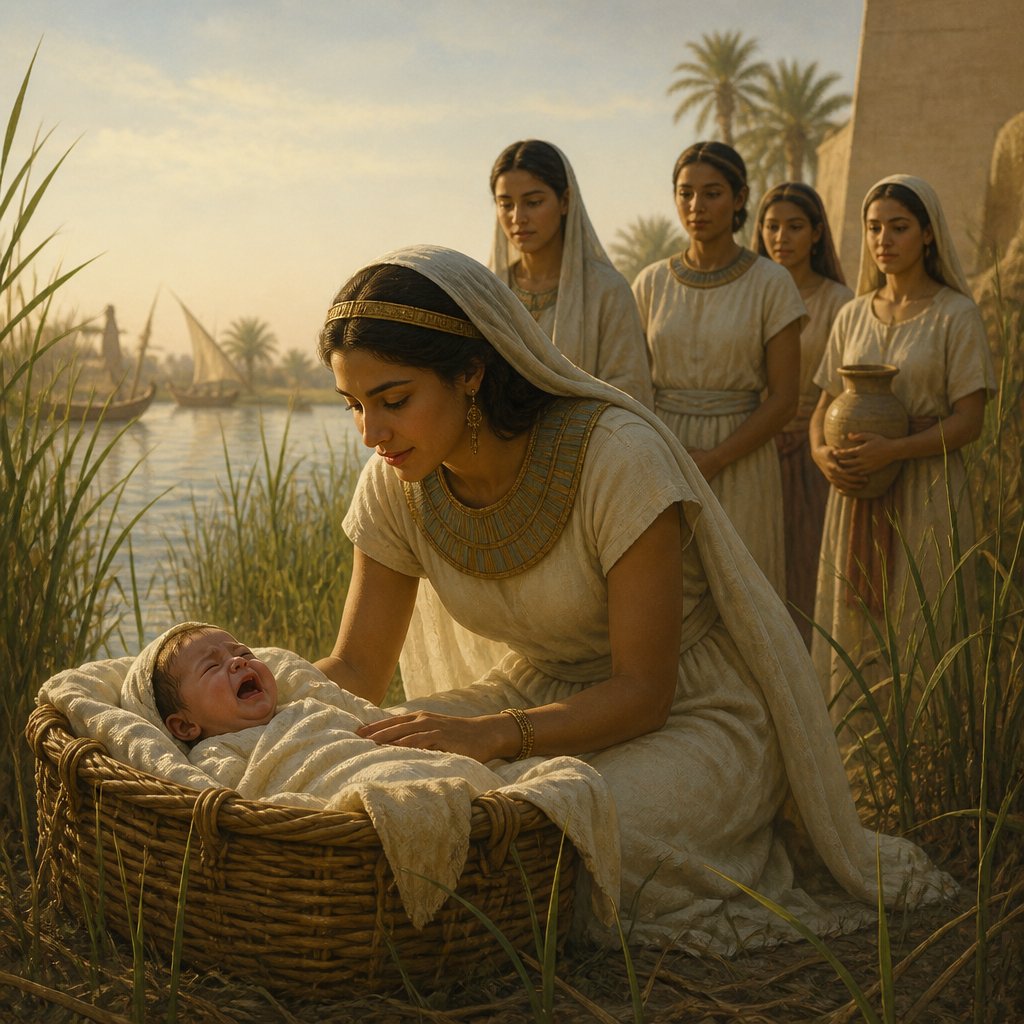
As we delve into Exodus 2:6, we find ourselves in a dramatic moment in the narrative of Moses’s early life: "And when she had opened it, she saw the child: and, behold, the babe wept. And she had compassion on him, and said, This is one of the Hebrews' children." This single verse reveals a profound theological truth about compassion, identity, and divine orchestration.
Moses’s birth occurred during a time of oppression for the Israelites. Pharaoh had decreed that all Hebrew male children be thrown into the Nile, concerned about the growing population of the Israelites. In this dire context, Moses’s mother placed him in a basket and hidden him amongst the reeds, a risky yet faith-driven choice aimed at preserving his life. In what seemed like a desperate act, it set the stage for God’s miraculous plan.
When Pharaoh’s daughter discovers the orphaned child in the basket, her reaction is nothing short of extraordinary. The first thing we notice is her emotional response: "behold, the babe wept." It resonates deeply—this crying infant symbolizes vulnerability and helplessness, rendering Pharaoh's daughter powerless against her emotions. In that moment, she does not see a Hebrew child to be discarded but a little life deserving of love and protection. This reveals the heart of compassion that God desires in all of us, prompting us to see not just the surface but the plight hidden beneath.
Compassion, as illustrated here, is not simply feeling sorry for someone; it compels us to act. The text states she had compassion on him. Compassion is a God-given attribute, a reflection of His character. In the Bible, we find numerous instances where Jesus was moved by compassion—he fed the hungry, healed the sick, and reached out to the marginalized. Likewise, this moment with Pharaoh's daughter reflects a God-infused ability to see beyond societal boundaries.
Moreover, Pharaoh’s daughter recognized Moses’s identity: "This is one of the Hebrews' children." In that recognition lies a striking awareness of the cultural and racial tensions of her time. She was not just a princess in a palace; she was aware of the suffering of the oppressed people across the river. Her statement denotes a moment of internal conflict and realism, realizing she was acting against her father’s decree but answering a divine call of compassion.
This incident beautifully parallels our own lives. Everyone faces moments where choices must be made: do we adhere to societal pressures or follow the calling of compassion that God places in our hearts? There will be times where our circumstances, culture, or even our upbringing might suggest that we turn a blind eye to suffering. Yet, God consistently invites us to engage with the plight of others, to step beyond fear and judgment.
As we reflect on this narrative, we are also reminded of God’s sovereignty. The way in which He orchestrated the rescue of Moses through the very house of his oppressor is nothing short of miraculous. It paints a vivid picture of how God can work through unlikely circumstances and individuals to fulfill His purposes. The challenge, then, is to trust in His plans—especially when we face uncertainty—knowing that every life has intrinsic value, each with a purpose in His greater narrative.
In our journey, we are invited to nurture compassion within us. It starts in our homes, communities, and extends to nations afar. When we approach a child in need (or anyone facing hardship), we are given the chance to act as Pharaoh's daughter did. Each act of compassion, no matter how small, echoes in eternity, potentially changing the course of someone's life.
Today, let us ask ourselves: who is God calling you to show compassion to? In what situations might you be challenged to act against the grain of social expectations, as Pharaoh’s daughter did? Engage your heart and embrace the transformative power of compassion. Trust in God’s providence as we extend our hearts to those who need it most, for in compassion lies the essence of God’s love at work within us.
Want to reflect more on Exodus 2:6?
Continue your spiritual journey with Bible Chat — an AI-powered tool for exploring God's Word through conversation. Ask questions, discover connections, and deepen your understanding.
Get Our Apps


Exodus 2:6 Artwork

Exodus 2:6 - "And when she had opened it, she saw the child: and, behold, the babe wept. And she had compassion on him, and said, This is one of the Hebrews' children."
"And when she had opened it, she saw the child: and, behold, the babe wept. And she had compassion on him, and said, This is one of the Hebrews' children." - Exodus 2:6

Exodus 6:2 - "And God spake unto Moses, and said unto him, I am the LORD:"

Exodus 17:6

Exodus 17:6

Exodus 17:6
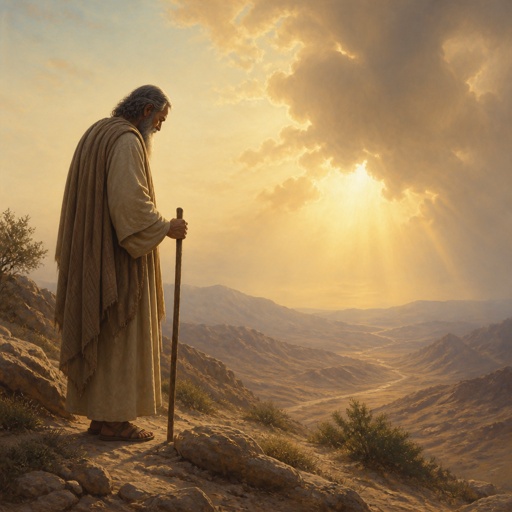
"And God spake unto Moses, and said unto him, I am the LORD:" - Exodus 6:2

Exodus 17:6

Exodus 6:21 - "¶ And the sons of Izhar; Korah, and Nepheg, and Zichri."

Exodus 6:22 - "And the sons of Uzziel; Mishael, and Elzaphan, and Zithri."

Exodus 6:10 - "And the LORD spake unto Moses, saying,"

Exodus 6:17 - "The sons of Gershon; Libni, and Shimi, according to their families."

Exodus 35:6 - "And blue, and purple, and scarlet, and fine linen, and goats' hair,"

Exodus 25:6 - "Oil for the light, spices for anointing oil, and for sweet incense,"

Exodus 1:6 - "And Joseph died, and all his brethren, and all that generation."

Exodus 6:24 - "And the sons of Korah; Assir, and Elkanah, and Abiasaph: these are the families of the Korhites."

Exodus 33:6 - "And the children of Israel stripped themselves of their ornaments by the mount Horeb."

Exodus 38:6 - "And he made the staves of shittim wood, and overlaid them with brass."

Exodus 23:6 - "Thou shalt not wrest the judgment of thy poor in his cause."

Exodus 6:19 - "And the sons of Merari; Mahali and Mushi: these are the families of Levi according to their generations."

Exodus 7:6 - "And Moses and Aaron did as the LORD commanded them, so did they."

Exodus 5:6 - "And Pharaoh commanded the same day the taskmasters of the people, and their officers, saying,"

Exodus 14:6 - "And he made ready his chariot, and took his people with him:"

Exodus 20:6 - "And shewing mercy unto thousands of them that love me, and keep my commandments."

Exodus 6:28 - "¶ And it came to pass on the day when the LORD spake unto Moses in the land of Egypt,"
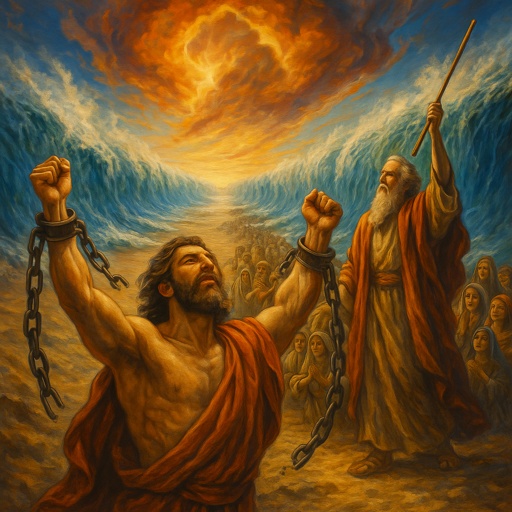
"Wherefore say unto the children of Israel, I am the LORD, and I will bring you out from under the burdens of the Egyptians, and I will rid you out of their bondage, and I will redeem you with a stretched out arm, and with great judgments:" - Exodus 6:6
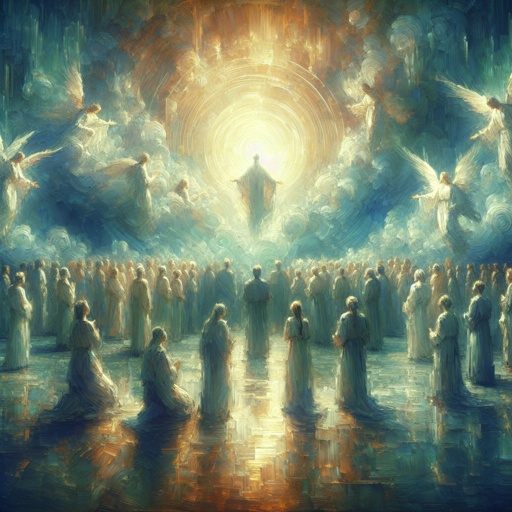
Exodus 20:6 (6) And shewing mercy unto thousands of them that love me, and keep my commandments.
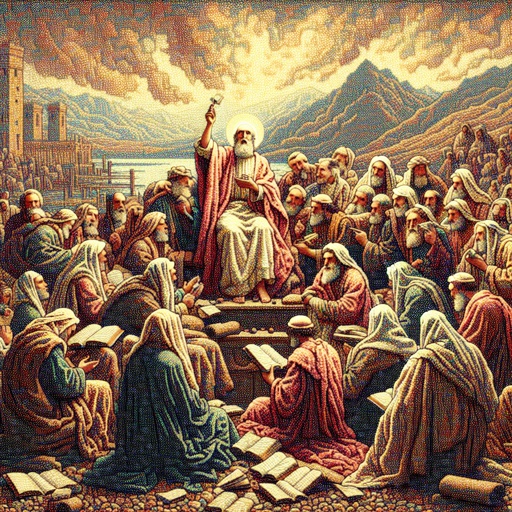
Exodus 20:6 (6) And shewing mercy unto thousands of them that love me, and keep my commandments.
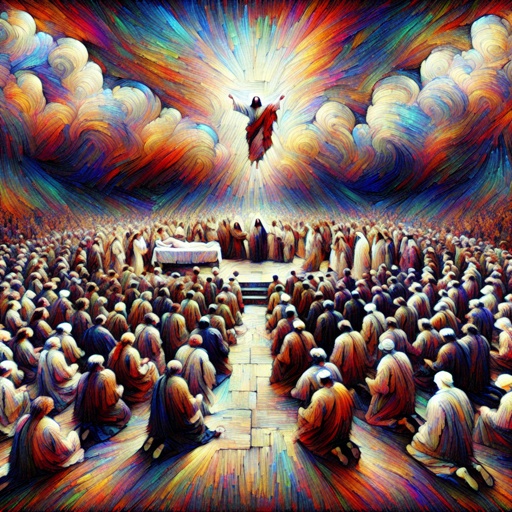
Exodus 20:6 (6) And shewing mercy unto thousands of them that love me, and keep my commandments.
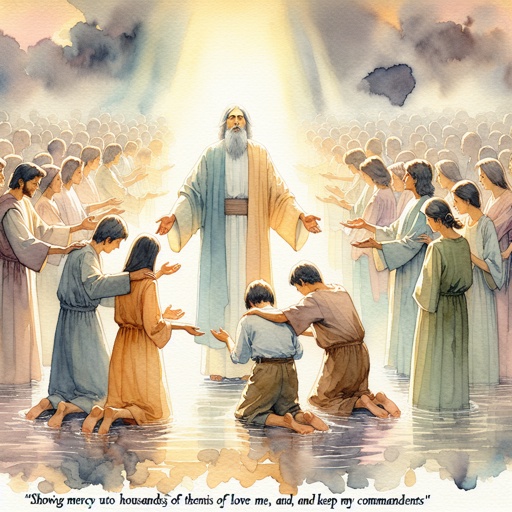
Exodus 20:6 (6) And shewing mercy unto thousands of them that love me, and keep my commandments.