The Sacredness of Consecration
"And if ought of the flesh of the consecrations, or of the bread, remain unto the morning, then thou shalt burn the remainder with fire: it shall not be eaten, because it is holy." - Exodus 29:34
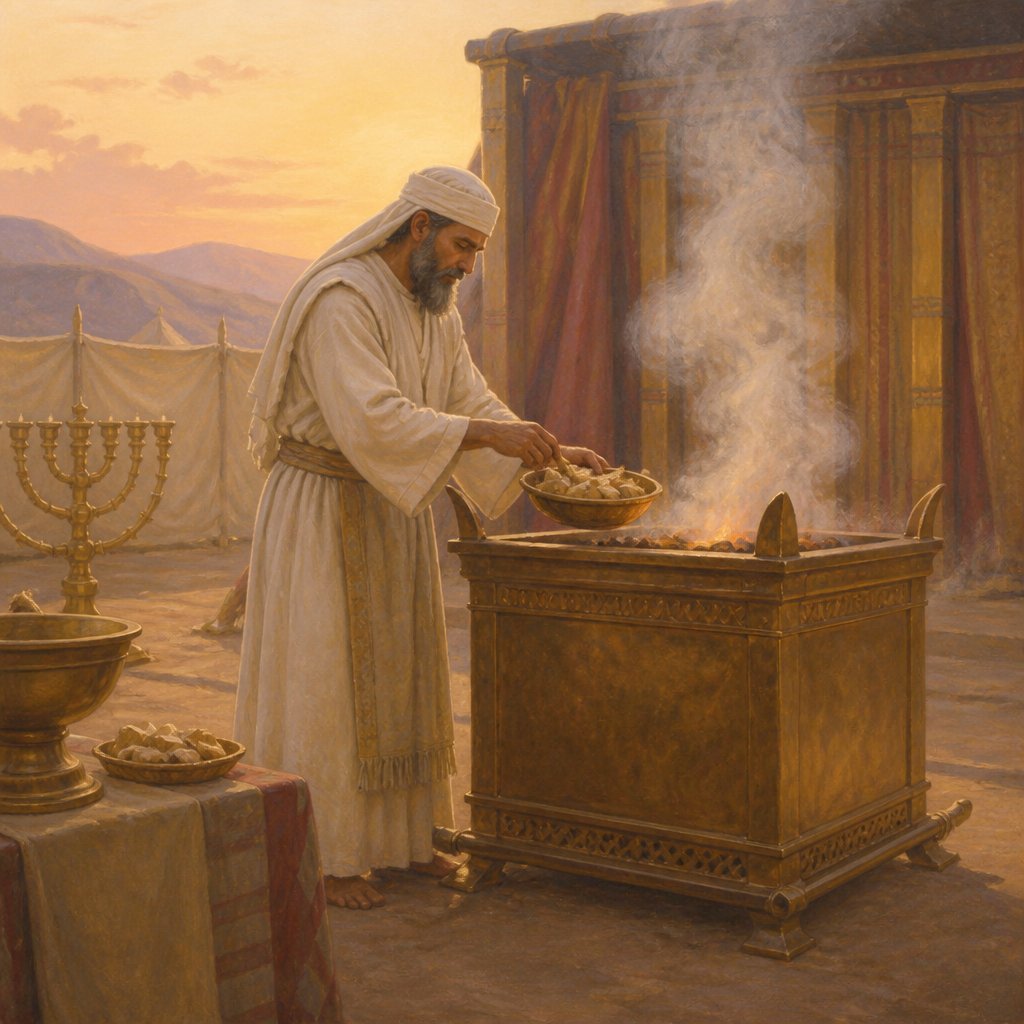
When we approach the Book of Exodus, we are frequently greeted by intricate details regarding the worship and ceremonial laws that the Israelites were to follow. Such is the case with Exodus 29:34: "And if ought of the flesh of the consecrations, or of the bread, remain unto the morning, then thou shalt burn the remainder with fire: it shall not be eaten, because it is holy." To some, this may seem like an archaic rule, confined to the ancient practices of a far-off people. However, this verse opens a profound window into understanding God’s call to holiness and the reverence with which we ought to treat sacred things.
At first glance, the directive seems straightforward. When the offerings made during the consecration of Aaron and his sons, or the bread that was part of their sacrificial meal, were not consumed by morning, they were to be burned. Yet there is much more than mere practicality embedded within this command. God declares that anything remaining is to be treated with utmost respect because it retains its holiness. God dedicates certain items to Himself, and these should not be treated lightly.
To grasp the gravity of this command, we must consider what it meant for something to be "holy" in God’s eyes. Holiness indicates separation from the common; it embodies purity, set apart for divine purposes. The physical remnants of sacrificial offerings and the bread represent God's provision and presence among His people. In Levitical terms, these practices symbolize the covenant relationship – a tangible way of expressing that God communicates with and sustains His people. Thus, if the offerings were not consumed, they could not become common again. They would remain set apart, reminding the people of their covenant with God.
This leads us to reflect upon the nature of our offerings and the spiritual significance behind our consecrations today. Romans 12:1 encourages us to present our bodies as living sacrifices, holy and acceptable to God. Just as the items of consecration in Exodus were considered holy, we, too, are called to live in a manner that reflects God’s holiness. Are we treating our lives, our resources, and our commitments as sacred? We ought to ask ourselves whether we are setting aside time for God, dedicating our relationships, and handling our gifts in recognition of their divine purpose.
Additionally, in a world that often prioritizes acquisition and consumption, this verse serves as a powerful reminder of the importance of surrender and sacrifice. Just as it mattered what happened to leftovers from the offerings, so too does it matter how we handle what God has provided us. When we keep our blessings close and treat them with reverence, we remember that every good and perfect gift comes down from the Father of Lights (James 1:17), who gives generously and requires us to honor Him in our stewardship.
Moreover, the act of burning what remains symbolizes a complete and total surrender to God. It echoes a principle that we need to release our hold on things that are sacred, recognizing that at times, our human inclination may want to hoard blessings or manipulate circumstances. Burning with fire implies purification and the transformation of what was once tangible into the realm of the divine.
In conclusion, let us carry with us the lesson of Exodus 29:34 as a profound encouragement toward holiness and reverence in our lives. It serves as a constant reminder that our sacrifices, those that are intentional and dedicated to God, cannot be treated carelessly. May we aspire to live out our consecration and offerings in ways that honor God and declare our commitment to His holiness, understanding that our lives themselves are reflective of the sacred and beautiful story He is weaving in us. So, cultivate a heart that recognizes the holiness in God’s call, treating every facet of our lives with the gravity, respect, and joy it deserves.
Want to reflect more on Exodus 29:34?
Continue your spiritual journey with Bible Chat — an AI-powered tool for exploring God's Word through conversation. Ask questions, discover connections, and deepen your understanding.
Get Our Apps


Exodus 29:34 Artwork
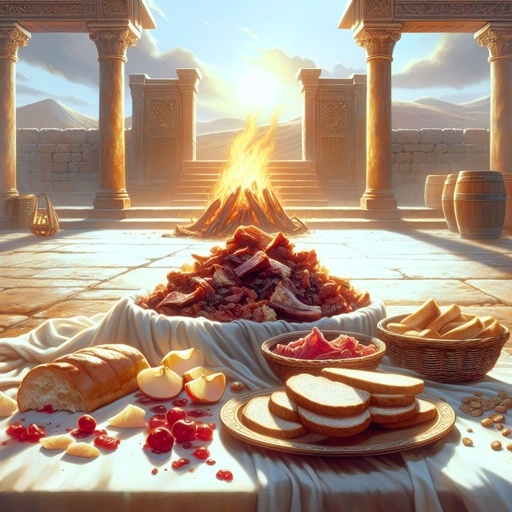
Exodus 29:34 - "And if ought of the flesh of the consecrations, or of the bread, remain unto the morning, then thou shalt burn the remainder with fire: it shall not be eaten, because it is holy." The image should not depict explicit or offensive content but be symbolic.
"And if ought of the flesh of the consecrations, or of the bread, remain unto the morning, then thou shalt burn the remainder with fire: it shall not be eaten, because it is holy." - Exodus 29:34

"And it came to pass, when Moses came down from mount Sinai with the two tables of testimony in Moses’ hand, when he came down from the mount, that Moses wist not that the skin of his face shone while he talked with him." - Exodus 34:29

Exodus 34:29 - "¶ And it came to pass, when Moses came down from mount Sinai with the two tables of testimony in Moses' hand, when he came down from the mount, that Moses wist not that the skin of his face shone while he talked with him."

Matthew 20:29-34

Exodus 40: 34

Exodus 28:31-34

Exodus 28:31-34

Exodus 28:31-34

Exodus 34:17 - "Thou shalt make thee no molten gods."

2 Chronicles 34:29 - "¶ Then the king sent and gathered together all the elders of Judah and Jerusalem."

Exodus 29:29 - "¶ And the holy garments of Aaron shall be his sons' after him, to be anointed therein, and to be consecrated in them."

Numbers 34:29 - "These are they whom the LORD commanded to divide the inheritance unto the children of Israel in the land of Canaan."

Exodus 34:5 - "And the LORD descended in the cloud, and stood with him there, and proclaimed the name of the LORD."

Exodus 40:34 - "¶ Then a cloud covered the tent of the congregation, and the glory of the LORD filled the tabernacle."

Exodus 23:28-29

Genesis 34:29 - "And all their wealth, and all their little ones, and their wives took they captive, and spoiled even all that was in the house."

Exodus 34:8 - "And Moses made haste, and bowed his head toward the earth, and worshipped."

Exodus 34:13 - "But ye shall destroy their altars, break their images, and cut down their groves:"

Exodus 13:17-14:29

Exodus 29:45 - "¶ And I will dwell among the children of Israel, and will be their God."

Exodus 34:33 - "And till Moses had done speaking with them, he put a vail on his face."

Exodus 34:14 - "For thou shalt worship no other god: for the LORD, whose name is Jealous, is a jealous God:"

Exodus 26:34 - "And thou shalt put the mercy seat upon the ark of the testimony in the most holy place."

Exodus 34:34 - "But when Moses went in before the LORD to speak with him, he took the vail off, until he came out. And he came out, and spake unto the children of Israel that which he was commanded."

Exodus 16:34 - "As the LORD commanded Moses, so Aaron laid it up before the Testimony, to be kept."

Exodus 25:34 - "And in the candlestick shall be four bowls made like unto almonds, with their knops and their flowers."

Exodus 39:34 - "And the covering of rams' skins dyed red, and the covering of badgers' skins, and the vail of the covering,"

Numbers 29:34 - "And one goat for a sin offering; beside the continual burnt offering, his meat offering, and his drink offering."

Exodus 12:34 - "And the people took their dough before it was leavened, their kneadingtroughs being bound up in their clothes upon their shoulders."