Resting in His Presence: The Gift of the Sabbath
"But the seventh day is the sabbath of the LORD thy God: in it thou shalt not do any work, thou, nor thy son, nor thy daughter, thy manservant, nor thy maidservant, nor thy cattle, nor thy stranger that is within thy gates:" - Exodus 20:10
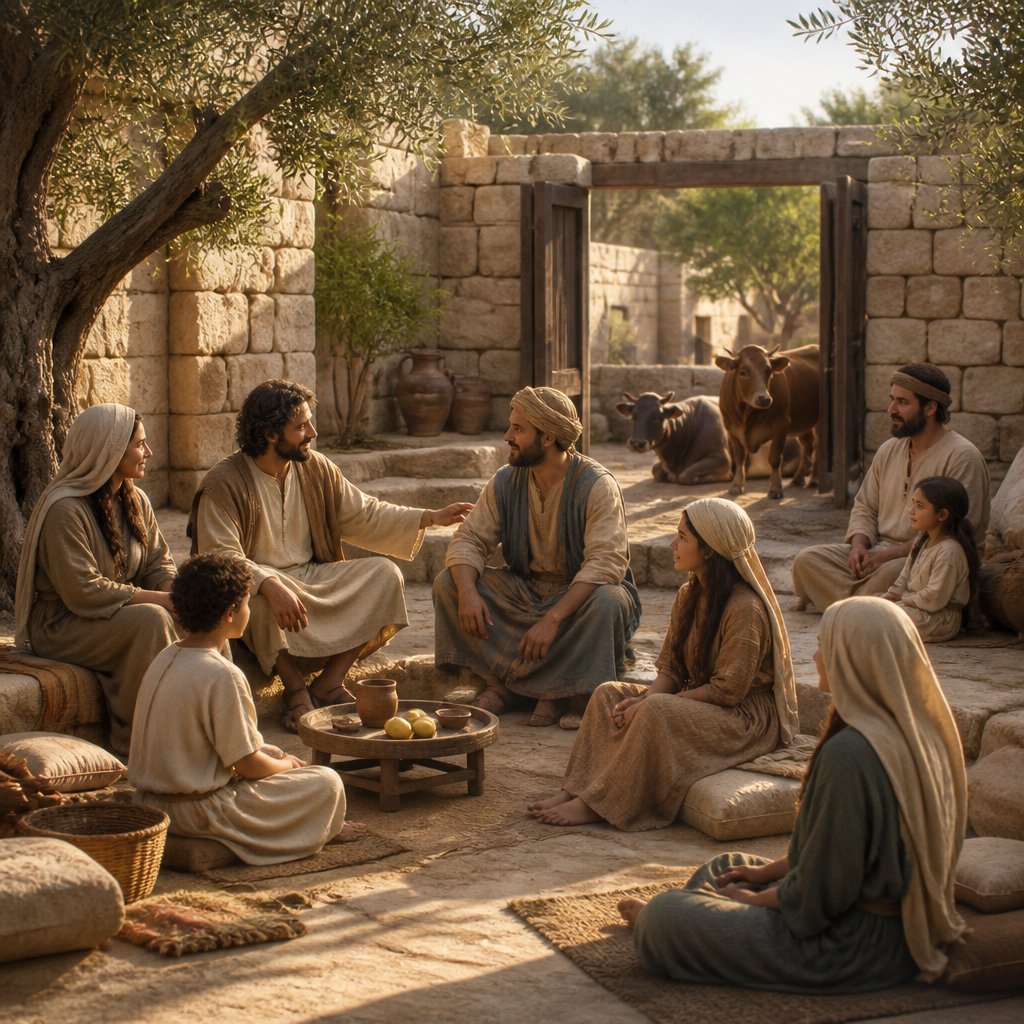
As we reflect on Exodus 20:10, we are reminded of the importance of rest and the sacredness of the Sabbath. The verse reads, "But the seventh day is the sabbath of the LORD thy God: in it thou shalt not do any work, thou, nor thy son, nor thy daughter, thy manservant, nor thy maidservant, nor thy cattle, nor thy stranger that is within thy gates." This commandment stands as a powerful testament to God's desire for us to cease from our labors and to embrace a day of holy rest, a time reserved solely for Him, our families, and fellowship with others.
In a world that glorifies productivity and constant activity, the Sabbath seems increasingly countercultural. Yet, in the heart of this commandment lies a profound truth: our identity is not defined by our work but by our relationship with God. The Sabbath is not merely a day off; it is a divine appointment, an invitation to step away from the chaos of our daily lives and to immerse ourselves in the presence of God.
When God laid out the commandments for His people, He understood our human frailty and the tendency to overextend ourselves. The Sabbath was instituted as a day of restoration, a time where the focus shifts from our incessant toil to the ceaseless grace and mercy of God. It is easy to find ourselves wrapped up in deadlines, chores, and the demands of life, but God lovingly calls us to pause, reflect, and recharge.
In the Sabbath, we are reminded that rest is a reflection of God's own creation. In Genesis, after creating the world, the Bible emphasizes that God rested on the seventh day. This divine rest was not out of necessity but as a model for His creation, indicating that even the Creator finds value in rest. By observing the Sabbath, we acknowledge and honor the rhythm of creation, embracing a time when the world does not revolve around our efforts but rather around God's goodness and provision.
The comprehensive nature of the commandment – involving everyone from sons and daughters to servants and strangers – underscores the communal aspect of the Sabbath. It is designed to be a shared experience, a day set apart for togetherness and worship. In this light, we recognize the opportunity to cultivate deeper relationships with our families, extend hospitality to strangers, and create space for fellowship among the body of Christ.
To neglect the Sabbath is to miss an opportunity bestowed by God to rejuvenate our spirits and deepen our faith. It is a time for reflection, gratitude, and joyous celebration of all that God has done for us. Here we can recenter our thoughts and renew our trust in Him, recognizing that although we may not be working, His work continues unabated in the world around us.
Moreover, as we cease our labors, the Sabbath teaches us dependence on God. We step away from relying on our efforts, trusting instead in His provision. It reminds us that our worth is not tied to what we accomplish but rather in who we belong to as children of the Most High. This brings us to a place of humility, where we can surrender our busyness and our need for control to the One who knows our every need.
In this sacred day of rest, let us also engage in worship and thanksgiving. Whether through prayer, singing, reading Scripture, or enjoying nature, taking time to connect with God effectively refills our empty vessels. As we honor the Sabbath, let it be a reflection of our hearts aligning with the Creator's intent for His creation.
So, as we approach the Sabbath this week, let us embrace this command with open hearts. Let us walk in the peace that accompanies rest, reminding ourselves that it is within this rhythm of work and rest that we grow in our relationship with our Lord. May we find joy in the stillness, knowing that in the presence of God, we experience the ultimate refreshment and renewal.
Want to reflect more on Exodus 20:10?
Continue your spiritual journey with Bible Chat — an AI-powered tool for exploring God's Word through conversation. Ask questions, discover connections, and deepen your understanding.
Get Our Apps


Exodus 20:10 Artwork
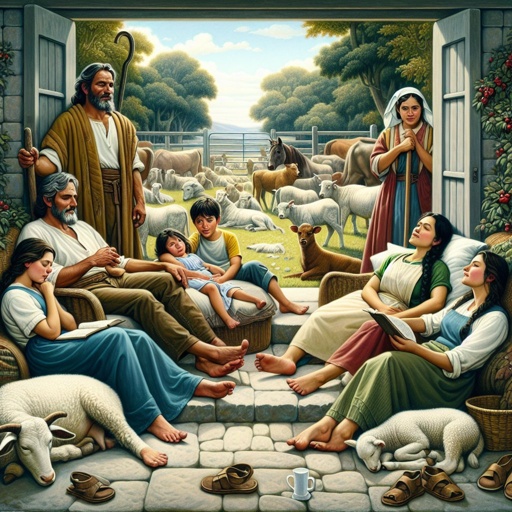
Exodus 20:10 - "But the seventh day is the sabbath of the LORD thy God: in it thou shalt not do any work, thou, nor thy son, nor thy daughter, thy manservant, nor thy maidservant, nor thy cattle, nor thy stranger that is within thy gates:"
"But the seventh day is the sabbath of the LORD thy God: in it thou shalt not do any work, thou, nor thy son, nor thy daughter, thy manservant, nor thy maidservant, nor thy cattle, nor thy stranger that is within thy gates:" - Exodus 20:10

The Plague of Locusts - Exodus 10:1-20

The Plague of Locusts - Exodus 10:1-20

The Plague of Locusts - Exodus 10:1-20

The Plague of Locusts - Exodus 10:1-20

The Plague of Locusts - Exodus 10:1-20

The Plague of Locusts - Exodus 10:1-20

The Plague of Locusts - Exodus 10:1-20

The Plague of Locusts - Exodus 10:1-20

Exodus 10:20 - "But the LORD hardened Pharaoh's heart, so that he would not let the children of Israel go."
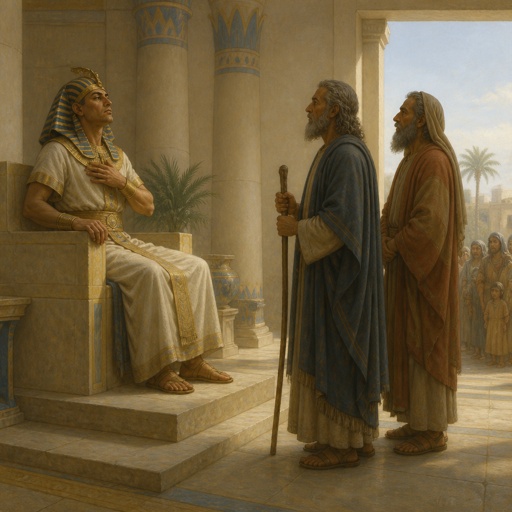
"But the LORD hardened Pharaoh's heart, so that he would not let the children of Israel go." - Exodus 10:20

Exodus 23:20

Exodus 20:2

Exodus 27:20

Exodus 27:20

Exodus 27:20

Exodus 20:14

Exodus 20:13 - "Thou shalt not kill."

Exodus 20:15 - "Thou shalt not steal."

Exodus 27:19-20

Exodus 19:16-20

Exodus 20:14 - "Thou shalt not commit adultery."

Exodus 20:1 - "And God spake all these words, saying,"

Exodus 20:8 - "Remember the sabbath day, to keep it holy."

Exodus 7:10

Exodus 7:10

Exodus 10:12
Exodus 17:10

Exodus 10:12