Courage in the Shadows: The Legacy of Shiphrah and Puah
"¶ And the king of Egypt spake to the Hebrew midwives, of which the name of the one was Shiphrah, and the name of the other Puah:" - Exodus 1:15
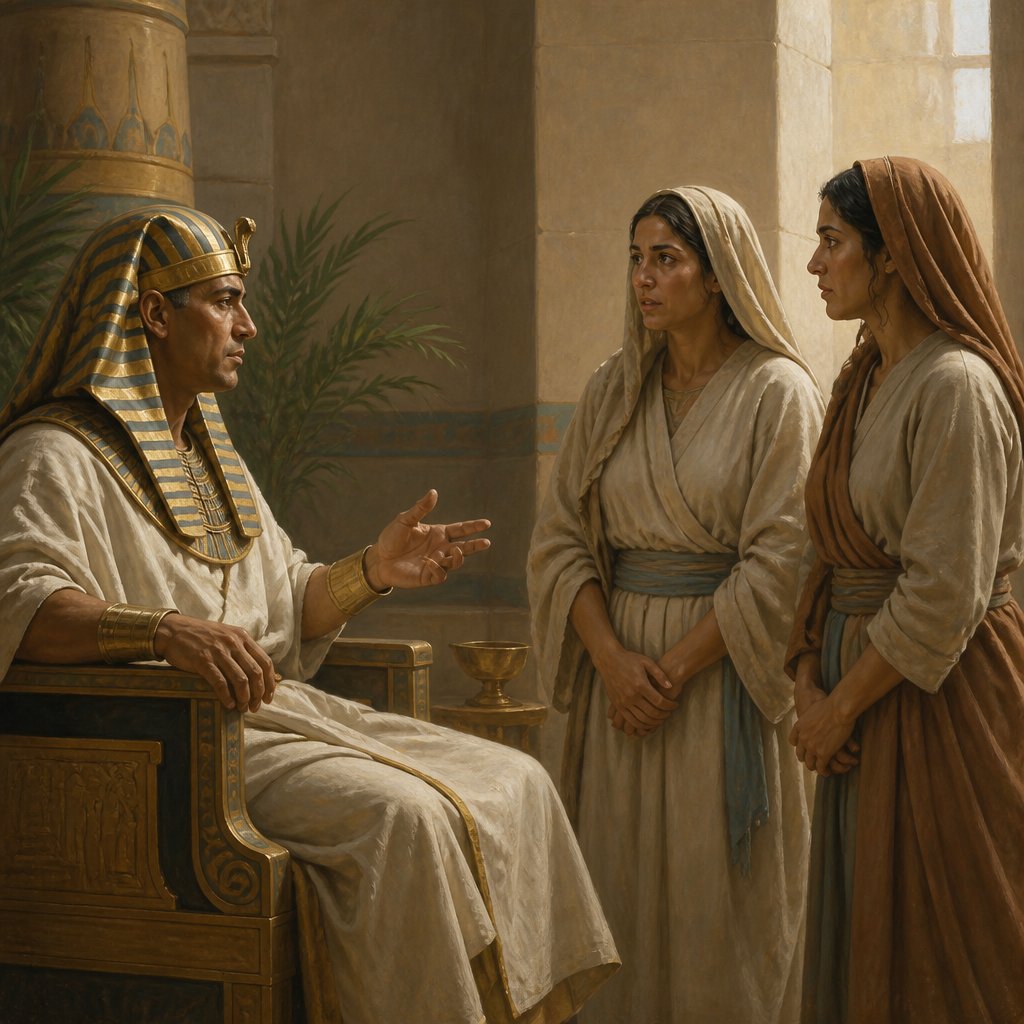
In the midst of turmoil and oppression, Exodus 1:15 opens a window into the lives of two remarkable women whose courage altered the course of history: "And the king of Egypt spake to the Hebrew midwives, of which the name of the one was Shiphrah, and the name of the other Puah." These women were not named for their lineage, wealth, or power; rather, they are highlighted for their unwavering faith and moral fortitude in a dark era.
The context of this scripture is significant. The Israelites, having multiplied significantly in Egypt, were viewed by Pharaoh as a threat. He devised a brutal plan to control the population—a decree to kill all newborn Hebrew boys, leaving the daughters alive for potential assimilation. Enter Shiphrah and Puah, the midwives, who were commanded to follow Pharaoh’s orders. In a society where their voices were muted and lives precariously balanced, they chose to stand against the tyrant, propelled by their belief in the God of Israel.
What does it mean to reside in darkness and still choose to act in accordance with one’s convictions? Shiphrah and Puah exemplified this degree of faith and courage, defying the king’s oppressive demands. Their fear of God outweighed their fear of man, showing that true strength often lies in obedience to a higher calling. This component of their story serves as a poignant reminder for us in our contemporary situations, where we might face ethical dilemmas or societal pressures to compromise our values.
In our world today, we are often confronted with laws and norms that may contradict our beliefs. It can be tempting to conform, to remain silent, or to seek our own security. However, Shiphrah and Puah’s refusal to submit to Pharaoh’s commands teaches us that righteousness may come at a personal cost—yet, divine favor accompanies acts of faithfulness. Their decision to save the boys was a small act that contributed to the larger narrative of Israel’s deliverance and the ultimate coming of Christ.
When we dig deeper into their response, we see that Shiphrah and Puah did not simply rebel—they acted with wisdom and ingenuity. They defended life, not with aggression but with strategy. They explained to Pharaoh that the Hebrew women were vigorous and gave birth before the midwives could arrive. This not only protected them from impending punishment but also demonstrated their quick thinking and determination amidst persecution. Such creativity in upholding truth serves as a call for us to think critically and act wisely in face of challenges before us.
Consider how often we find ourselves in the shadows, facing decisions that test our values. Are we willing to echo the courage of Shiphrah and Puah in our workplaces, schools, and communities? In an age where societal pressures can often lead us astray, may we instead choose paths that honor our convictions and reflect our faith.
Furthermore, we remember that God rewards faithfulness. The outcome of their bravery is not lost in the text. Following their act of defiance, the narrative progresses toward liberation and hope. Their legacy did not end as mere midwives; they became crucial players in God's unfolding plan of salvation. Their story encourages us that acts made in obscurity, with sincerity of heart toward God, set in motion pivotal changes that can resonate through generations.
In conclusion, as we reflect on this scripture, let us be inspired by Shiphrah and Puah. May their courage embolden us. Let us raise our voices against injustice, act with integrity in the face of opposition, and remind ourselves that our God sees and honors those who fear Him. There will always be a demand for boldness in a world that often requires silence. Like the midwives, let us diligently seek to stand as witnesses of life and hope, trusting in the profound impact of our obedience.
Want to reflect more on Exodus 1:15?
Continue your spiritual journey with Bible Chat — an AI-powered tool for exploring God's Word through conversation. Ask questions, discover connections, and deepen your understanding.
Get Our Apps


Exodus 1:15 Artwork

Exodus 1:15 - "¶ And the king of Egypt spake to the Hebrew midwives, of which the name of the one was Shiphrah, and the name of the other Puah:"
"¶ And the king of Egypt spake to the Hebrew midwives, of which the name of the one was Shiphrah, and the name of the other Puah:" - Exodus 1:15

Exodus 28:15-30

Exodus 8:1-15

Exodus 1:5 - "And all the souls that came out of the loins of Jacob were seventy souls: for Joseph was in Egypt already."

The Plague of Frogs - Exodus 8:1-15

The Plague of Frogs - Exodus 8:1-15

The Plague of Frogs - Exodus 8:1-15

The Plague of Frogs - Exodus 8:1-15

The Plague of Frogs - Exodus 8:1-15
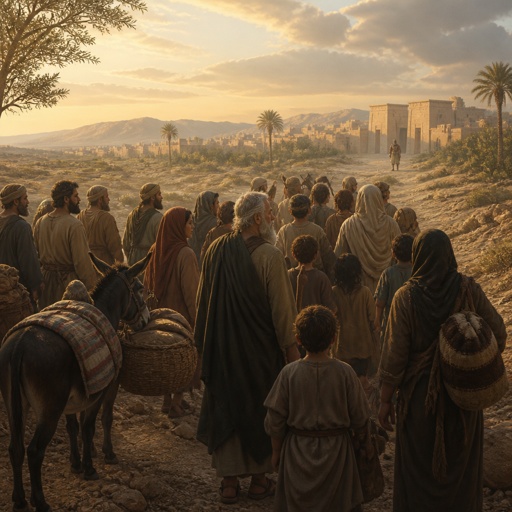
"And all the souls that came out of the loins of Jacob were seventy souls: for Joseph was in Egypt already." - Exodus 1:5

exodus 15

Exodus 15:22

Exodus 15:23

Exodus 15:5
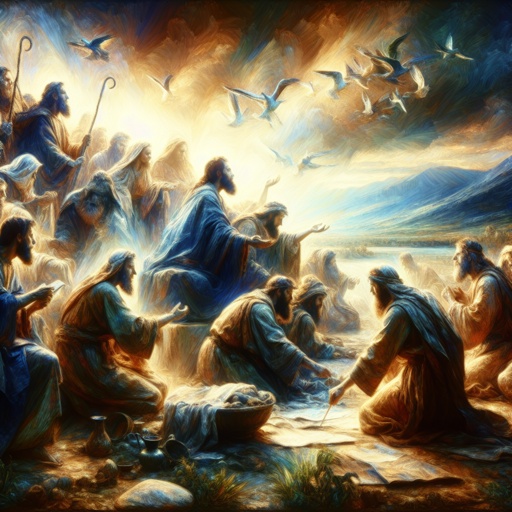
Exodus 15:23

Exodus 15:21

Exodus 20:15 - "Thou shalt not steal."

Exodus 15:1 - "Then sang Moses and the children of Israel this song unto the LORD, and spake, saying, I will sing unto the LORD, for he hath triumphed gloriously: the horse and his rider hath he thrown into the sea."

Exodus 15:18 - "The LORD shall reign for ever and ever."

Exodus 15:3 - "The LORD is a man of war: the LORD is his name."

Exodus 17:15 - "And Moses built an altar, and called the name of it Jehovah-nissi:"

Exodus 25:15 - "The staves shall be in the rings of the ark: they shall not be taken from it."

Exodus 24:15 - "And Moses went up into the mount, and a cloud covered the mount."

Exodus 15:5 - "The depths have covered them: they sank into the bottom as a stone."

"Thou shalt not steal." - Exodus 20:15
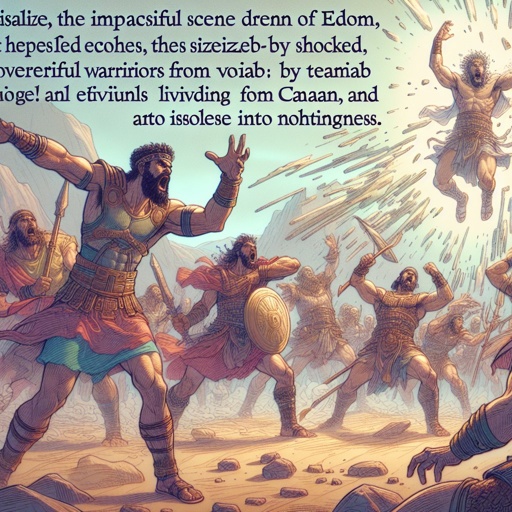
Exodus 15:15 - "Then the dukes of Edom shall be amazed; the mighty men of Moab, trembling shall take hold upon them; all the inhabitants of Canaan shall melt away."

Exodus 26:15 - "¶ And thou shalt make boards for the tabernacle of shittim wood standing up."

Exodus 39:15 - "And they made upon the breastplate chains at the ends, of wreathen work of pure gold."

Exodus 15:24 - "And the people murmured against Moses, saying, What shall we drink?"