From Bitterness to Blessing: Finding Hope in Marah
"¶ And when they came to Marah, they could not drink of the waters of Marah, for they were bitter: therefore the name of it was called Marah." - Exodus 15:23

In the book of Exodus, chapter 15:23, we read, "And when they came to Marah, they could not drink of the waters of Marah, for they were bitter: therefore the name of it was called Marah." This verse speaks of a pivotal moment in the journey of the Israelites as they fled from the bondage of Egypt, traversing through the wilderness towards the promised land. Their arrival at Marah presents a stark contrast to the hope and liberation they had just experienced. Instead of refreshing waters to quench their thirst, they were confronted with bitterness. This passage invites us to reflect on the deeper implications of our own 'Marah' experiences in life.
The name "Marah" means bitterness in Hebrew, and it serves as a powerful metaphor for the struggles and trials we encounter in our spiritual journey. After an exhilarating experience of salvation and divine intervention, the Israelites found themselves in a situation that tested their faith. When we come to our own Marah, when life presents us with bitter waters—whether in the form of grief, disappointment, or trials—we may feel disheartened and questioning of God’s goodness.
As we explore this narrative, we cannot overlook the context of what the Israelites had just experienced. They had witnessed the miraculous parting of the Red Sea, had escaped the grasp of Pharaoh, and had sung praises to God. Yet, they swiftly moved from a place of victory to one of desperation.
This pattern resonates with us today. We often experience seasons of joy, where we feel close to God, followed by overwhelming moments of despair. In these moments at Marah, we may discover feelings of bitterness and confusion as we wrestle with our circumstances. We might ask ourselves: Why me? Why now? Where is God in my suffering? It is vital to acknowledge these feelings rather than suppress them. God invites us to bring our questions and our pain directly to Him.
When the Israelites realized their plight at Marah, they voiced their dissatisfaction to Moses, questioning why they would face such hardship so soon after liberation. In our own lives, we can express our discontent, lament our faithful journeys that have led us into unexpected bitterness. To feel our circumstances deeply does not equate to a lack of faith; rather, it demonstrates our earnestness in seeking God’s presence and intervention.
What’s profoundly remarkable about the narrative of Marah is that God does not abandon His people in their bitter moment. Instead, He provides a solution. In Exodus 15:25, we read that after Moses cried unto the Lord, God showed him a tree, which he cast into the waters, and the waters were made sweet. Here, we see the merciful hand of God bringing hope to despair.
This act of divine intervention is a powerful reminder that even in the midst of bitterness, there is a transformative potential waiting for us. The tree, often interpreted as a symbol for the cross of Christ, signifies that our bitterness can become sweet through the redemptive work of Christ in our lives. When we bring our bitterness to God, He has the power to turn our trials into testimonies, our suffering into strength, and our despair into hope.
Marah teaches us that experiencing bitterness does not have to be the end of our story; it can become a place of encounter with God. As believers, we are encouraged to look upon our Marah moments not merely as burdens but as opportunities for God’s sweet grace to penetrate our dry and bitter hearts. Let us approach our Marah experiences with the faith that God is present, and He will provide a way to make our bitter waters sweet. Indeed, in Him, we find hope, healing, and ultimately, restoration.
Want to reflect more on Exodus 15:23?
Continue your spiritual journey with Bible Chat — an AI-powered tool for exploring God's Word through conversation. Ask questions, discover connections, and deepen your understanding.
Get Our Apps


Exodus 15:23 Artwork

Exodus 15:23
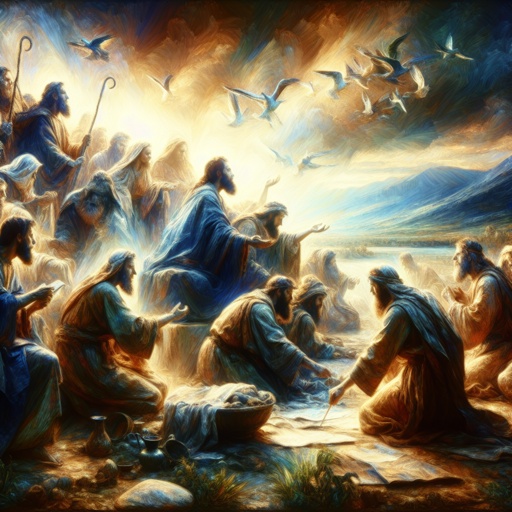
Exodus 15:23

Exodus 15:23 - "¶ And when they came to Marah, they could not drink of the waters of Marah, for they were bitter: therefore the name of it was called Marah."

"¶ And when they came to Marah, they could not drink of the waters of Marah, for they were bitter: therefore the name of it was called Marah." - Exodus 15:23

Exodus 15:23-25 - "When they came to Marah, they could not drink its water because it was bitter. (That is why the place is called Marah.) So the people grumbled against Moses, saying, "What are we to drink?" Then Moses cried out to the LORD, and the LORD showed him a piece of wood. He threw it into the water, and the water became fit to drink. There the LORD issued a ruling and instruction for them and put them to the test."

"When they came to Marah, they could not drink its water because it was bitter. (That is why the place is called Marah.) So the people grumbled against Moses, saying, "What are we to drink?" Then Moses cried out to the LORD, and the LORD showed him a piece of wood. He threw it into the water, and the water became fit to drink. There the LORD issued a ruling and instruction for them and put them to the test." - Exodus 15:23-25

Exodus 23:20

Exodus 23:4

Exodus 23:28

Exodus 23:15 - "Thou shalt keep the feast of unleavened bread: (thou shalt eat unleavened bread seven days, as I commanded thee, in the time appointed of the month Abib; for in it thou camest out from Egypt: and none shall appear before me empty:)"

Exodus 23:4

Exodus 23:28

exodus 15

Exodus 23:27-28

Exodus 23:28-29

Exodus 15:22

Exodus 15:5

Exodus 15:21

Matthew 15:23

Matthew 15:23
Luke 15:23

Genesis 23-15

Exodus 23:32 - "Thou shalt make no covenant with them, nor with their gods."

Exodus 20:15 - "Thou shalt not steal."

Exodus 28:15-30

Exodus 8:1-15

Exodus 23:6 - "Thou shalt not wrest the judgment of thy poor in his cause."

Exodus 23:23 - "For mine Angel shall go before thee, and bring thee in unto the Amorites, and the Hittites, and the Perizzites, and the Canaanites, the Hivites, and the Jebusites: and I will cut them off."

Joshua 15:23 - "And Kedesh, and Hazor, and Ithnan,"

Leviticus 23:15-22