The Cost of Resistance: Lessons from Exodus 10:7
"And Pharaoh's servants said unto him, How long shall this man be a snare unto us? let the men go, that they may serve the LORD their God: knowest thou not yet that Egypt is destroyed?" - Exodus 10:7

In Exodus 10:7, we hear the desperate cry of Pharaoh's servants, pleading with him concerning Moses and the plagues wreaking havoc upon Egypt. The King James Version captures their urgency beautifully: "And Pharaoh's servants said unto him, How long shall this man be a snare unto us? let the men go, that they may serve the LORD their God: knowest thou not yet that Egypt is destroyed?" This verse stands as a poignant reminder of the destructive nature of stubbornness in the face of divine authority.
Pharaoh represents a human heart resistant to change, one that clings to power and control at the expense of his own people. The servants, on the other hand, symbolize the realization that comes too late to many of us when we victimized by our own choices. Their words carry not just a request, but a revelation – that their refusal to heed God’s command led to ruin. This realization brings us to a critical junction: the understanding of the cost of our disobedience.
Throughout the Book of Exodus, we see God’s relentless pursuit of His people and His unwavering call for them to free themselves from bondage. In the same way, God seeks to free us from the snares of our own making. As Pharaoh remained defiant, he subjected his land to plagues that caused immense suffering and destruction - his refusal to submit to God only led to greater loss. This begs the question: How often do we persist in our stubbornness, allowing pride to blind us to the consequences of our actions?
How long shall this man be a snare unto us? This query strikes at the heart of our lives. How long do we remain ensnared by our sins, our unforgiveness, our bitterness, or even our pride? There comes a point when circumstances become so dire that clarity dawns upon us. The servants saw Egypt in complete ruin; they recognized that their leader’s stubbornness jeopardized not only their lives but their livelihoods. The devastation caused by their king's obstinacy called them into action, showing us that sometimes it takes hitting rock bottom to stir the courage within us to change.
The call to “let the men go, that they may serve the LORD their God” is paramount. This clarion call echoes across generations, extending to us today. It serves as a reminder that true freedom is found in serving God. In what ways might our own lives mirror Pharaoh’s leadership? Is there an area that we refuse to relinquish control over, despite the mounting evidence of destruction? Are we ensnared by the false promises of this world, holding onto things that bring us further away from God?
Furthermore, the phrase “knowest thou not yet that Egypt is destroyed?” serves as a wake-up call to the obliviousness that often accompanies sin. We can be so entrenched in our strongholds that we fail to see the chaos around us. Pharaoh could have avoided further calamity if he had only listened. The servants’ exasperation reflects the heartbreak of those who must suffer under an oppressive authority. It highlights the importance of discernment in our positions of influence. As followers of Christ, we are called to be leaders that inspire transformation rather than destruction.
As we reflect on Exodus 10:7, let us consider our own hearts. What is ensnaring us? What are we holding onto that is causing ruin in our lives and the lives of those around us? It takes humility to acknowledge where we have gone astray and wisdom to choose a different path. Let us not be like Pharaoh, whose heart hardened led to devastation. Instead, let us respond in humility and surrender to God, recognizing that true prosperity is found in serving Him.
Want to reflect more on Exodus 10:7?
Continue your spiritual journey with Bible Chat — an AI-powered tool for exploring God's Word through conversation. Ask questions, discover connections, and deepen your understanding.
Get Our Apps


Exodus 10:7 Artwork

Exodus 10:7 - "And Pharaoh's servants said unto him, How long shall this man be a snare unto us? let the men go, that they may serve the LORD their God: knowest thou not yet that Egypt is destroyed?"

"And Pharaoh's servants said unto him, How long shall this man be a snare unto us? let the men go, that they may serve the LORD their God: knowest thou not yet that Egypt is destroyed?" - Exodus 10:7

Exodus 7:10

Exodus 7:10

Exodus Chapter 7 Verses 8-10

Exodus 7:10 The Lord’s power defeating pharaoh’s magicians.

Exodus 7:10 Aaron’s staff eating pharaoh’s serpents

Exodus 7:10 - "¶ And Moses and Aaron went in unto Pharaoh, and they did so as the LORD had commanded: and Aaron cast down his rod before Pharaoh, and before his servants, and it became a serpent."

Exodus 10:12
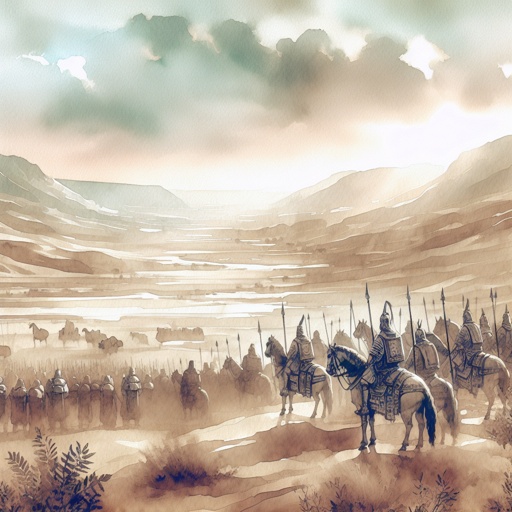
Exodus 17:10

Exodus 10:12

Exodus 10:12

Exodus 12:7

Exodus 12:7

Exodus 25:10-22

Exodus 7:14-24

Exodus 6:10 - "And the LORD spake unto Moses, saying,"

Exodus 7:7 - "And Moses was fourscore years old, and Aaron fourscore and three years old, when they spake unto Pharaoh."

Exodus 25:7 - "Onyx stones, and stones to be set in the ephod, and in the breastplate."

Exodus 10:18 - "And he went out from Pharaoh, and intreated the LORD."

The Plague of Locusts - Exodus 10:1-20

The Plague of Darkness - Exodus 10:21-29

The Plague of Locusts - Exodus 10:1-20

The Plague of Darkness - Exodus 10:21-29

The Plague of Darkness - Exodus 10:21-29

The Plague of Darkness - Exodus 10:21-29

The Plague of Darkness - Exodus 10:21-29

The Plague of Darkness - Exodus 10:21-29

The Plague of Locusts - Exodus 10:1-20

The Plague of Darkness - Exodus 10:21-29