The Divine Dilemma: Understanding the Hardening of Pharaoh's Heart
"But the LORD hardened Pharaoh's heart, so that he would not let the children of Israel go." - Exodus 10:20
**Introduction**
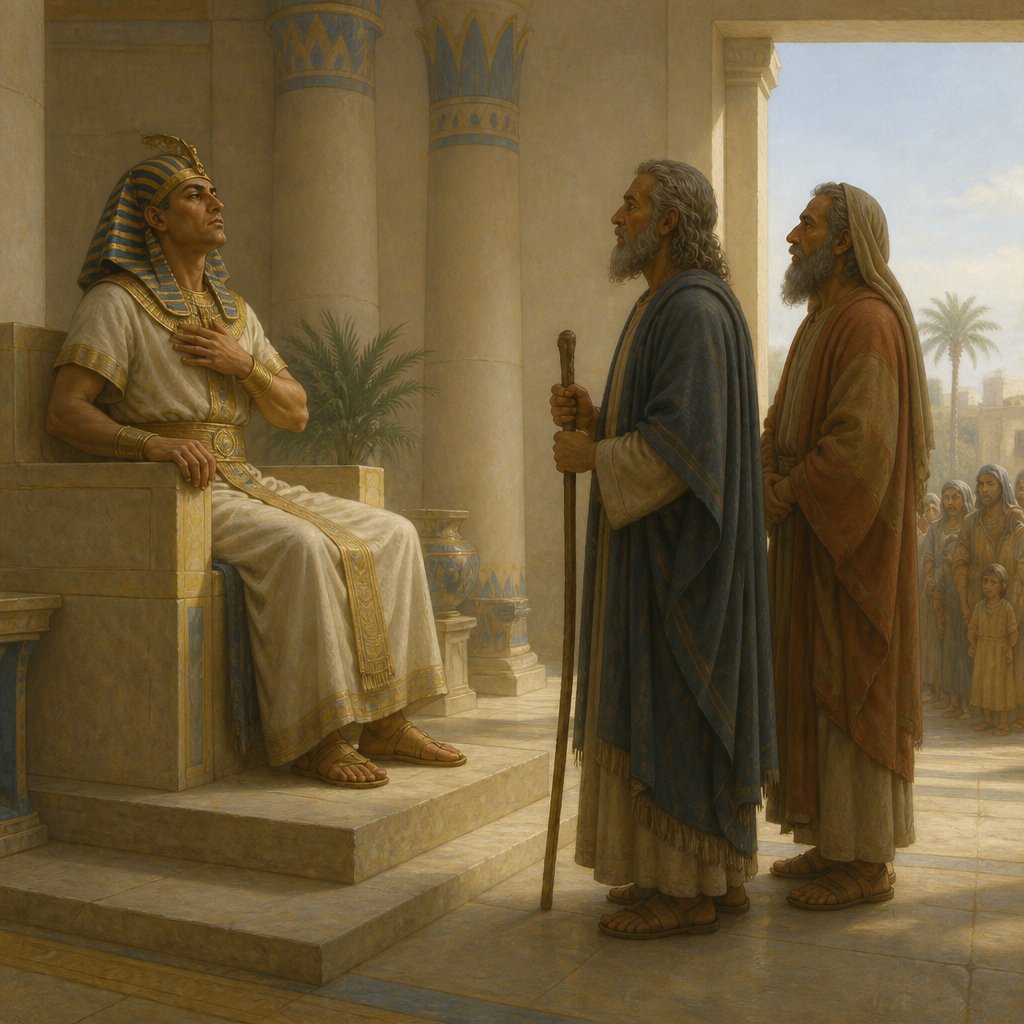
The story of Exodus is not just a narrative of liberation but a profound revelation of God’s sovereignty and the human heart’s resistance to His will. In Exodus 10:20 (KJV), we read, "But the LORD hardened Pharaoh's heart, so that he would not let the children of Israel go." This verse raises significant theological questions about free will, divine intervention, and the character of God. In our pursuit to understand this verse, we delve into the complexities of obedience, judgment, and grace.
**God’s Sovereignty and Pharaoh’s Heart**
The phrase "the LORD hardened Pharaoh's heart" is startling. It conveys a sense of divine control over the situation, suggesting that God's will overrides human desire. Throughout the plagues, we see a recurring theme of both Pharaoh’s stubbornness and God’s determined purpose. As God sent plague after plague to urge Pharaoh to release the Israelites, we observe Pharaoh's reactions—initially compliant, then rebellious, and ultimately defiant.
The hardening of Pharaoh’s heart serves a dual purpose: it showcases both the power of God and the limitations of human obstinacy. Pharaoh’s decision to refuse is not merely a momentary lapse; it is a persistent choice against God. In his heart, he represents humanity’s struggle against divine authority. How often do we behave like Pharaoh? Do we not sometimes hear the calling of God in our lives yet hesitate, seek to negotiate, or defiantly declare, "Not yet!" or worse, misunderstand His intentions?
**Theological Implications**
The hardening of Pharaoh’s heart highlights several theological implications. Firstly, it presents us with the tension between divine sovereignty and human responsibility. Does Pharaoh have free will, or is he merely a puppet in God’s hands? This dilemma has fueled debates within Christian theology for centuries, prompting us to search the Scriptures for wisdom.
Scripture indicates that God desires all to come to repentance (2 Peter 3:9), yet we also see individuals like Pharaoh, who persistently reject His grace. Perhaps the hardening of Pharaoh’s heart illustrates a point about those who consistently resist the voice of God: at some point, God allows them to pursue their desires, even when those desires lead to their destruction. This is not God being cruel; instead, it is a profound expression of how He honors human choice, even when it ultimately leads to demise.
**Grace Amidst Judgment**
It is crucial to see the broader narrative of Exodus. The hardening of Pharaoh's heart is set against the backdrop of God's relentless pursuit of His people, showcasing both His justice and mercy. Rather than an act of cruelty, the hardening invites us to see God’s purpose in bringing Israel out of bondage. The tension brings us to reflect on the beauty of grace amidst judgment; God works through circumstances to reveal His glory. Despite Pharaoh’s hardness, each plague serves as an opportunity for recognition of God's power and mercy.
**Personal Reflection**
Reflecting on Exodus 10:20, we have to ask ourselves: Are we allowing God to soften our hearts? Are we continually asking, "What do You want from me, Lord?" or are we content to ignore His promptings? It’s vital for us to examine our attitudes toward sin and God’s commandments. Unlike Pharaoh, we are called to surrender to His will, understanding that obedience leads to true freedom.
**Conclusion**
As we meditate upon this verse, let us recognize the importance of our choices and the weight they carry in our relationship with God. May we seek His grace in our lives, praying for softened hearts ready to heed His voice and act according to His purposes. Each day presents us with choices, and we have the divine opportunity to choose freedom in submission to His will. Remember, though Pharaoh resisted, God was at work, and ultimately, His plans prevailed. Let us aim to align our hearts with His, not through rebellion, but by grace.
Want to reflect more on Exodus 10:20?
Continue your spiritual journey with Bible Chat — an AI-powered tool for exploring God's Word through conversation. Ask questions, discover connections, and deepen your understanding.
Get Our Apps


Exodus 10:20 Artwork

Exodus 10:20 - "But the LORD hardened Pharaoh's heart, so that he would not let the children of Israel go."
"But the LORD hardened Pharaoh's heart, so that he would not let the children of Israel go." - Exodus 10:20

The Plague of Locusts - Exodus 10:1-20

The Plague of Locusts - Exodus 10:1-20

The Plague of Locusts - Exodus 10:1-20

The Plague of Locusts - Exodus 10:1-20

The Plague of Locusts - Exodus 10:1-20

The Plague of Locusts - Exodus 10:1-20

The Plague of Locusts - Exodus 10:1-20

The Plague of Locusts - Exodus 10:1-20

Exodus 23:20

Exodus 20:2

Exodus 27:20

Exodus 27:20

Exodus 27:20

Exodus 20:14

Exodus 20:10 - "But the seventh day is the sabbath of the LORD thy God: in it thou shalt not do any work, thou, nor thy son, nor thy daughter, thy manservant, nor thy maidservant, nor thy cattle, nor thy stranger that is within thy gates:"

Exodus 20:13 - "Thou shalt not kill."

Exodus 20:15 - "Thou shalt not steal."

Exodus 27:19-20

Exodus 19:16-20

Exodus 20:14 - "Thou shalt not commit adultery."

Exodus 20:1 - "And God spake all these words, saying,"

Exodus 20:8 - "Remember the sabbath day, to keep it holy."

Exodus 7:10

Exodus 7:10

Exodus 10:12
Exodus 17:10

Exodus 10:12

Exodus 10:12