Feasting in the Face of Fear: Embracing God's Deliverance
"On the thirteenth day of the month Adar; and on the fourteenth day of the same rested they, and made it a day of feasting and gladness." - Esther 9:17
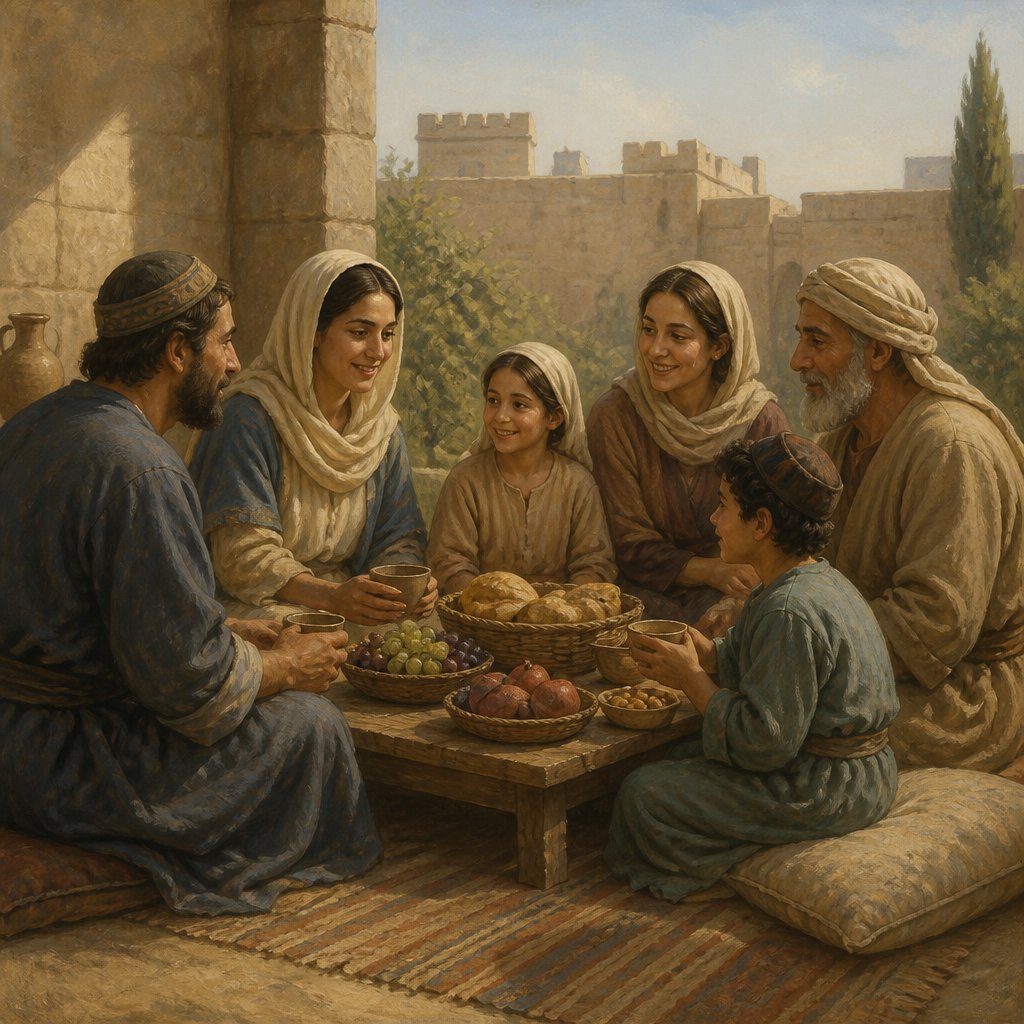
The verse from Esther 9:17 states, "On the thirteenth day of the month Adar; and on the fourteenth day of the same rested they, and made it a day of feasting and gladness." This passage encapsulates a profound moment in the history of the Jewish people, where fear was confronted with divine deliverance and celebration became a response to God’s faithfulness.
To fully appreciate the significance of this verse, we must understand the context of the events leading to this monumental occasion. The Jewish people were under a decree of annihilation, orchestrated by Haman, an advisor to King Xerxes of Persia. The thirteenth day of Adar was set as the day of execution, the day when the Jews would be slaughtered. However, through the courageous actions of Queen Esther and her cousin Mordecai, a reversal occurred. The king’s decree was turned around, leading to the deliverance of the Jews from certain doom.
Esther’s bravery in approaching the king without a summons, risking her life, demonstrates the powerful notion that God places us in strategic positions for His purposes. Often, we may find ourselves in seemingly hopeless situations—under pressure and feeling trapped, much like the Jews found themselves on the eve of their extermination. Yet, like Esther, we are called to act in faith, believing that God can and will turn our circumstances around.
The thirteenth day of Adar, once a day of terror, became a day of remembrance—the day of deliverance. The subsequent fourteenth day was designated as a day of rest, feasting, and gladness. In celebrating Purim, the Jewish people acknowledged God’s sovereignty and faithfulness. They transformed their grief into joy, their mourning into a celebration—a powerful lesson for all of us.
In our lives, we often encounter days that feel overwhelming. The thirteenth day of Adar can represent our struggles, doubts, and fears. Perhaps it's a health crisis, financial hardship, or relational breakdown. However, the promise we glean from Esther’s story is that deliverance is possible, and it is often accompanied by a response of gratitude and celebration.
For us, God’s faithfulness in our trials should lead to worship and feasting. How do we respond when we are delivered from our fears? The Jewish people rejoiced by celebrating Purim, wearing costumes, giving gifts to one another, and sharing meals. These actions serve as a reminder of the unity and joy within community when God intervenes in our lives.
Examine your life today. What thirteenth-day Edars are you facing? As God brings forth deliverance, how can you draw nearer to him in gratitude? Creating space for celebration is critical, not just as a communal act like those of Purim, but also as a personal practice. Make a list of the ways God has delivered you—big and small. Perhaps it’s the act of sharing a meal with friends, creating a gratitude jar, or even establishing a ritual to commemorate God’s protection and provision in your life.
Esther 9:17 invites us to rest and reflect on God’s goodness after turmoil. It challenges us to put away our fears and step into the joy of His presence. Let us embrace this duality in our lives: to bring our struggles to God, daring to act in faith when prompted, and to transform our pain into praise.
As you reflect on Esther's story and the festival of Purim, let your heart be filled with gladness, knowing that the same God who delivered a nation is with you today. On your own thirteenth days, remember the fourteenth is coming—a time set aside for feasting, not just physically but spiritually, celebrating that through every trial, we are never alone.
Want to reflect more on Esther 9:17?
Continue your spiritual journey with Bible Chat — an AI-powered tool for exploring God's Word through conversation. Ask questions, discover connections, and deepen your understanding.
Get Our Apps


Esther 9:17 Artwork

Esther 9:17 - "On the thirteenth day of the month Adar; and on the fourteenth day of the same rested they, and made it a day of feasting and gladness."
"On the thirteenth day of the month Adar; and on the fourteenth day of the same rested they, and made it a day of feasting and gladness." - Esther 9:17

Esther 4:9 - "And Hatach came and told Esther the words of Mordecai."

Esther 1:17

Esther 9:32 - "And the decree of Esther confirmed these matters of Purim; and it was written in the book."

Esther 4:17 - "So Mordecai went his way, and did according to all that Esther had commanded him."

Esther 9:9 - "And Parmashta, and Arisai, and Aridai, and Vajezatha,"

Esther 9:29 - "Then Esther the queen, the daughter of Abihail, and Mordecai the Jew, wrote with all authority, to confirm this second letter of Purim."

"And Hatach came and told Esther the words of Mordecai." - Esther 4:9

Esther 9:8 - "And Poratha, and Adalia, and Aridatha,"

Esther 9:7 - "And Parshandatha, and Dalphon, and Aspatha,"

"And the decree of Esther confirmed these matters of Purim; and it was written in the book." - Esther 9:32
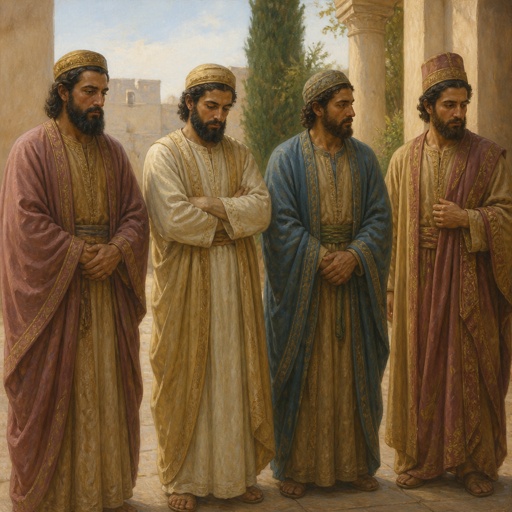
"And Parmashta, and Arisai, and Aridai, and Vajezatha," - Esther 9:9

Esther 9:31 - "To confirm these days of Purim in their times appointed, according as Mordecai the Jew and Esther the queen had enjoined them, and as they had decreed for themselves and for their seed, the matters of the fastings and their cry."

Esther 9:13 - "Then said Esther, If it please the king, let it be granted to the Jews which are in Shushan to do to morrow also according unto this day's decree, and let Haman's ten sons be hanged upon the gallows."

"And Parshandatha, and Dalphon, and Aspatha," - Esther 9:7
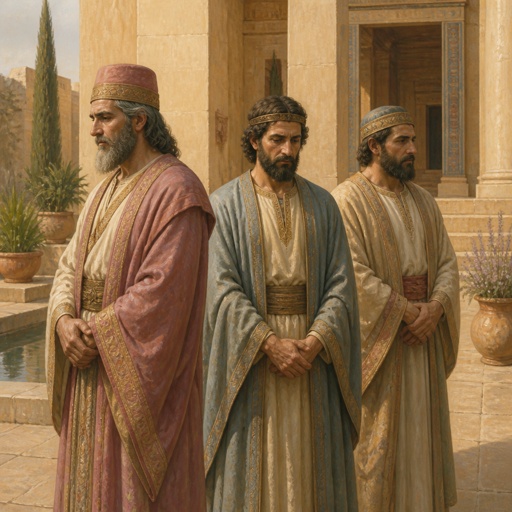
"And Poratha, and Adalia, and Aridatha," - Esther 9:8
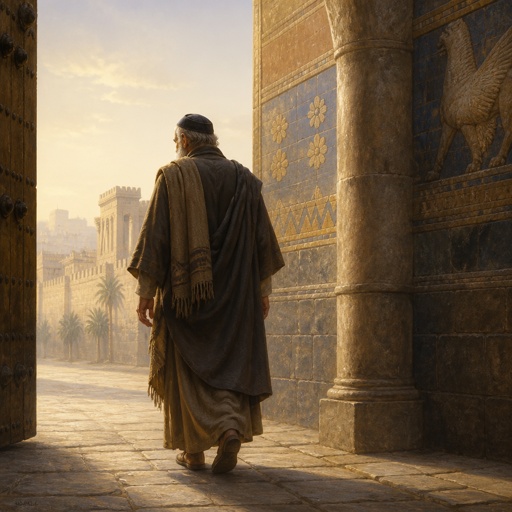
"So Mordecai went his way, and did according to all that Esther had commanded him." - Esther 4:17

Esther 9:6 - "And in Shushan the palace the Jews slew and destroyed five hundred men."

Esther 2:17 - "And the king loved Esther above all the women, and she obtained grace and favour in his sight more than all the virgins; so that he set the royal crown upon her head, and made her queen instead of Vashti."

Esther 9:25 - "But when Esther came before the king, he commanded by letters that his wicked device, which he devised against the Jews, should return upon his own head, and that he and his sons should be hanged on the gallows."

Esther 9:11 - "On that day the number of those that were slain in Shushan the palace was brought before the king."

Esther 9:23 - "And the Jews undertook to do as they had begun, and as Mordecai had written unto them;"

Esther 9:10 - "The ten sons of Haman the son of Hammedatha, the enemy of the Jews, slew they; but on the spoil laid they not their hand."

"Then Esther the queen, the daughter of Abihail, and Mordecai the Jew, wrote with all authority, to confirm this second letter of Purim." - Esther 9:29

Esther 1:9 - "Also Vashti the queen made a feast for the women in the royal house which belonged to king Ahasuerus."

Esther 9:14 - "And the king commanded it so to be done: and the decree was given at Shushan; and they hanged Haman's ten sons."

Esther 9:21 - "To stablish this among them, that they should keep the fourteenth day of the month Adar, and the fifteenth day of the same, yearly,"

Esther 9:3 - "And all the rulers of the provinces, and the lieutenants, and the deputies, and officers of the king, helped the Jews; because the fear of Mordecai fell upon them."

Esther 9:30 - "And he sent the letters unto all the Jews, to the hundred twenty and seven provinces of the kingdom of Ahasuerus, with words of peace and truth,"