The Power of the King's Seal
"And he wrote in the king Ahasuerus' name, and sealed it with the king's ring, and sent letters by posts on horseback, and riders on mules, camels, and young dromedaries:" - Esther 8:10
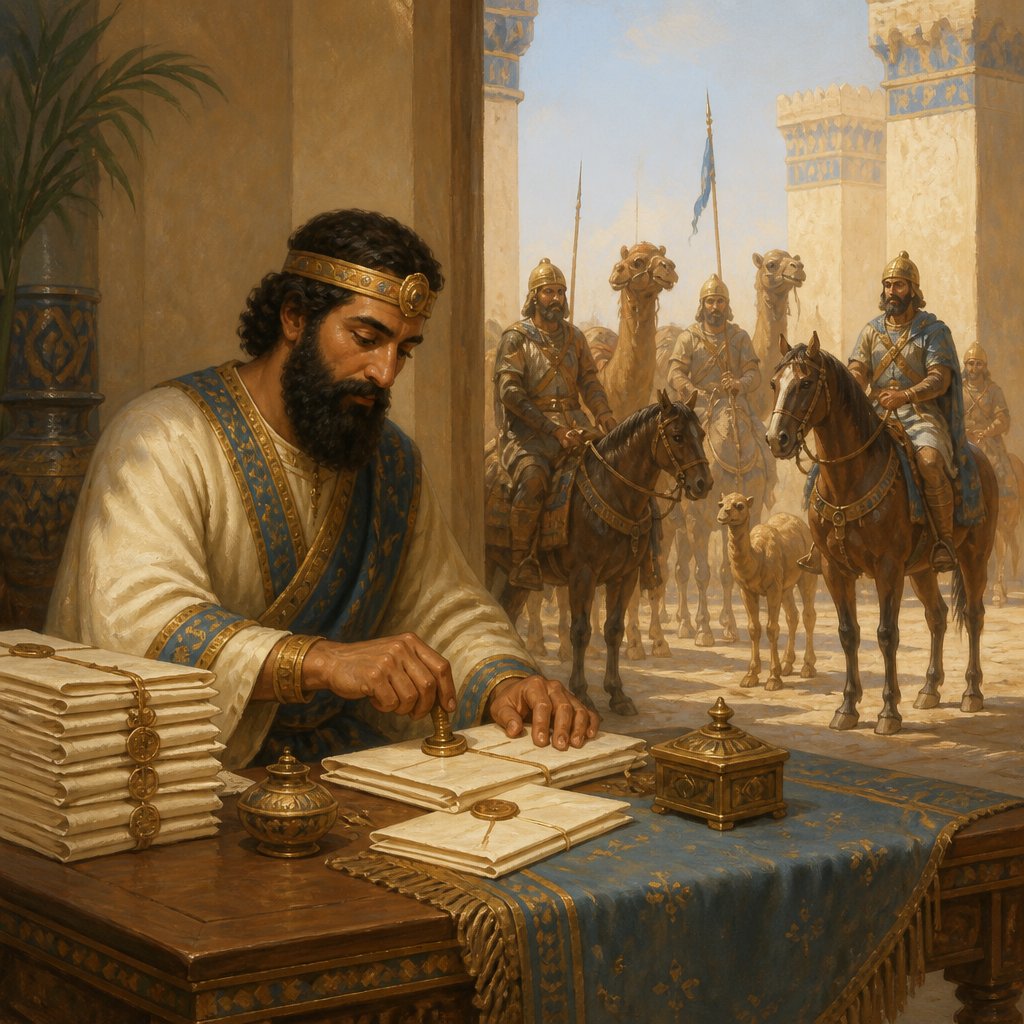
The Book of Esther is a remarkable account of divine providence, courage, and the unfolding of God’s plans for His people in the midst of adversity. In Esther 8:10, we encounter a pivotal moment in the narrative: “And he wrote in the king Ahasuerus' name, and sealed it with the king's ring, and sent letters by posts on horseback, and riders on mules, camels, and young dromedaries.” This verse encapsulates themes of authority, communication, and the decisive actions taken for the preservation of God’s people. It offers profound insight into how God works through ordinary people to fulfill His extraordinary plans.
First, we must understand the significance of Ahasuerus’ name and seal. Writing in the king's name represented not just authority but also the legitimacy of what was being decreed. The King’s seal was a powerful symbol that validated the actions taken by Esther and Mordecai. In the ancient world, a king's seal was irrevocable; it indicated that what was inscribed was as good as done. For Esther, Mordecai, and the Jewish people, this meant that the decree they had set in motion was backed by the highest authority in the land. It serves as a reminder that when we put our trust in God, He uses even the most unlikely circumstances to ensure our deliverance.
Consider the courage exhibited by Esther and Mordecai in securing this decree. After the plot against the Jewish people was revealed, it would have been easy for them to remain silent in the face of oppression. But empowered by their faith and God’s guidance, they took action. They understood that their voices, propelled by the authority of the king, could make a difference. This truth resonates with us today: our voices matter. When we speak out for justice, we participate in God’s redemptive work in the world. We must ask ourselves: in what areas of our lives is God calling us to step up, to take action with the authority we possess in Christ?
Furthermore, the manner in which the message was disseminated—via horseback, mules, camels, and dromedaries—illustrates the urgency and seriousness of the matter at hand. The Jewish people were facing a grave threat, and prompt communication was essential for rallying support and ensuring safety. This resonates with us as we reflect on the urgency of spreading the Gospel and advocating for those in need. Are we prioritizing the message of hope and salvation? Are we using the resources and avenues available to us to reach those who are lost or oppressed?
In contemplating this passage, let us remember that God often works through human channels, just as He did with Esther and Mordecai. As we engage with the world around us, we are invited to be co-laborers with God. We may not carry the seal of a king, but we bear the Spirit of the King of Kings. His authority empowers us to act justly, extend mercy, and spread love. Like those riders spreading the news, we are called to carry the message of God’s grace and deliverance in our communities and circles of influence.
Finally, the end of the decree brought hope to a people in despair. Sometimes it’s easy to overlook the gravity of injustice over continued hope; the decree represented not just a legal document but a lifeline for the Jewish population. God’s intention was to turn mourning into joy, to bring light where there was darkness. Let us stand firm in the knowledge that God’s purposes prevail, and that even when situations seem dire, He is at work behind the scenes. His commitment to His people transcends time and circumstance.
In closing, may we be reminded that we are equipped with authority in the Name of Jesus. Let us wield our influence with purpose, empathy, and courage in a world that desperately needs His light. Let us learn from Esther and Mordecai’s example, recognizing that while we might face momentary trials, God is orchestrating a divine narrative, and our obedience in the face of fear can pave the way for miraculous deliverance.
Want to reflect more on Esther 8:10?
Continue your spiritual journey with Bible Chat — an AI-powered tool for exploring God's Word through conversation. Ask questions, discover connections, and deepen your understanding.
Get Our Apps


Esther 8:10 Artwork

Esther 8:10 - "And he wrote in the king Ahasuerus' name, and sealed it with the king's ring, and sent letters by posts on horseback, and riders on mules, camels, and young dromedaries:"
"And he wrote in the king Ahasuerus' name, and sealed it with the king's ring, and sent letters by posts on horseback, and riders on mules, camels, and young dromedaries:" - Esther 8:10

Esther 8:4 - "Then the king held out the golden sceptre toward Esther. So Esther arose, and stood before the king,"

Esther 4:10 - "¶ Again Esther spake unto Hatach, and gave him commandment unto Mordecai;"

Esther 8:1 - "On that day did the king Ahasuerus give the house of Haman the Jews' enemy unto Esther the queen. And Mordecai came before the king; for Esther had told what he was unto her."

Esther 8:4

Esther 9:8 - "And Poratha, and Adalia, and Aridatha,"

Esther 2:10 - "Esther had not shewed her people nor her kindred: for Mordecai had charged her that she should not shew it."

Esther 8:7 - "¶ Then the king Ahasuerus said unto Esther the queen and to Mordecai the Jew, Behold, I have given Esther the house of Haman, and him they have hanged upon the gallows, because he laid his hand upon the Jews."

Esther 8:16 - "The Jews had light, and gladness, and joy, and honour."
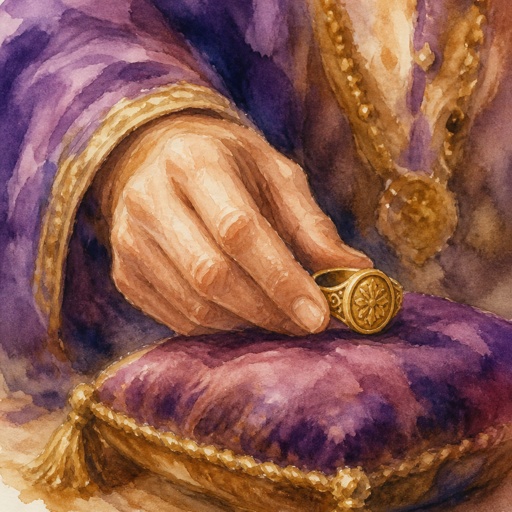
Esther 8:2 focus on the ring

"Then the king held out the golden sceptre toward Esther. So Esther arose, and stood before the king," - Esther 8:4

Esther 8:2 - "And the king took off his ring, which he had taken from Haman, and gave it unto Mordecai. And Esther set Mordecai over the house of Haman."
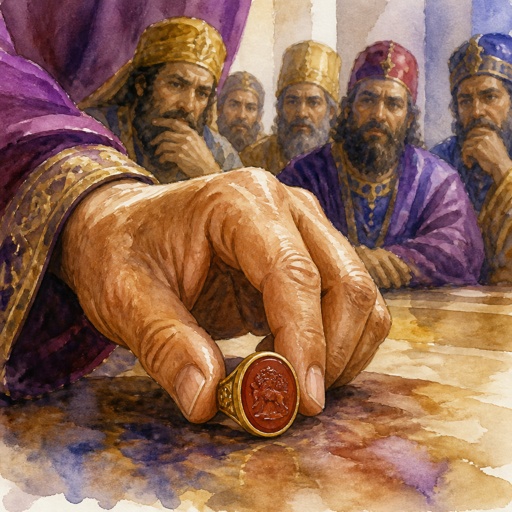
Esther 3:10 focus on ring
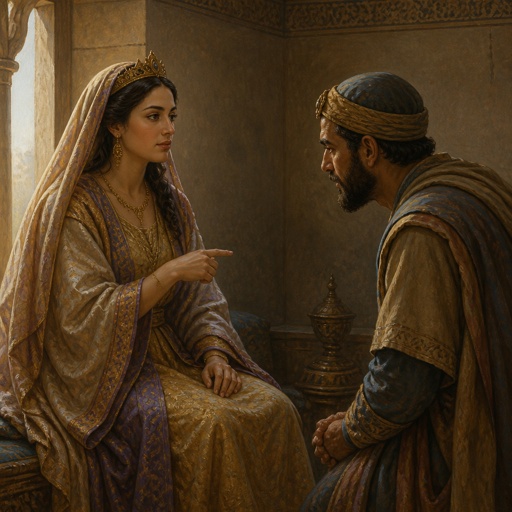
"¶ Again Esther spake unto Hatach, and gave him commandment unto Mordecai;" - Esther 4:10
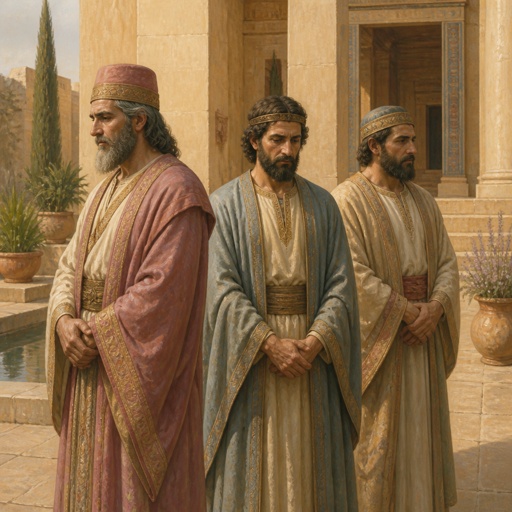
"And Poratha, and Adalia, and Aridatha," - Esther 9:8

Esther 8:3 - "¶ And Esther spake yet again before the king, and fell down at his feet, and besought him with tears to put away the mischief of Haman the Agagite, and his device that he had devised against the Jews."

Esther 10:1 - "And the king Ahasuerus laid a tribute upon the land, and upon the isles of the sea."

Esther 9:10 - "The ten sons of Haman the son of Hammedatha, the enemy of the Jews, slew they; but on the spoil laid they not their hand."

Esther 7:10 - "So they hanged Haman on the gallows that he had prepared for Mordecai. Then was the king's wrath pacified."

Esther 2:8 - "¶ So it came to pass, when the king's commandment and his decree was heard, and when many maidens were gathered together unto Shushan the palace, to the custody of Hegai, that Esther was brought also unto the king's house, to the custody of Hegai, keeper of the women."

"On that day did the king Ahasuerus give the house of Haman the Jews' enemy unto Esther the queen. And Mordecai came before the king; for Esther had told what he was unto her." - Esther 8:1

Esther 8:8 - "Write ye also for the Jews, as it liketh you, in the king's name, and seal it with the king's ring: for the writing which is written in the king's name, and sealed with the king's ring, may no man reverse."

Esther 7:8 - "Then the king returned out of the palace garden into the place of the banquet of wine; and Haman was fallen upon the bed whereon Esther was. Then said the king, Will he force the queen also before me in the house? As the word went out of the king's mouth, they covered Haman's face."

Esther 4:8 - "Also he gave him the copy of the writing of the decree that was given at Shushan to destroy them, to shew it unto Esther, and to declare it unto her, and to charge her that she should go in unto the king, to make supplication unto him, and to make request before him for her people."
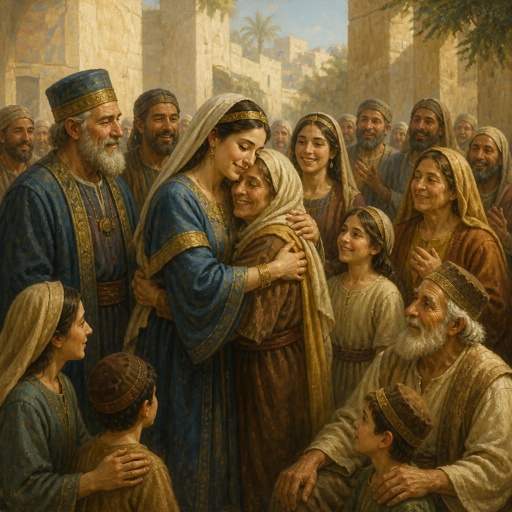
"The Jews had light, and gladness, and joy, and honour." - Esther 8:16

"Esther had not shewed her people nor her kindred: for Mordecai had charged her that she should not shew it." - Esther 2:10

Esther 5:10 - "Nevertheless Haman refrained himself: and when he came home, he sent and called for his friends, and Zeresh his wife."

Esther 3:10 - "And the king took his ring from his hand, and gave it unto Haman the son of Hammedatha the Agagite, the Jews' enemy."

Esther 8:14 - "So the posts that rode upon mules and camels went out, being hastened and pressed on by the king's commandment. And the decree was given at Shushan the palace."