The Courage of Esther: Standing in the Gap for Her People
"For we are sold, I and my people, to be destroyed, to be slain, and to perish. But if we had been sold for bondmen and bondwomen, I had held my tongue, although the enemy could not countervail the king's damage." - Esther 7:4
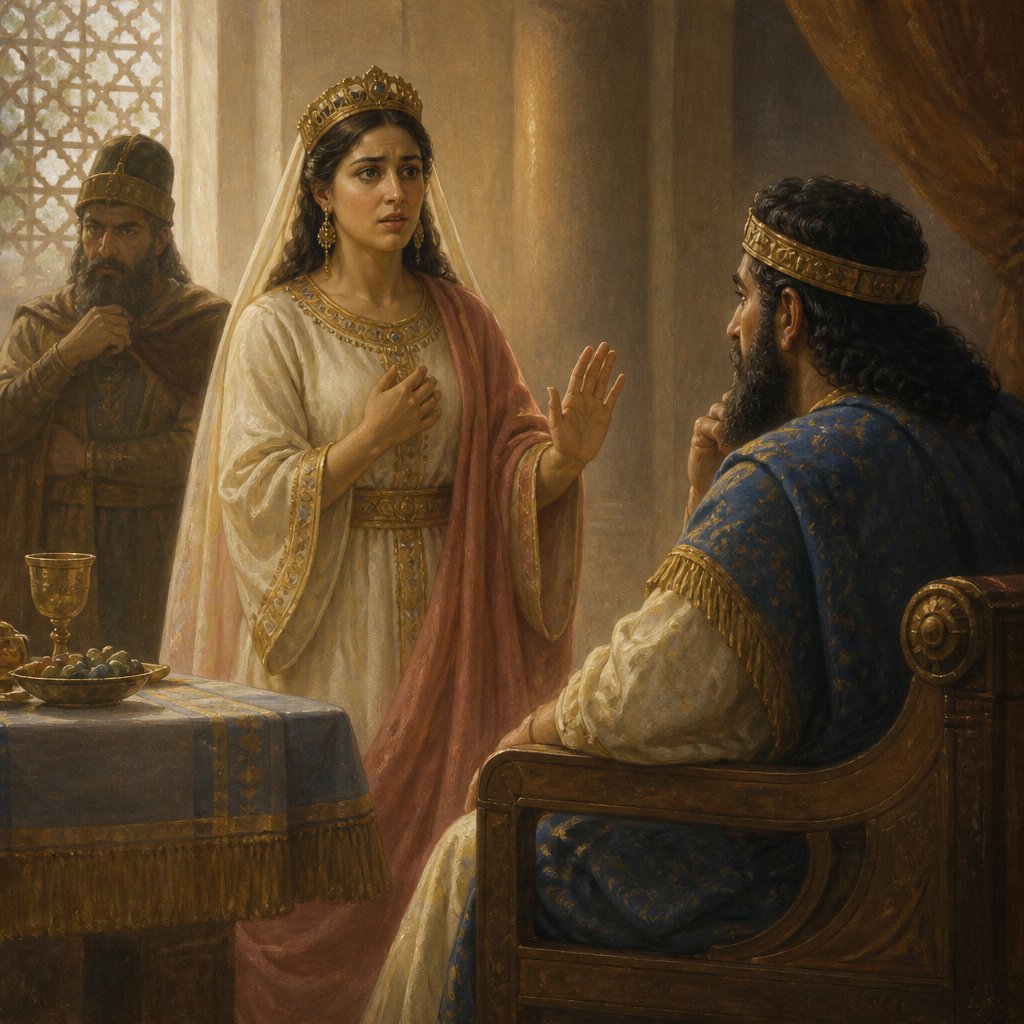
The book of Esther is one of the most compelling narratives found in the Bible, filled with drama, tension, and profound faith. It presents a unique perspective on the plight of the Jewish people during a time when their very existence was threatened. In Esther 7:4, we encounter a pivotal moment where Esther, the Jewish queen in a foreign land, opens her heart and reveals her true identity to King Xerxes. The verse states: "For we are sold, I and my people, to be destroyed, to be slain, and to perish. But if we had been sold for bondmen and bondwomen, I had held my tongue, although the enemy could not countervail the king's damage."
This moment is drenched in both sorrow and courage. Esther speaks not only of her fate but of the fate of her people. She acknowledges the gravity of their situation, articulating the bleak reality of annihilation they face. Her words are laden with the weight of despair; they reflect both personal and communal anguish. In doing so, she exemplifies the essence of intercession, a theme prevalent throughout the Scriptures.
Esther's voice becomes a powerful testament against the darkness threatening her people. She draws a stark comparison between the fate of her nation and the lesser burden of slavery. If they had merely been sold into bondage, she could have remained silent. But the stakes are far greater; lives hang in the balance. This revelation stirs in us a vital question about our own lives: how often do we remain silent when we see injustice in our communities, families, or workplaces?
Esther's courage came at a great cost. To reveal her identity as a Jew was to risk her position and her life. She understood the potential ramifications of her words, yet she chose to act. In many ways, her act of speaking is an echo of her faith—faith not only in the authority of the king but also in the God who had placed her in that position for such a time as this (Esther 4:14). The phrase “for such a time as this” reverberates through the ages, serving as a reminder that God orchestrates the happenings of our lives and positions us strategically to fulfill His purposes.
As we reflect upon Esther’s situation, it is crucial to realize that she is a representation of us all. We have all been placed in specific contexts—be it our workplace, our families, or our social circles—where we can either remain silent or use our voice for good. God has granted each of us influence, but the question becomes how we wield that influence. Do we choose to stand firm in the truth for the sake of the marginalized and the oppressed?
Moreover, Esther’s plea reminds us of the nature of the enemy we face—Haman, whose plot was to annihilate the Jews. In our own lives, we face spiritual battles against forces that seek to destroy our testimony, sow discord among believers, and distract us from our divine mission. Paul reminds us in Ephesians 6:12, "For we wrestle not against flesh and blood, but against principalities, against powers, against the rulers of the darkness of this world, against spiritual wickedness in high places."
As those who are called to follow Christ, we are not merely bystanders in this world. We are called to advocate for love, justice, and truth. Esther called her people to prayer and fasting before she approached the king, illustrating that powerful change often begins with humble submission to God.
In our own lives, let us seek to intercede for those who are unable to fight for themselves, to shed light in times of darkness, and to be bold in our faith, inspired by the courage of Esther. Remember, as God positioned Esther as queen, He has equally positioned us in our various arenas to make a difference. Let us step into that purpose with the faith and bravery that she exemplified.
Want to reflect more on Esther 7:4?
Continue your spiritual journey with Bible Chat — an AI-powered tool for exploring God's Word through conversation. Ask questions, discover connections, and deepen your understanding.
Get Our Apps


Esther 7:4 Artwork

Esther 7:4 - "For we are sold, I and my people, to be destroyed, to be slain, and to perish. But if we had been sold for bondmen and bondwomen, I had held my tongue, although the enemy could not countervail the king's damage."
"For we are sold, I and my people, to be destroyed, to be slain, and to perish. But if we had been sold for bondmen and bondwomen, I had held my tongue, although the enemy could not countervail the king's damage." - Esther 7:4

Esther 8:4 - "Then the king held out the golden sceptre toward Esther. So Esther arose, and stood before the king,"

Esther 5:7 - "Then answered Esther, and said, My petition and my request is;"

Esther 7:1 - "So the king and Haman came to banquet with Esther the queen."

Esther 4:15 - "¶ Then Esther bade them return Mordecai this answer,"

Esther 4:9 - "And Hatach came and told Esther the words of Mordecai."

Esther 4:7 - "And Mordecai told him of all that had happened unto him, and of the sum of the money that Haman had promised to pay to the king's treasuries for the Jews, to destroy them."

Esther 4:10 - "¶ Again Esther spake unto Hatach, and gave him commandment unto Mordecai;"

Esther 7:6 - "And Esther said, The adversary and enemy is this wicked Haman. Then Haman was afraid before the king and the queen."

Esther 4:17 - "So Mordecai went his way, and did according to all that Esther had commanded him."

Esther 7:2 - "And the king said again unto Esther on the second day at the banquet of wine, What is thy petition, queen Esther? and it shall be granted thee: and what is thy request? and it shall be performed, even to the half of the kingdom."

Esther 8:4

Esther 7:7 - "¶ And the king arising from the banquet of wine in his wrath went into the palace garden: and Haman stood up to make request for his life to Esther the queen; for he saw that there was evil determined against him by the king."

Esther 9:7 - "And Parshandatha, and Dalphon, and Aspatha,"

Esther 4:12 - "And they told to Mordecai Esther's words."

"So the king and Haman came to banquet with Esther the queen." - Esther 7:1

Esther 8:7 - "¶ Then the king Ahasuerus said unto Esther the queen and to Mordecai the Jew, Behold, I have given Esther the house of Haman, and him they have hanged upon the gallows, because he laid his hand upon the Jews."

"And Hatach came and told Esther the words of Mordecai." - Esther 4:9

"¶ Then Esther bade them return Mordecai this answer," - Esther 4:15
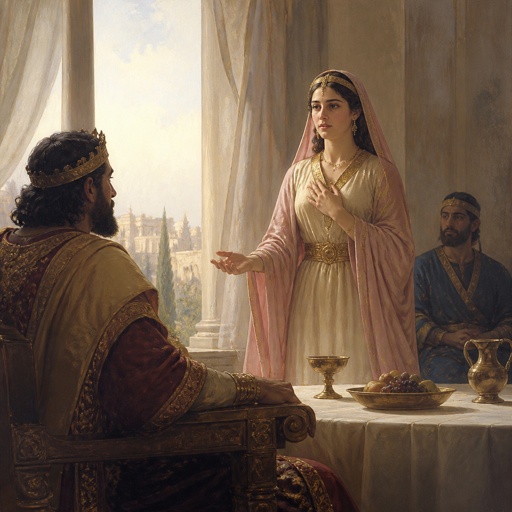
"Then answered Esther, and said, My petition and my request is;" - Esther 5:7

Esther 4:13 - "Then Mordecai commanded to answer Esther, Think not with thyself that thou shalt escape in the king's house, more than all the Jews."

Esther 7:5 - "¶ Then the king Ahasuerus answered and said unto Esther the queen, Who is he, and where is he, that durst presume in his heart to do so?"

Esther 5:4 - "And Esther answered, If it seem good unto the king, let the king and Haman come this day unto the banquet that I have prepared for him."

"Then the king held out the golden sceptre toward Esther. So Esther arose, and stood before the king," - Esther 8:4

Esther 4:5 - "Then called Esther for Hatach, one of the king's chamberlains, whom he had appointed to attend upon her, and gave him a commandment to Mordecai, to know what it was, and why it was."

"And Parshandatha, and Dalphon, and Aspatha," - Esther 9:7

"¶ Again Esther spake unto Hatach, and gave him commandment unto Mordecai;" - Esther 4:10
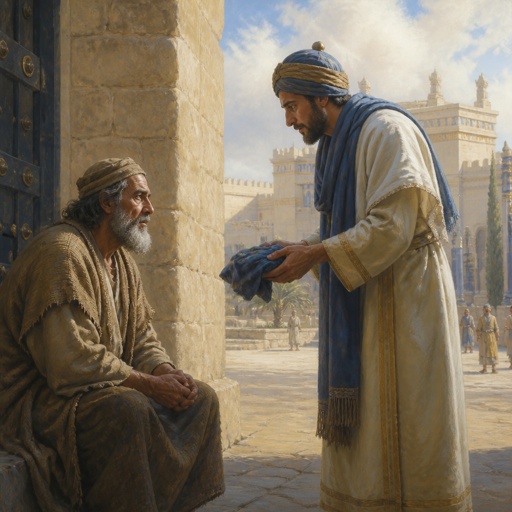
"And they told to Mordecai Esther's words." - Esther 4:12

Esther 6:7 - "And Haman answered the king, For the man whom the king delighteth to honour,"