Mourning and Mourner: A Call to Stand in the Gap
"And in every province, whithersoever the king's commandment and his decree came, there was great mourning among the Jews, and fasting, and weeping, and wailing; and many lay in sackcloth and ashes." - Esther 4:3
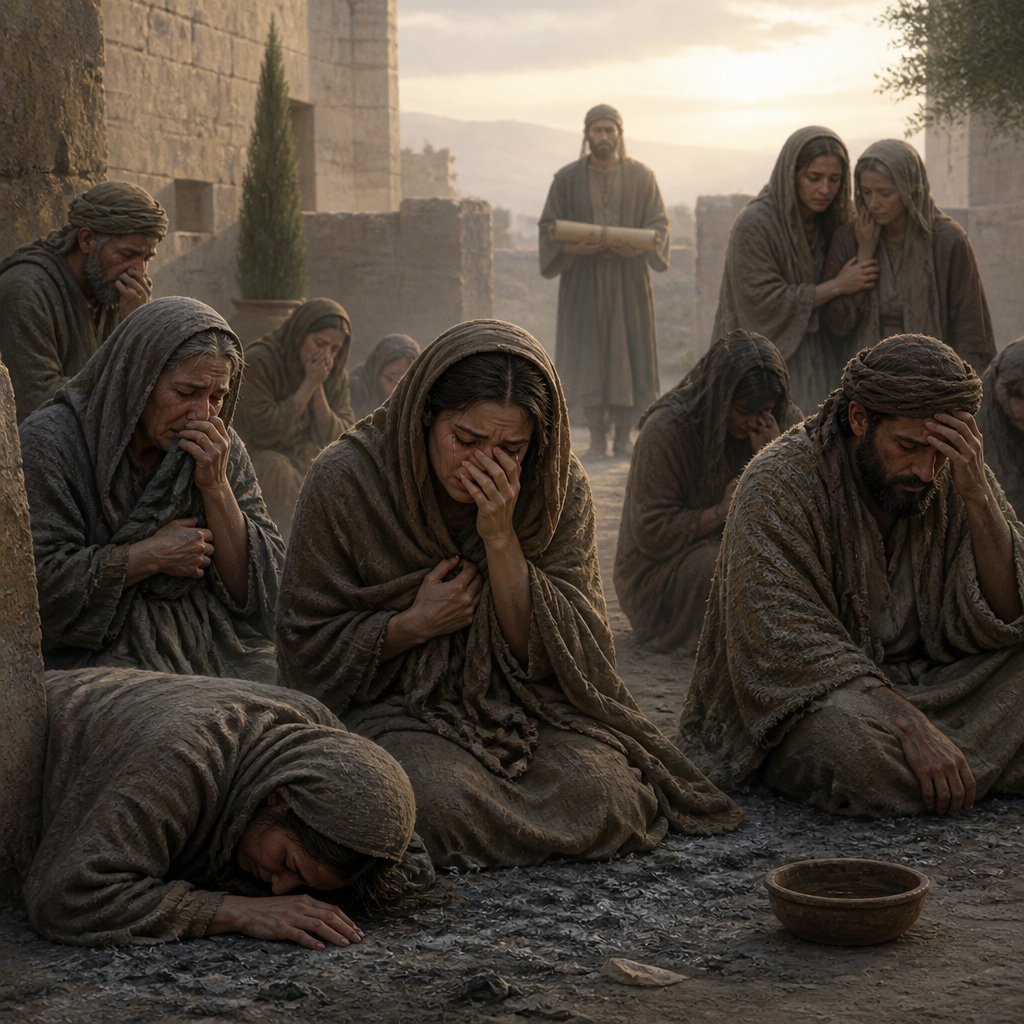
Esther 4:3 (KJV) reads: "And in every province, whithersoever the king's commandment and his decree came, there was great mourning among the Jews, and fasting, and weeping, and wailing; and many lay in sackcloth and ashes." This verse paints a vivid picture of despair and communal grief among the Jewish people in ancient Persia. Through their intense lamentation, we can glean profound insights about the nature of affliction, the importance of prayer, and the necessity of divine intervention.
The scene described in Esther is one of utter sorrow, as the decree to annihilate the Jews had spread across the land. The reaction of the Jewish people—mourning, fasting, weeping, and wailing—is a telling illustration of their collective plight. They were not simply passive victims; they were engaged in a battle for survival that threatened their very existence. The sackcloth and ashes symbolize the intensity of their grief and humility before God.
In contemporary life, we face our own "decrees" or circumstances that seem insurmountable. Whether it be the pain of personal loss, the weight of injustice, or the hopelessness of our situations, we often find ourselves in a posture similar to that of the Jews. The intensity of their mourning invites us to acknowledge our own pain honestly and calls us to engage deeply with God in our suffering.
The act of fasting is significant in this verse. Fasting is an ancient practice relating to humbling oneself before God and seeking His will. In times of trouble, fasting serves not only as an expression of sorrow but also as a powerful spiritual discipline that opens our hearts to God’s presence and guidance. It reminds us of our reliance on divine provision, just as the Jews recognized that their only hope lay in God’s intervention.
As we reflect on the emotional turmoil presented in this passage, we should take note that grief and sorrow often push us toward God—an avenue that can lead to strength, understanding, and ultimately deliverance. Just as the Jews collectively gathered in mourning and supplication, we too can come together in community to pray for those who are suffering. There is power in unity and collective intercession. When we stand in the gap for others, we are becoming vessels of God’s grace, love, and mercy.
Moreover, this verse underscores the urgency of the situation. It was not enough for the Jews to quietly lament; they had to act. We learn from Esther’s story that action, paired with earnest prayer, can change the course of history. In the midst of crisis, we are called to respond—not with resignation, but with faith. This requires courage, as Esther herself would display later on, when she steps out in faith to advocate for her people.
Thereby, when we find ourselves or our community in a place of anguish, we must be prepared to respond. There is a fine line between mourning as a response to tragedy and mourning which beckons action. We remember that God is always seeking to work through His people. Our actions, born out of prayer and shared suffering, can catalyze change.
Lastly, the tension between despair and hope is palpable in this narrative. While the Jews mourned an imminent death sentence, Esther’s impending action would serve to alter their fate. In Christ, we find a bridge over despair. He is the ultimate solution to our mourning; He promises to turn our weeping into joy (Psalm 30:5). As we navigate through our own seasons of grief, let us not forget that behind every tear, there also lies the hope of resurrection, redemption and deliverance.
In closing, Esther 4:3 is a clarion call for us to feel deeply, grieve authentically, and, most importantly, act with faith amid the trials of life. Let this verse remind us that in our mourning, we can find the strength to unite in prayer, fasting, and action, standing firm in the belief that God is still sovereign and indeed working for our ultimate good.
Want to reflect more on Esther 4:3?
Continue your spiritual journey with Bible Chat — an AI-powered tool for exploring God's Word through conversation. Ask questions, discover connections, and deepen your understanding.
Get Our Apps


Esther 4:3 Artwork

Esther 4:3 - "And in every province, whithersoever the king's commandment and his decree came, there was great mourning among the Jews, and fasting, and weeping, and wailing; and many lay in sackcloth and ashes."
"And in every province, whithersoever the king's commandment and his decree came, there was great mourning among the Jews, and fasting, and weeping, and wailing; and many lay in sackcloth and ashes." - Esther 4:3

Esther 8:4 - "Then the king held out the golden sceptre toward Esther. So Esther arose, and stood before the king,"

Esther 4:15 - "¶ Then Esther bade them return Mordecai this answer,"

Esther 4:9 - "And Hatach came and told Esther the words of Mordecai."

Esther 4:10 - "¶ Again Esther spake unto Hatach, and gave him commandment unto Mordecai;"

Esther 4:17 - "So Mordecai went his way, and did according to all that Esther had commanded him."

Esther 8:4

Esther 4:12 - "And they told to Mordecai Esther's words."

"And Hatach came and told Esther the words of Mordecai." - Esther 4:9

"¶ Then Esther bade them return Mordecai this answer," - Esther 4:15

Esther 4:13 - "Then Mordecai commanded to answer Esther, Think not with thyself that thou shalt escape in the king's house, more than all the Jews."

Esther 5:4 - "And Esther answered, If it seem good unto the king, let the king and Haman come this day unto the banquet that I have prepared for him."

Esther 3:4 - "Now it came to pass, when they spake daily unto him, and he hearkened not unto them, that they told Haman, to see whether Mordecai's matters would stand: for he had told them that he was a Jew."

Esther 5:3 - "Then said the king unto her, What wilt thou, queen Esther? and what is thy request? it shall be even given thee to the half of the kingdom."

"Then the king held out the golden sceptre toward Esther. So Esther arose, and stood before the king," - Esther 8:4

Esther 4:5 - "Then called Esther for Hatach, one of the king's chamberlains, whom he had appointed to attend upon her, and gave him a commandment to Mordecai, to know what it was, and why it was."

Esther 3:10 focus on ring

"¶ Again Esther spake unto Hatach, and gave him commandment unto Mordecai;" - Esther 4:10
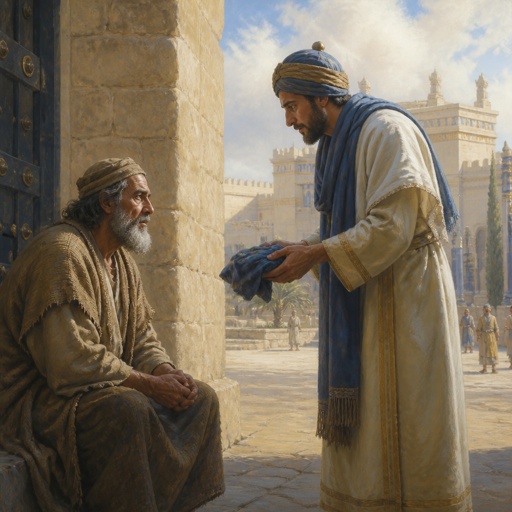
"And they told to Mordecai Esther's words." - Esther 4:12

Esther 3:3 - "Then the king's servants, which were in the king's gate, said unto Mordecai, Why transgressest thou the king's commandment?"

Esther 8:3 - "¶ And Esther spake yet again before the king, and fell down at his feet, and besought him with tears to put away the mischief of Haman the Agagite, and his device that he had devised against the Jews."

Esther 7:3 - "Then Esther the queen answered and said, If I have found favour in thy sight, O king, and if it please the king, let my life be given me at my petition, and my people at my request:"

"So Mordecai went his way, and did according to all that Esther had commanded him." - Esther 4:17

"¶ So Esther's maids and her chamberlains came and told it her. Then was the queen exceedingly grieved; and she sent raiment to clothe Mordecai, and to take away his sackcloth from him: but he received it not." - Esther 4:4

Esther 3:5 - "And when Haman saw that Mordecai bowed not, nor did him reverence, then was Haman full of wrath."

Esther 4:6 - "So Hatach went forth to Mordecai unto the street of the city, which was before the king's gate."

Esther 4:4 - "¶ So Esther's maids and her chamberlains came and told it her. Then was the queen exceedingly grieved; and she sent raiment to clothe Mordecai, and to take away his sackcloth from him: but he received it not."

Esther 4:2 - "And came even before the king's gate: for none might enter into the king's gate clothed with sackcloth."

Esther 4:8 - "Also he gave him the copy of the writing of the decree that was given at Shushan to destroy them, to shew it unto Esther, and to declare it unto her, and to charge her that she should go in unto the king, to make supplication unto him, and to make request before him for her people."