Standing at the King’s Gate: The Power of Our Mourning
"And came even before the king's gate: for none might enter into the king's gate clothed with sackcloth." - Esther 4:2
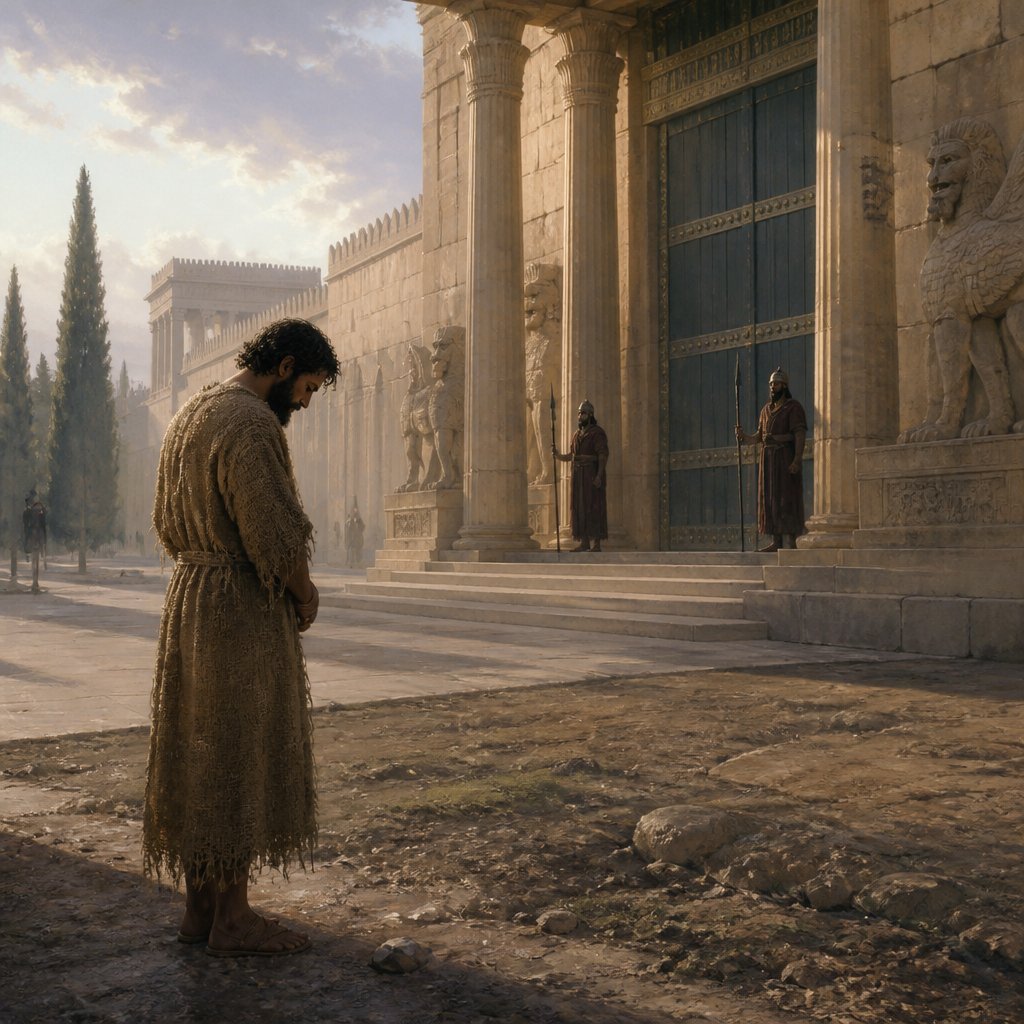
The story of Esther is a powerful narrative of faith, courage, and divine providence, illustrating how God uses ordinary people to accomplish extraordinary purposes. In Esther 4:2 (KJV), we read, "And came even before the king's gate: for none might enter into the king's gate clothed with sackcloth." This verse not only reflects the cultural practices of the time but also allows us to explore the deeper meanings behind Esther's and Mordecai's actions in a time of crisis.
As we delve into this verse, it is crucial to understand the context in which it is situated. Mordecai, Esther's cousin and guardian, learns of Haman's wicked plot to annihilate the Jewish people, and upon hearing this dreadful news, he mourns intensely. His grief leads him to don sackcloth and ashes—a customary expression of lamentation among the Jews. Sackcloth symbolizes mourning, repentance, and humility before God. It is outwardly visible and signifies a heart burdened by the heavy weight of sorrow.
However, the decree that none could enter the king's gate wearing sackcloth places Mordecai in a position of conflict. The king's gate was a place of power, authority, and protocol. To approach the king, one had to bear an appearance of joy and dignity, which could not include the signs of mourning. Grimly aware of the consequences that might follow if he were to breach this established norm, Mordecai chooses to stand at the king's gate anyway, even if it means only expressing his grief within an environment of privilege and authority.
Why did Mordecai make this decision? It demonstrates a central theme in this narrative: the reality of faith under oppressive circumstances. His insistence on being there—even while publicly mourning—exemplifies the heart of intercession. It illustrates that sometimes we must make sacrifices to stand up for what is right, even when faced with societal restrictions. It reflects a willingness to confront injustice openly, pushing against the norms that would keep us silent or passive.
Mordecai’s actions also resonate with us today. There are times in our lives when we face situations that cause us deep sorrow—whether it is the loss of a loved one, facing personal trials, or witnessing the suffering of others. In those moments, our grief may feel too raw to present ourselves before others in the state that society deems acceptable. Yet, like Mordecai, we must recognize the importance of our mourning. It can lead us to the very gates of the royal palace, where we can intercede on behalf of those who cannot speak for themselves.
Moreover, consider Esther's eventual response to Mordecai's display of mourning. Her concern for her cousin and her people ignites a course of courage that ultimately leads to the salvation of the Jewish nation. The call to action she responds to does not come from a place of indifference; it comes from a deep recognition of the suffering of her people. She learns of the situation through Mordecai’s public mourning, and it propels her to seek the king’s favor, despite the inherent risks involved.
Esther reminds us of our calling to action in the face of injustice; we are to be catalysts for change. Like Mordecai, we can stand at the gates of our spheres of influence, even while clothed in sackcloth, petitioning on behalf of the oppressed and standing firm against oppression.
In conclusion, Esther 4:2 serves as a sobering reminder that our mourning may not be fully welcomed in the public domain, but it is essential in creating a space for divine intervention. The act of grieving and expressing our emotions with honesty can lead to breakthroughs that ultimately transform lives. Let us be courageous like Mordecai and Esther, and may our tears and prayers pave the way toward healing, hope, and redemption in our broken world.
Want to reflect more on Esther 4:2?
Continue your spiritual journey with Bible Chat — an AI-powered tool for exploring God's Word through conversation. Ask questions, discover connections, and deepen your understanding.
Get Our Apps


Esther 4:2 Artwork

Esther 4:2 - "And came even before the king's gate: for none might enter into the king's gate clothed with sackcloth."
"And came even before the king's gate: for none might enter into the king's gate clothed with sackcloth." - Esther 4:2

Esther 8:4 - "Then the king held out the golden sceptre toward Esther. So Esther arose, and stood before the king,"

Esther 4:15 - "¶ Then Esther bade them return Mordecai this answer,"

Esther 4:9 - "And Hatach came and told Esther the words of Mordecai."

Esther 2:4 - "And let the maiden which pleaseth the king be queen instead of Vashti. And the thing pleased the king; and he did so."

Esther 4:10 - "¶ Again Esther spake unto Hatach, and gave him commandment unto Mordecai;"

Esther 4:17 - "So Mordecai went his way, and did according to all that Esther had commanded him."

Esther 8:4

Esther 2:22 - "And the thing was known to Mordecai, who told it unto Esther the queen; and Esther certified the king thereof in Mordecai's name."

Esther 4:12 - "And they told to Mordecai Esther's words."

"And Hatach came and told Esther the words of Mordecai." - Esther 4:9

"¶ Then Esther bade them return Mordecai this answer," - Esther 4:15

Esther 4:13 - "Then Mordecai commanded to answer Esther, Think not with thyself that thou shalt escape in the king's house, more than all the Jews."

Esther 5:4 - "And Esther answered, If it seem good unto the king, let the king and Haman come this day unto the banquet that I have prepared for him."

Esther 5:2 - "And it was so, when the king saw Esther the queen standing in the court, that she obtained favour in his sight: and the king held out to Esther the golden sceptre that was in his hand. So Esther drew near, and touched the top of the sceptre."

"Then the king held out the golden sceptre toward Esther. So Esther arose, and stood before the king," - Esther 8:4

Esther 4:5 - "Then called Esther for Hatach, one of the king's chamberlains, whom he had appointed to attend upon her, and gave him a commandment to Mordecai, to know what it was, and why it was."

Esther 2:20 - "Esther had not yet shewed her kindred nor her people; as Mordecai had charged her: for Esther did the commandment of Mordecai, like as when she was brought up with him."

Esther 7:2 - "And the king said again unto Esther on the second day at the banquet of wine, What is thy petition, queen Esther? and it shall be granted thee: and what is thy request? and it shall be performed, even to the half of the kingdom."

Esther 5:2
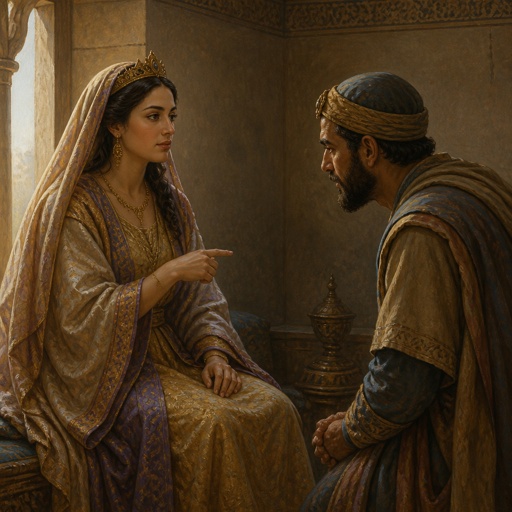
"¶ Again Esther spake unto Hatach, and gave him commandment unto Mordecai;" - Esther 4:10
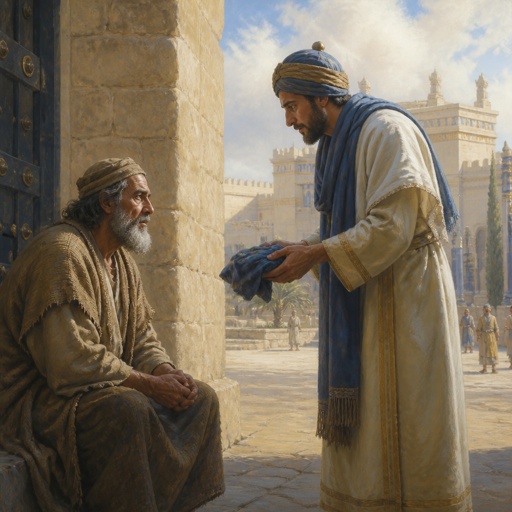
"And they told to Mordecai Esther's words." - Esther 4:12

Esther 5:2

Esther 5:2

Esther 2:11 - "And Mordecai walked every day before the court of the women's house, to know how Esther did, and what should become of her."

Esther 2:10 - "Esther had not shewed her people nor her kindred: for Mordecai had charged her that she should not shew it."

Esther 5:2 - "And it was so, when the king saw Esther the queen standing in the court, that she obtained favour in his sight: and the king held out to Esther the golden sceptre that was in his hand. So Esther drew near, and touched the top of the sceptre."

"And the thing was known to Mordecai, who told it unto Esther the queen; and Esther certified the king thereof in Mordecai's name." - Esther 2:22

Esther 2:16 - "So Esther was taken unto king Ahasuerus into his house royal in the tenth month, which is the month Tebeth, in the seventh year of his reign."