The Hidden Cost of Compromise
"If it please the king, let it be written that they may be destroyed: and I will pay ten thousand talents of silver to the hands of those that have the charge of the business, to bring it into the king's treasuries." - Esther 3:9
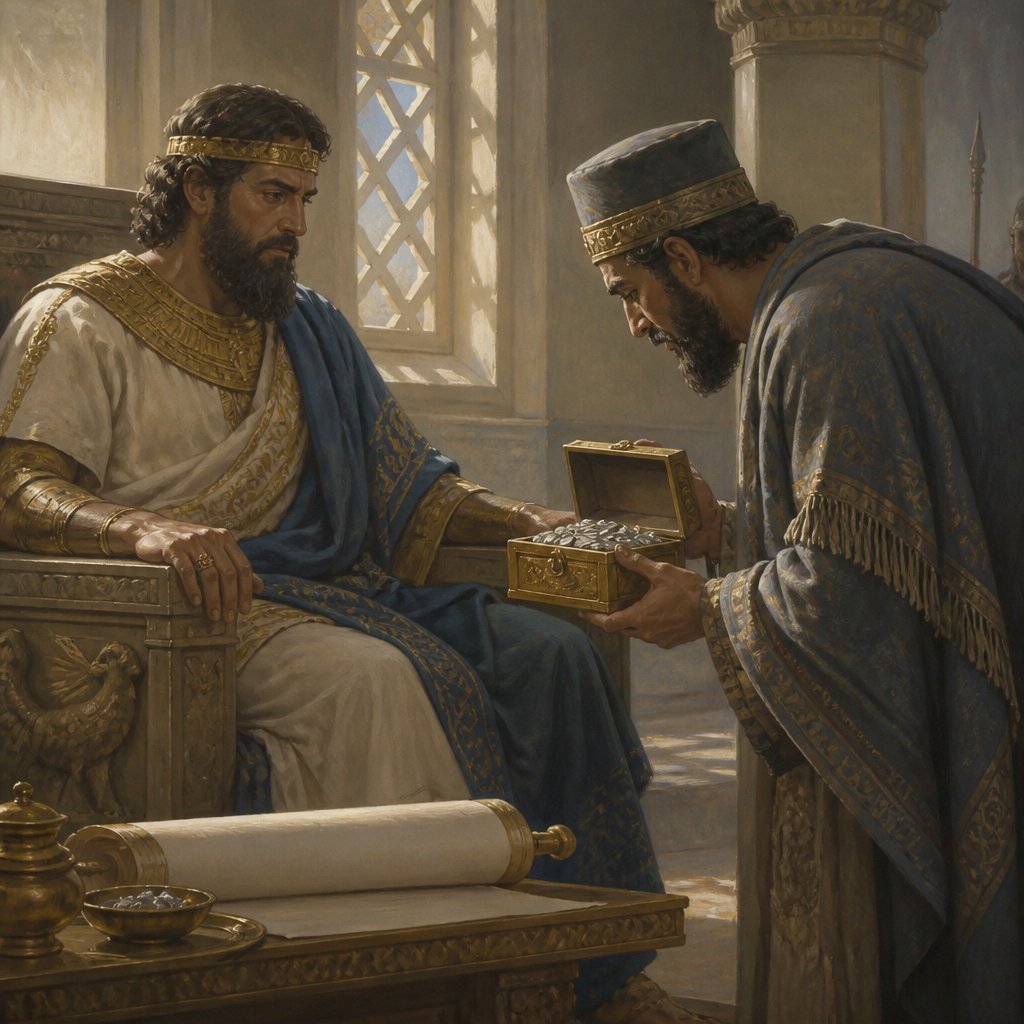
The story of Esther is rich with themes of bravery, loyalty, and divine providence. In Esther 3:9, we encounter a critical juncture in this narrative: **"If it please the king, let it be written that they may be destroyed: and I will pay ten thousand talents of silver to the hands of those that have the charge of the business, to bring it into the king's treasuries."** This verse, while it may seem like just a linear part of the plot, reveals profound truths about the depths of hatred, the nature of power, and the heavy price of standing against evil.
At the heart of this verse, we see the ambitions of Haman, a man who has risen to a position of power yet is consumed by hatred towards a single Jew: Mordecai. Haman’s proposal to the king reflects more than a personal vendetta; it signifies a devastating plot against an entire people. By offering ten thousand talents of silver, he illustrates the extent of his malice and the value he places on the destruction of the Jewish community. This amount, staggering even in today's terms, highlights the lengths to which one might go when fueled by contempt and envy.
As we read this passage, we are confronted with the question: what motivates our actions in positions of influence? Power can corrupt, leading individuals to pursue their desires at any cost. Haman wasn’t concerned about the moral implications of his deed; he was only fixated on his hatred for Mordecai and the Jewish people. This serves as a cautionary tale for all who hold positions of authority — that unchecked ambition, when twisted by judgment and misaligned views, can lead to catastrophic results.
Moreover, we can feel the tension of this moment seeping from the text. The king, so easily persuaded, becomes a pawn in Haman’s destructive game. This interaction reveals how leaders can often be swayed by those who serve them. One might ponder, **How many times have we too stood by, allowing malign influences to manipulate our decisions?** In this scenario, the danger of ignoring the silent cries of justice can lead an entire nation into chaos and destruction.
Let’s reflect on the ten thousand talents of silver mentioned. What might this symbolize in our own lives? Perhaps it signifies the investments we make — are we spending our time, energy, and resources to uplift and serve or to fulfill selfish ambitions? God asks us to turn our focus towards the benefit of His kingdom and to love our neighbors as ourselves. The allure of riches can be tempting, but as believers, we must weigh the cost against our integrity and divine calling.
Even in Haman's malicious planning, we see a glimpse of God’s sovereignty at work. Esther’s eventual rise to influence and her courage to stand up against Haman’s wicked schemes showcases that God always preserves a remnant for Himself. We can take comfort knowing that even amid threats and evil plots, God’s purposes will prevail. As it is written in Romans 8:28, **"And we know that all things work together for good to them that love God, to them who are the called according to his purpose.”**
In conclusion, Esther 3:9 serves as a stark reminder of the potentially destructive paths we tread when driven by hate and greed. It urges us to adopt a posture of vigilance in our pursuits and relationships, for such investments will ripple through time and affect those around us significantly. Let us strive to be people who, like Esther and Mordecai, courageously uphold truth and justice, even when the stakes are high. May we commit our actions to God, ensuring that our intentions align not just with ambition, but with righteousness, compassion, and divine purpose.
Want to reflect more on Esther 3:9?
Continue your spiritual journey with Bible Chat — an AI-powered tool for exploring God's Word through conversation. Ask questions, discover connections, and deepen your understanding.
Get Our Apps


Esther 3:9 Artwork
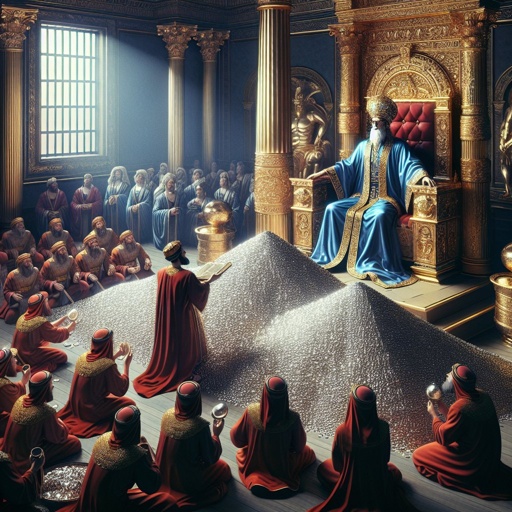
Esther 3:9 - "If it please the king, let it be written that they may be destroyed: and I will pay ten thousand talents of silver to the hands of those that have the charge of the business, to bring it into the king's treasuries."
"If it please the king, let it be written that they may be destroyed: and I will pay ten thousand talents of silver to the hands of those that have the charge of the business, to bring it into the king's treasuries." - Esther 3:9

Esther 9:3 - "And all the rulers of the provinces, and the lieutenants, and the deputies, and officers of the king, helped the Jews; because the fear of Mordecai fell upon them."

Esther 4:9 - "And Hatach came and told Esther the words of Mordecai."

Esther 9:32 - "And the decree of Esther confirmed these matters of Purim; and it was written in the book."

Esther 9:9 - "And Parmashta, and Arisai, and Aridai, and Vajezatha,"

Esther 9:29 - "Then Esther the queen, the daughter of Abihail, and Mordecai the Jew, wrote with all authority, to confirm this second letter of Purim."

"And Hatach came and told Esther the words of Mordecai." - Esther 4:9

Esther 9:8 - "And Poratha, and Adalia, and Aridatha,"

Esther 9:7 - "And Parshandatha, and Dalphon, and Aspatha,"

"And the decree of Esther confirmed these matters of Purim; and it was written in the book." - Esther 9:32
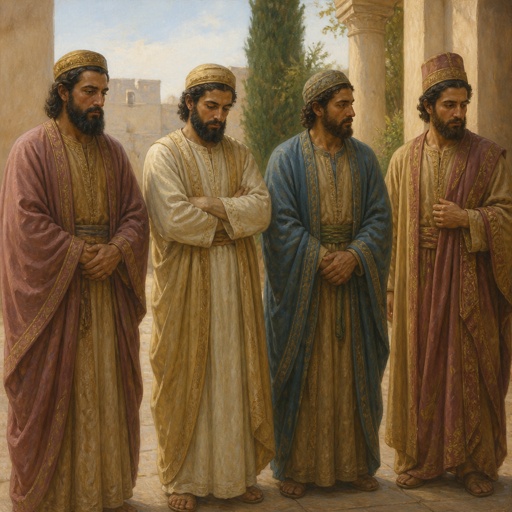
"And Parmashta, and Arisai, and Aridai, and Vajezatha," - Esther 9:9

Esther 5:3 - "Then said the king unto her, What wilt thou, queen Esther? and what is thy request? it shall be even given thee to the half of the kingdom."

Esther 9:31 - "To confirm these days of Purim in their times appointed, according as Mordecai the Jew and Esther the queen had enjoined them, and as they had decreed for themselves and for their seed, the matters of the fastings and their cry."

Esther 9:13 - "Then said Esther, If it please the king, let it be granted to the Jews which are in Shushan to do to morrow also according unto this day's decree, and let Haman's ten sons be hanged upon the gallows."
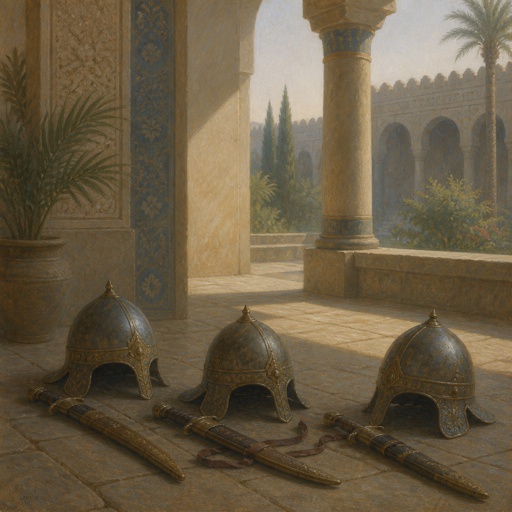
"And Parshandatha, and Dalphon, and Aspatha," - Esther 9:7
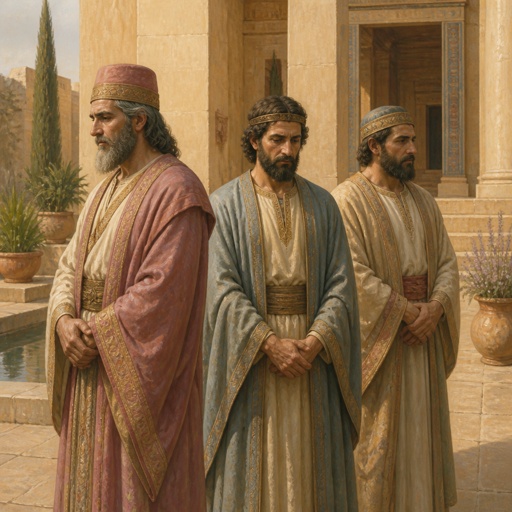
"And Poratha, and Adalia, and Aridatha," - Esther 9:8
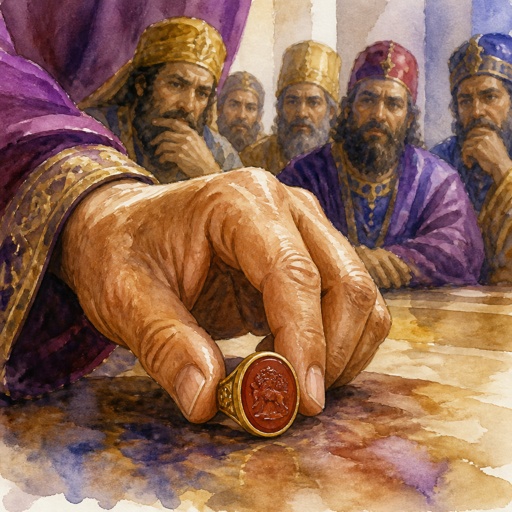
Esther 3:10 focus on ring

Esther 9:6 - "And in Shushan the palace the Jews slew and destroyed five hundred men."

Esther 3:3 - "Then the king's servants, which were in the king's gate, said unto Mordecai, Why transgressest thou the king's commandment?"
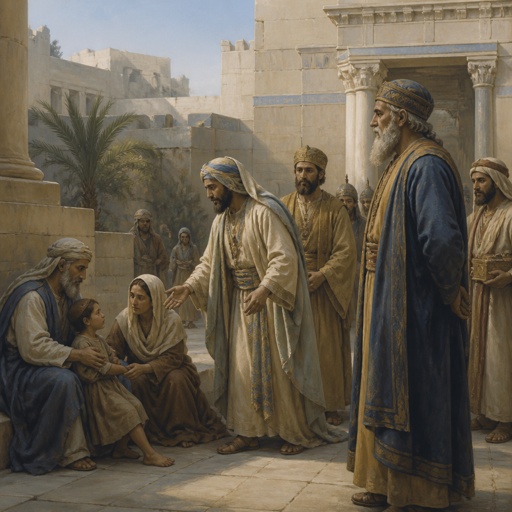
"And all the rulers of the provinces, and the lieutenants, and the deputies, and officers of the king, helped the Jews; because the fear of Mordecai fell upon them." - Esther 9:3

Esther 9:25 - "But when Esther came before the king, he commanded by letters that his wicked device, which he devised against the Jews, should return upon his own head, and that he and his sons should be hanged on the gallows."

Esther 8:3 - "¶ And Esther spake yet again before the king, and fell down at his feet, and besought him with tears to put away the mischief of Haman the Agagite, and his device that he had devised against the Jews."

Esther 9:11 - "On that day the number of those that were slain in Shushan the palace was brought before the king."

Esther 9:23 - "And the Jews undertook to do as they had begun, and as Mordecai had written unto them;"

Esther 9:10 - "The ten sons of Haman the son of Hammedatha, the enemy of the Jews, slew they; but on the spoil laid they not their hand."

"Then Esther the queen, the daughter of Abihail, and Mordecai the Jew, wrote with all authority, to confirm this second letter of Purim." - Esther 9:29

Esther 7:3 - "Then Esther the queen answered and said, If I have found favour in thy sight, O king, and if it please the king, let my life be given me at my petition, and my people at my request:"

Esther 9:17 - "On the thirteenth day of the month Adar; and on the fourteenth day of the same rested they, and made it a day of feasting and gladness."

Esther 1:9 - "Also Vashti the queen made a feast for the women in the royal house which belonged to king Ahasuerus."