The Dangers of Indulgence: Lessons from Esther 1:10
"¶ On the seventh day, when the heart of the king was merry with wine, he commanded Mehuman, Biztha, Harbona, Bigtha, and Abagtha, Zethar, and Carcas, the seven chamberlains that served in the presence of Ahasuerus the king," - Esther 1:10
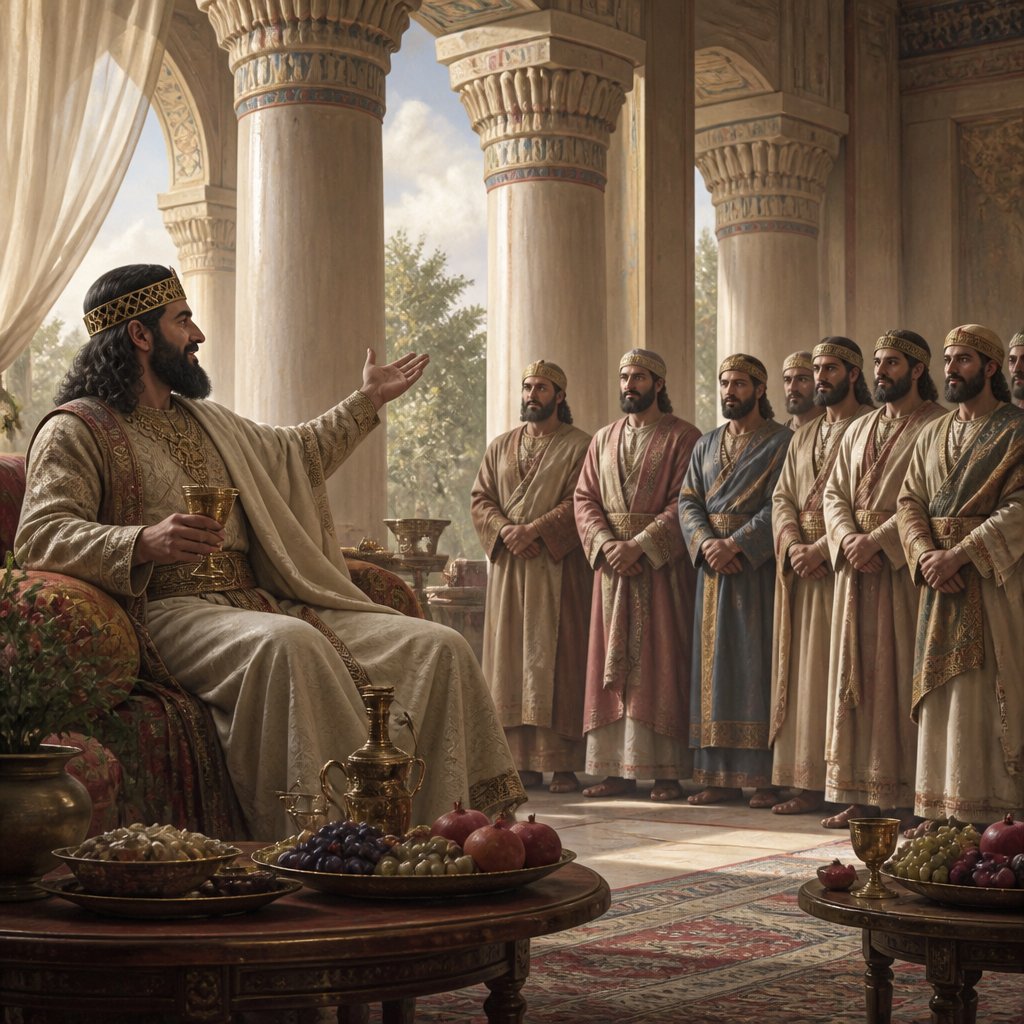
The book of Esther, which unfolds in the grand backdrop of the Persian Empire, offers profound insights into human nature, leadership, and the consequences of our actions. In Esther 1:10, we read: "On the seventh day, when the heart of the king was merry with wine, he commanded Mehuman, Biztha, Harbona, Bigtha, and Abagtha, Zethar, and Carcas, the seven chamberlains that served in the presence of Ahasuerus the king.” This verse not only reveals the immediate circumstances surrounding King Ahasuerus's actions but also invites us to reflect on the wider implications of indulgence and authority.
In the context of this verse, we find Ahasuerus, after a week of lavish feasting and drinking, feeling merry with wine. The phrase "merry with wine" suggests a state of intoxication where reason, composure, and sound judgment may be clouded. The king, surrounded by revelry, is perhaps not in the best position to make decisions. The indulgence of alcohol, which can lead to temporary joy, often comes at the price of clarity and control.
This moment serves as a cautionary tale. Throughout Scripture, we are warned about the dangers of excessive indulgence. Proverbs 20:1 states, "Wine is a mocker, strong drink is raging: and whosoever is deceived thereby is not wise.” Ahasuerus’s decision to call for the presence of his chamberlains, and later to summon Queen Vashti, is a direct result of the impaired judgment that comes from drunkenness. As followers of Christ, we must heed these warnings; indulgence can lead us away from God’s purpose and will for our lives.
Moreover, this event sets in motion a series of actions that have significant implications for God’s people. Ahasuerus's command leads to a rejection of Queen Vashti, which ultimately opens the door for Esther to rise to prominence. God uses this flawed situation for His purpose, reminding us that even our imperfections can serve His grand design if we remain faithful.
As we reflect on this verse, we also note the role of the seven chamberlains. These men serve closely in the presence of the king, yet they remain silent witnesses to his behavior. They represent those in our lives who observe our actions and decisions. Do we lead by example, demonstrating wisdom, restraint, and righteousness? Our influence can carry consequences that impact not only us but also those who look to us for guidance.
As Christians, our lives should mirror Christ, who is the ultimate model of righteousness. We are called to live above reproach and to be mindful of how our actions reflect His love and grace. Let us examine our indulgences—whether they be in substances, behaviors, or even attitudes. Do they cloud our judgment or draw us nearer to God?
Today, let us take a moment to consider our own “seventh days.” In what areas of our lives have we allowed indulgence to lead us astray? Are we allowing temporary pleasures to compromise our walk with God and our responsibilities to others? It is crucial to pause and seek God’s wisdom in all situations.
Ultimately, Esther 1:10 is a verse that calls us to mindful living: to avoid the pitfalls of unchecked indulgence, to recognize our influence on others, and to trust that even in our weakest moments, God can weave a tapestry of grace and purpose. Let us strive to remain vigilant, ensuring that our hearts—steadily anchored in Christ—remain merry not with fleeting pleasures, but with the eternal joy of His presence.
Want to reflect more on Esther 1:10?
Continue your spiritual journey with Bible Chat — an AI-powered tool for exploring God's Word through conversation. Ask questions, discover connections, and deepen your understanding.
Get Our Apps


Esther 1:10 Artwork
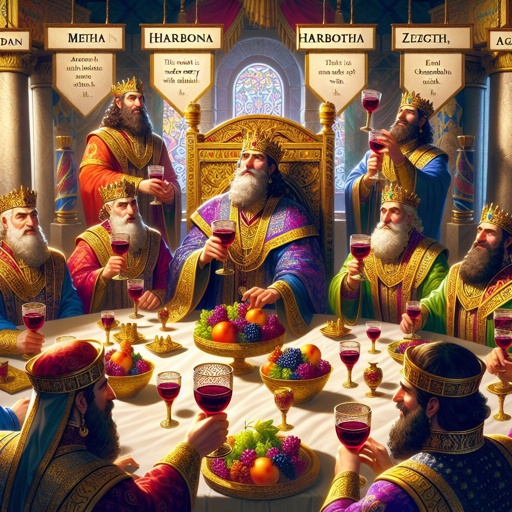
Esther 1:10 - "¶ On the seventh day, when the heart of the king was merry with wine, he commanded Mehuman, Biztha, Harbona, Bigtha, and Abagtha, Zethar, and Carcas, the seven chamberlains that served in the presence of Ahasuerus the king,"
"¶ On the seventh day, when the heart of the king was merry with wine, he commanded Mehuman, Biztha, Harbona, Bigtha, and Abagtha, Zethar, and Carcas, the seven chamberlains that served in the presence of Ahasuerus the king," - Esther 1:10

Esther 10:1 - "And the king Ahasuerus laid a tribute upon the land, and upon the isles of the sea."

Esther 4:10 - "¶ Again Esther spake unto Hatach, and gave him commandment unto Mordecai;"

Esther 2:10 - "Esther had not shewed her people nor her kindred: for Mordecai had charged her that she should not shew it."
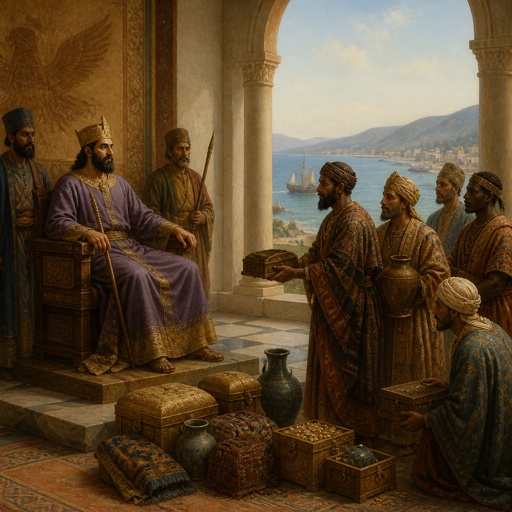
"And the king Ahasuerus laid a tribute upon the land, and upon the isles of the sea." - Esther 10:1
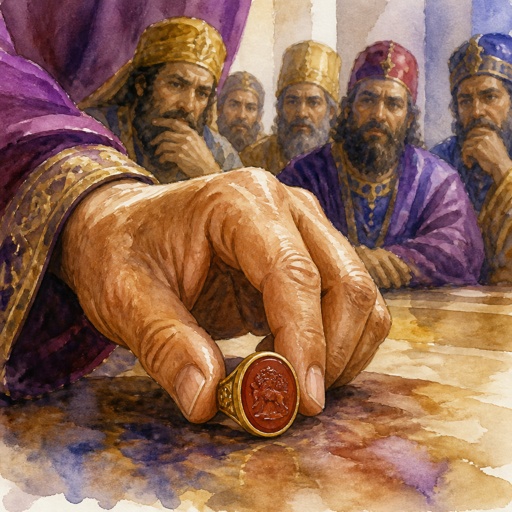
Esther 3:10 focus on ring

Esther 7:1 - "So the king and Haman came to banquet with Esther the queen."
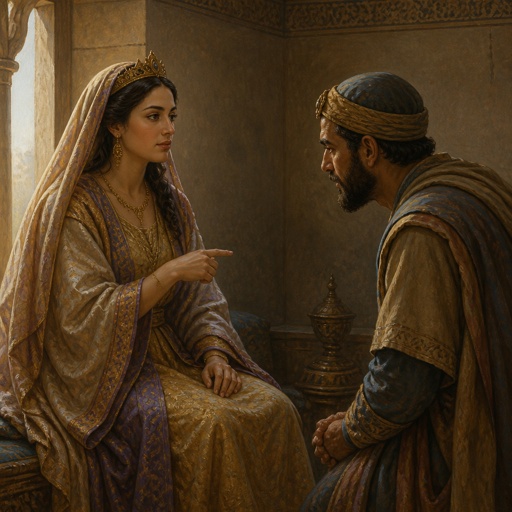
"¶ Again Esther spake unto Hatach, and gave him commandment unto Mordecai;" - Esther 4:10

Esther 1:17

Esther 8:1 - "On that day did the king Ahasuerus give the house of Haman the Jews' enemy unto Esther the queen. And Mordecai came before the king; for Esther had told what he was unto her."

Esther 9:10 - "The ten sons of Haman the son of Hammedatha, the enemy of the Jews, slew they; but on the spoil laid they not their hand."

Esther 1:6

Esther, the courageous queen

"So the king and Haman came to banquet with Esther the queen." - Esther 7:1

Esther 7:10 - "So they hanged Haman on the gallows that he had prepared for Mordecai. Then was the king's wrath pacified."
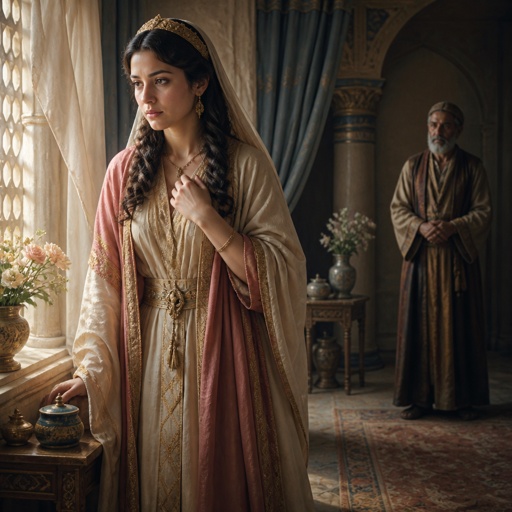
"Esther had not shewed her people nor her kindred: for Mordecai had charged her that she should not shew it." - Esther 2:10

Esther 5:10 - "Nevertheless Haman refrained himself: and when he came home, he sent and called for his friends, and Zeresh his wife."

Esther 3:10 - "And the king took his ring from his hand, and gave it unto Haman the son of Hammedatha the Agagite, the Jews' enemy."

Esther 8:10 - "And he wrote in the king Ahasuerus' name, and sealed it with the king's ring, and sent letters by posts on horseback, and riders on mules, camels, and young dromedaries:"

Esther 10:2 - "And all the acts of his power and of his might, and the declaration of the greatness of Mordecai, whereunto the king advanced him, are they not written in the book of the chronicles of the kings of Media and Persia?"
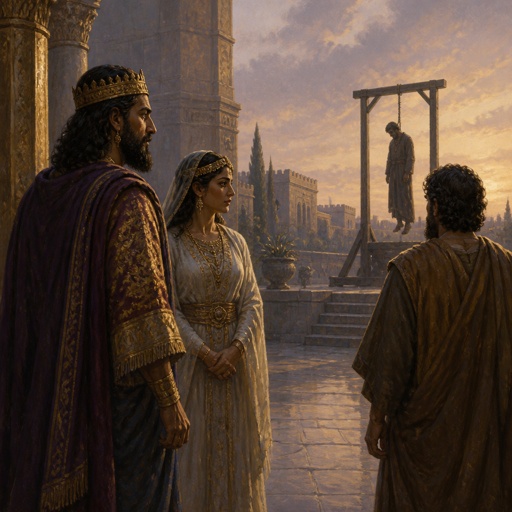
"So they hanged Haman on the gallows that he had prepared for Mordecai. Then was the king's wrath pacified." - Esther 7:10

Esther 1:21 - "And the saying pleased the king and the princes; and the king did according to the word of Memucan:"

"On that day did the king Ahasuerus give the house of Haman the Jews' enemy unto Esther the queen. And Mordecai came before the king; for Esther had told what he was unto her." - Esther 8:1

Esther 5:1 - "Now it came to pass on the third day, that Esther put on her royal apparel, and stood in the inner court of the king's house, over against the king's house: and the king sat upon his royal throne in the royal house, over against the gate of the house."

Esther 10:3 - "For Mordecai the Jew was next unto king Ahasuerus, and great among the Jews, and accepted of the multitude of his brethren, seeking the wealth of his people, and speaking peace to all his seed."

Esther 1:2 - "That in those days, when the king Ahasuerus sat on the throne of his kingdom, which was in Shushan the palace,"

Esther 1:9 - "Also Vashti the queen made a feast for the women in the royal house which belonged to king Ahasuerus."

Esther 1:1 - "Now it came to pass in the days of Ahasuerus, (this is Ahasuerus which reigned, from India even unto Ethiopia, over an hundred and seven and twenty provinces:)"

Esther 6:1 - "On that night could not the king sleep, and he commanded to bring the book of records of the chronicles; and they were read before the king."