From Wrath to Redemption: Embracing Our Identity in Christ
"Among whom also we all had our conversation in times past in the lusts of our flesh, fulfilling the desires of the flesh and of the mind; and were by nature the children of wrath, even as others." - Ephesians 2:3
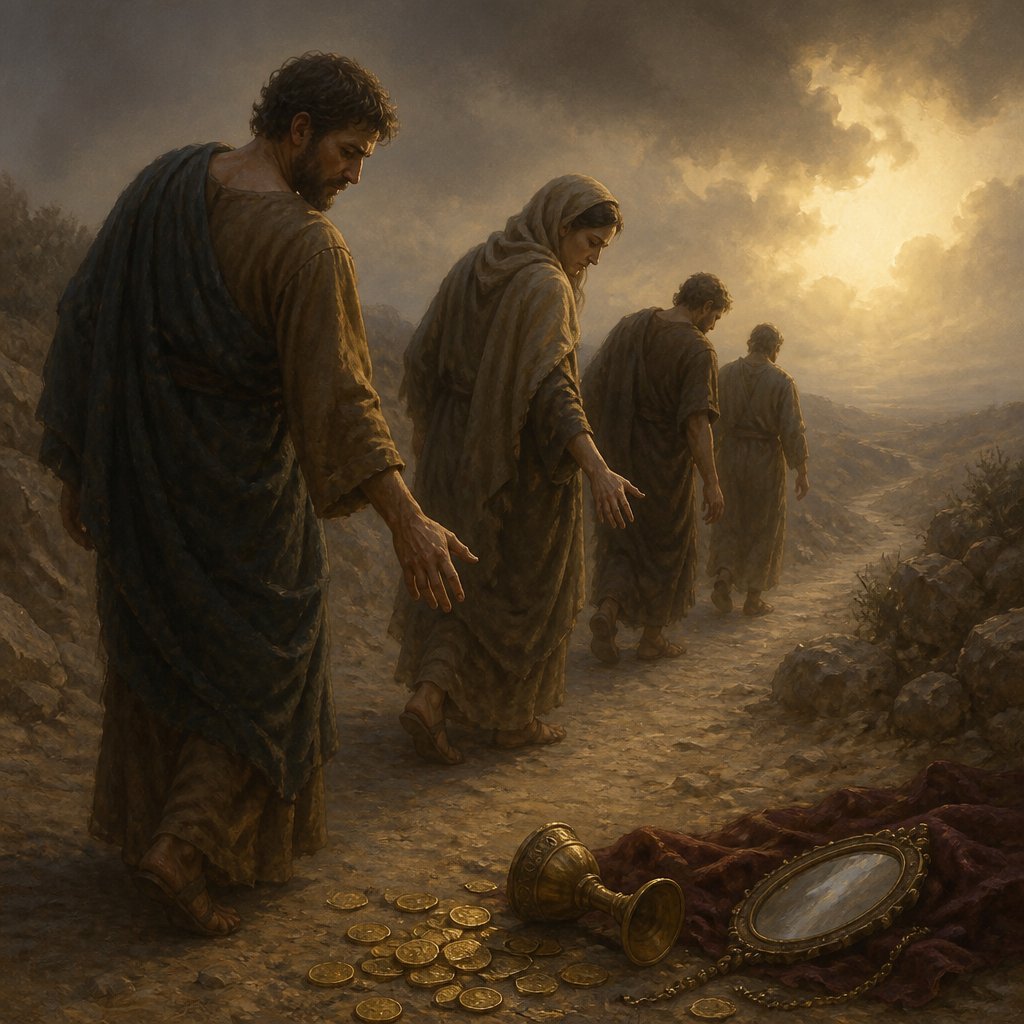
Ephesians 2:3 reminds us of the stark reality of our former lives without Christ: "Among whom also we all had our conversation in times past in the lusts of our flesh, fulfilling the desires of the flesh and of the mind; and were by nature the children of wrath, even as others." This verse encapsulates the universal condition of humanity apart from God's grace and paints a vivid picture of our spiritual state before accepting Christ.
To understand the depth of this scripture, let’s break down its components. The phrase "we all had our conversation in times past" speaks to our past way of life — our behaviors, our thoughts, and our social interactions were once dominated by the lusts of our flesh. "Conversation" here is not merely about spoken words but encapsulates our entire conduct, our character, and our way of relating to the world.
The "lusts of our flesh" points to the innate desires that pull us away from God, desires that are often contrary to His will. These could manifest as pride, indulgence, anger, or sensuality. This desire becomes all-consuming, often overshadowing the clarity of spiritual truths. Paul emphasizes that by fulfilling these desires, we were not merely passive participants but active pursuers of what gratified our senses and ego. In this active pursuit, we created a barrier between ourselves and the holiness of God.
The phrase "and of the mind" extends this understanding into our thoughts and intellect. Not only do our physical actions reflect our sinful nature, but our mental patterns, our inner dialogues, and our justifications for sin further entrench us in a state of separation from God. We find ourselves rationalizing sinful behavior, convincing ourselves that what we desire is warranted or harmless. This thinking leads to a life characterized by self-centeredness rather than God-centeredness, distancing us from the divine purpose for which we were created.
Paul continues, noting that we were "by nature the children of wrath." This stark declaration reveals our default setting: the children of wrath. It is a sobering truth to understand that without the intervention of God, we are not merely neutral beings but play a role in opposing His goodness. This imagery evokes the idea that God’s righteous anger is directed toward sin, and we, in our disobedience, fall into that category. We cannot merely ignore our past or wish our sins away; we must confront the reality of our previous choices and their consequences.
Yet, this reflection of who we were is not meant to lead us into despair but to foster a deeper appreciation for the grace and mercy found in Jesus Christ. It lays the groundwork for understanding our transformation, which is outlined in the subsequent verses of Ephesians. Paul meticulously contrasts our past nature with the glorious reality of being made alive in Christ.
In grappling with Ephesians 2:3, we gain a powerful perspective on the nature of grace. Our dire condition magnifies the beauty of God’s redemptive work. He did not leave us in our state of wrath but offered us a pathway to reconciliation through Christ—thus ensuring that even the darkest chapters of our lives can lead into powerful testimonies of His grace.
As we meditate on this verse, let us not shy away from confronting the truth of our past; rather, embrace it as part of our testimony. Acknowledging the depth of our depravity magnifies the extent of God’s mercy. Let us marvel daily at our identity in Christ, recognizing that from wrath, we have been brought into a relationship with love, acceptance, and fulfillment in Him.
In conclusion, while Ephesians 2:3 paints a grim picture of our former lives, it concurrently serves as a magnificent reminder of the hope we have in our identity as children of God. Embrace this truth, reflecting on how far you have come, and be encouraged to extend grace to others who are still caught in the snares of their flesh.
Want to reflect more on Ephesians 2:3?
Continue your spiritual journey with Bible Chat — an AI-powered tool for exploring God's Word through conversation. Ask questions, discover connections, and deepen your understanding.
Get Our Apps


Ephesians 2:3 Artwork

Ephesians 2:3 - "Among whom also we all had our conversation in times past in the lusts of our flesh, fulfilling the desires of the flesh and of the mind; and were by nature the children of wrath, even as others."
"Among whom also we all had our conversation in times past in the lusts of our flesh, fulfilling the desires of the flesh and of the mind; and were by nature the children of wrath, even as others." - Ephesians 2:3

Ephesians 3:2 - "If ye have heard of the dispensation of the grace of God which is given me to you-ward:"

Ephesians 3

Ephesians 3

Ephesians 4:2-3 - "Be completely humble and gentle; be patient, bearing with one another in love. Make every effort to keep the unity of the Spirit through the bond of peace."

Ephesians 1:3

Ephesians 6:2-3 - "Honor your father and mother—which is the first commandment with a promise— so that it may go well with you and that you may enjoy long life on the earth."

"If ye have heard of the dispensation of the grace of God which is given me to you-ward:" - Ephesians 3:2

Ephesians 3:15 - "Of whom the whole family in heaven and earth is named,"

Ephesians 4:3 - "Endeavouring to keep the unity of the Spirit in the bond of peace."

Ephesians 3:3 - "How that by revelation he made known unto me the mystery; (as I wrote afore in few words,"

Ephesians 2:8

Ephesians 2:22

Ephesians 2:22

Ephesians 2:22

Ephesians 2:22

Ephesians 2:10

Ephesians 2:22

Ephesians 2:22

Ephesians 2:10

Ephesians 2-10

Ephesians 2:10

Ephesians 2:22

Ephesians 2:22

Ephesians 2:22

Ephesians 2:10

Ephesians 6:3 - "That it may be well with thee, and thou mayest live long on the earth."

Ephesians 3:1 - "For this cause I Paul, the prisoner of Jesus Christ for you Gentiles,"

Ephesians 3:12 - "In whom we have boldness and access with confidence by the faith of him."